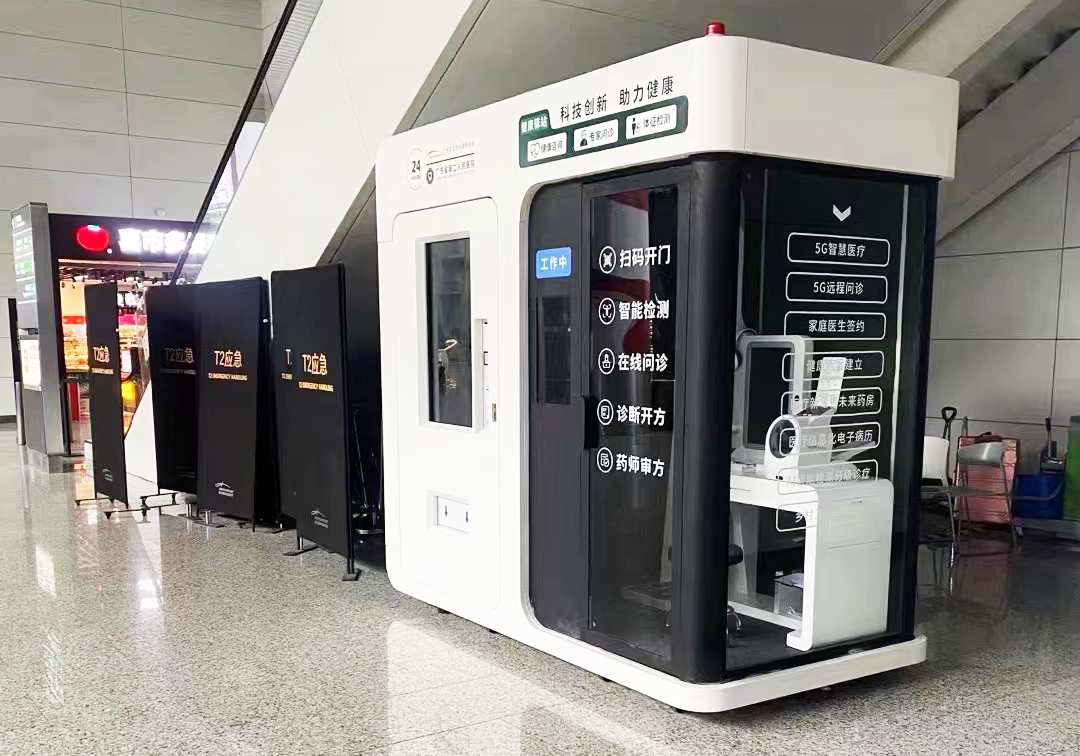
Driven by the dual forces of surging preventive healthcare demand and the wave of medical automation, health check stations are transforming from equipment exclusive to medical institutions into standard features in corporate, community, and retail settings. For investors, corporate health management leaders, and medical institution administrators, understanding the investment costs and profit logic of a health check station is a crucial step in seizing opportunities in the blue ocean market of preventive medicine.
I. Where Do Costs and Profits Come From?
1. Market Size and Growth Potential
According to Research Nester data, the global medical kiosk market size in 2025 was approximately $1.63 billion, and it is expected to exceed $6.77 billion by 2035, with a compound annual growth rate as high as 15.3% from 2026 to 2035. The market size for 2026 is estimated at $1.85 billion. This growth rate far exceeds that of the traditional medical equipment market, demonstrating strong demand for preventive healthcare.
The third-party health check-up center market is also growing rapidly. According to 360iResearch data, the global third-party health check-up center market size was $3.10 billion in 2025, projected to increase to $3.38 billion in 2026, and reach $5.85 billion by 2032, with a compound annual growth rate of 9.47% .
2. In-Depth Breakdown of Cost Structure
Investing in a health check station requires a comprehensive understanding of the cost components:
-
Equipment Cost: Basic health kiosks (blood pressure, weight, BMI) range from $5,000 to $8,000; mid-range configurations (+ blood oxygen, temperature) range from $8,000 to $15,000; advanced configurations (+ blood glucose, ECG, telemedicine) range from $15,000 to $30,000.
-
Site and Installation Costs: This includes site rental (typically 10%-20% revenue share or fixed monthly rent), power and network upgrades, and equipment installation and commissioning fees.
-
Operation and Maintenance Costs: Includes software updates, equipment calibration, consumable replacement (e.g., printer paper, sanitizing supplies), and remote monitoring service fees.
-
Compliance and Certification Costs: Medical devices must comply with ISO calibration standards or CE certification, as well as local data protection regulations.
II. Prime Placement Locations: Go Where the People Are
"Location" is a critical factor determining the return on investment for a health check station. According to academic research, optimized site selection can reduce average travel distance by 33% and improve service accessibility by 14% .
Analysis of Key Locations
Hospitals and Medical Institutions: Accounting for over 40% of the medical kiosk market, this is the largest application scenario. Placing health check stations in hospital lobbies and waiting areas can triage basic testing needs, reduce the burden on medical staff, while enabling automatic data archiving through electronic health record (EHR) integration.
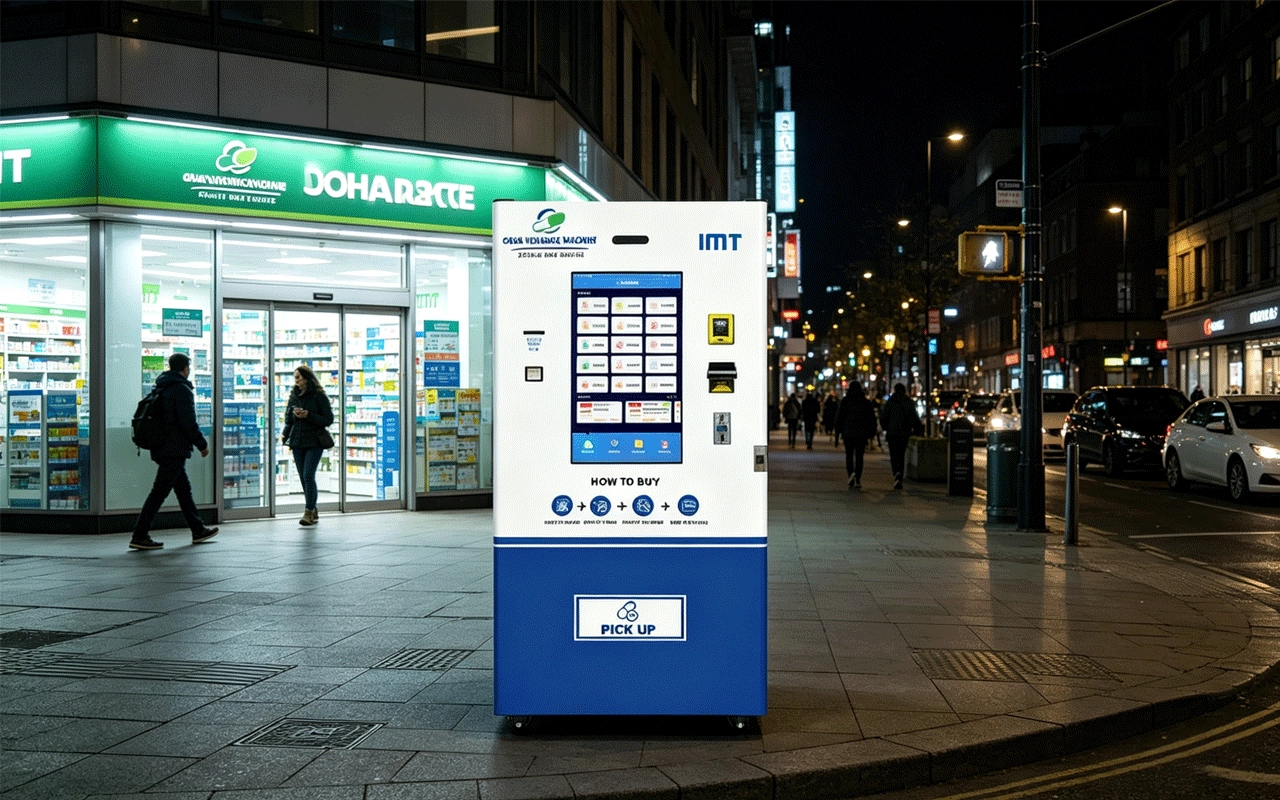
Retail Pharmacies and Supermarkets: Over 50% of large pharmacy chains have adopted self-service health check solutions. Setting up a health check station at the pharmacy entrance extends service hours and can prompt customers to purchase related medications or health products based on test results, forming a "screening-advice-consumption" closed-loop.
Corporate Offices and Business Centers: Corporate wellness programs have driven a 30% increase in the installation of smart health kiosks. Employees can check indicators like blood pressure and blood sugar at any time, enabling early detection of health risks. Similar to the placement logic for a protein shake vending machine, corporate health stations need to match common employee health needs – hypertension screening, stress assessment, weight management, etc.
Community Centers and Public Places: Harris County deployed health check stations in senior centers and government office areas, reaching 10,800 first-time users within a year, 20% of whom were first-time testers. Research Nester data shows that 28% of Millennials and Gen Z consumers are willing to use self-service health check devices in their communities.
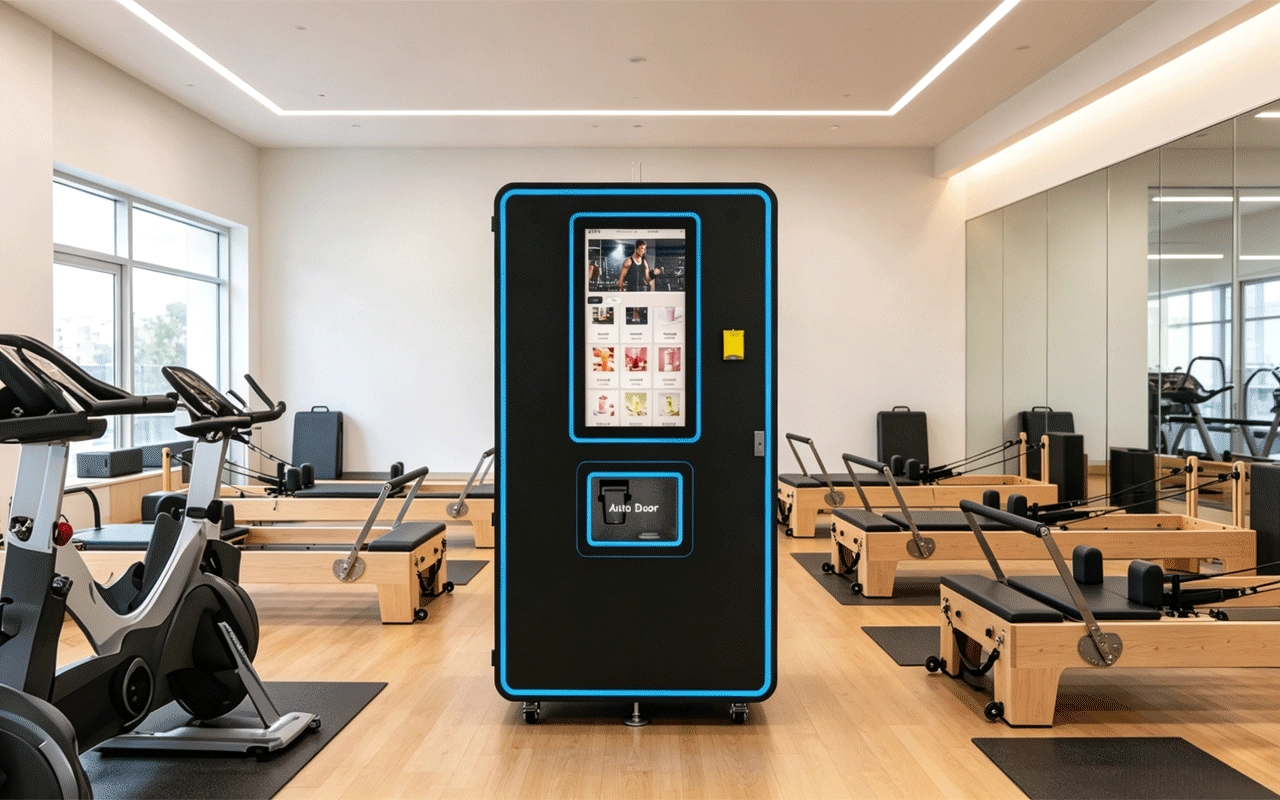
University Campuses: The student population has a stable demand for convenient health checks. Placing health check stations in libraries, student centers, or gyms can serve health monitoring needs related to late-night studying or pre/post-exercise.
Transportation Hubs: Locations like airports and train stations have high passenger flow. Installing health check stations provides convenient public services and can collect public health data. Data from the Singapore Tourism Board indicates that health check kiosks in transportation hubs increase traveler health awareness by 24% .
III. Product Selection: How to Configure a Health Check Station?
The product selection for a health check station should be based on the target population's needs and site conditions:
Basic
-
Blood Pressure Monitoring: Upper-arm blood pressure monitor compliant with ISO calibration standards.
-
Weight and BMI: Medical-grade scale with automatic BMI calculation.
-
Blood Oxygen Saturation: Fingertip pulse oximeter probe.
-
Temperature Measurement: Non-contact infrared thermometer.
Advanced
-
Blood Glucose Testing: Test strip-based or non-invasive glucose meter .
-
Electrocardiogram (ECG) : Single-lead or multi-lead resting ECG.
-
Lung Function: Peak flow meter or simple spirometry test.
-
Body Composition Analysis: Bioelectrical impedance analysis (BIA) body fat monitor.
User Experience Configuration
-
Multilingual Interface: The Tamil Nadu case study showed that 80% of elderly users found the device easier to use due to multilingual support .
-
Voice Navigation: Assists users with visual impairments or literacy difficulties.
-
Telemedicine Integration: Supports automatic triggering of remote doctor consultations for abnormal results.
-
Data Connectivity: Integration with Electronic Health Records (EHR) or health management platforms.
Core Technical Requirements
-
Sensors must be clinically validated for measurement accuracy.
-
Support HL7/FHIR standards for seamless integration with hospital information systems.
-
Equipped with remote monitoring functionality, with 52% of suppliers having introduced remote inventory monitoring systems.
IV. Risk Elimination: Avoiding Common Investment Pitfalls
While the market has broad prospects, blindly entering it may lead to losses. Here are key risks to watch for and corresponding countermeasures.
Risk 1: Unreliable Equipment Quality
Hidden Danger: Cheap equipment may provide inaccurate measurements or frequently malfunction, leading to user attrition and soaring maintenance costs.
Countermeasure: Choose brands with ISO or CE certification, focusing on clinical validation data for sensors and remote monitoring capabilities. Consider purchasing 1-2 sample machines for testing before bulk purchasing to verify measurement accuracy and user experience.
Risk 2: Ignoring Site Traffic Quality
Hidden Danger: High foot traffic does not always translate into effective user testing. According to Research Nester, high investment and maintenance costs are among the primary market challenges.
Countermeasure: Conduct on-site inspections before signing contracts to assess the target population's health awareness and testing needs. Use the formula "foot traffic × target demographic ratio × conversion rate" to estimate daily testing volume.
Risk 3: Data Security and Privacy Risks
Hidden Danger: Medical kiosks can be targets for data breaches. Research Nester notes that growing data security and privacy concerns are major market obstacles .
Countermeasure: Choose equipment with advanced encryption technology and compliance with HIPAA/GDPR standards. Establish strict data access controls and conduct regular security assessments.
Risk 4: Poor Supply Chain and Consumable Management
Hidden Danger: Stockouts of consumables like glucose test strips or printer paper can render the device unusable, or expired items can lead to waste.
Countermeasure: Use IoT systems to set inventory warning levels, cooperate with multiple suppliers, and establish standardized restocking procedures.
Risk 5: Compliance and Certification Risks
Hidden Danger: Different regions have specific regulatory requirements for medical devices. Neglecting compliance can lead to fines or forced removal.
Countermeasure: Understand local medical device regulatory requirements in advance, ensure equipment meets ISO, FDA, CE, or other relevant certification standards, and conduct regular compliance checks.
References:
-
Research Nester. (2025). Medical Kiosk Market Outlook: Size, Share, Growth Insights, and Forecast to 2035
-
360iResearch via GII Research. (2026). Third-party Health Check-up Center Market - Global Forecast 2026-2032
-
Sonka Medical. (2026). Health Checkup Kiosk for Community Health Centers: A Case Study
-
International Journal of Health Geographics. (2025). Designing a clustering algorithm for optimizing health station locations
-
QY Research. (2026). Third-party Health Check-up Center - Global Market Share and Ranking, Overall Sales and Demand Forecast 2026-2032




IMT vending Machine
IMT vending Machine
IMT Vending Machine