
Are Protein Shake Vending Machines Profitable? | IMT Guide
Are protein shake vending machines profitable in 2026? This comprehensive B2B guide analyzes profit margins, prime locations, operational strategies, industry trends, and risk factors. Backed by industry data, learn how to maximize ROI on smart vending machines for gyms, offices, and high-traffic locations.
- I. Core Influencing Factors: Where Does the Profit Come From?
- 1. Profit Margin Baseline
- 2. Cost Structure
- II. Prime Placement Locations: Go Where the People Are
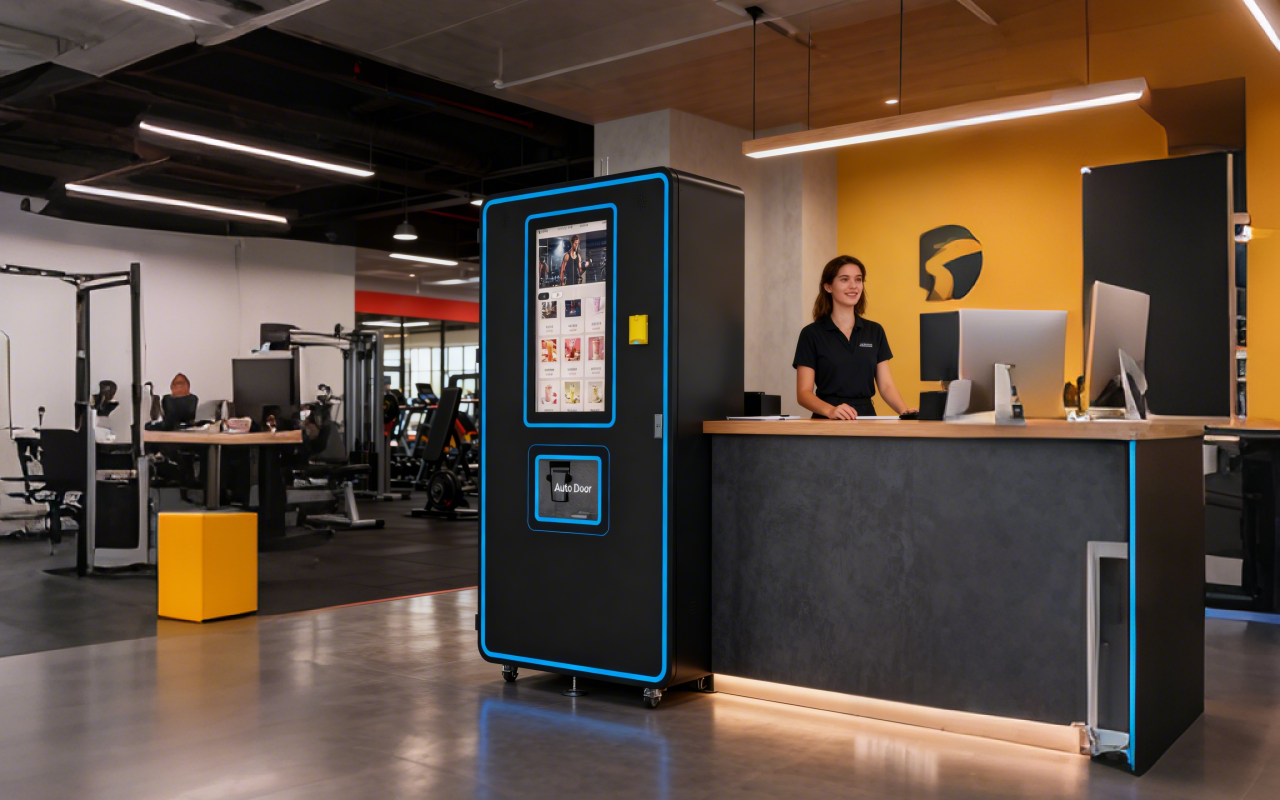
- Gyms and Fitness Centers
- Corporate Offices and Business Centers
- Colleges and Universities
- Healthcare and Industrial Facilities
- III. Refined Operational Suggestions: Bringing the Machine to "Life"
- 1. Product Customization and Data-Driven Decisions
- 2. Enhancing User Experience with Technology
- 3. Hygiene and Maintenance
- IV. Industry Trends: Standing at the Forefront in 2026
- 1. The Health Craze
- 2. Deep Integration of AI and IoT
- 3. The Rise of Micro-Markets
- V. Risk Elimination: Avoiding Common Investment Pitfalls
- Risk 1: Blindly Chasing Low-Cost Equipment
- Risk 2: Ignoring Site Traffic Quality
- Risk 3: Supply Chain Disruption
- Risk 4: Excessively High Commissions Eroding Profits
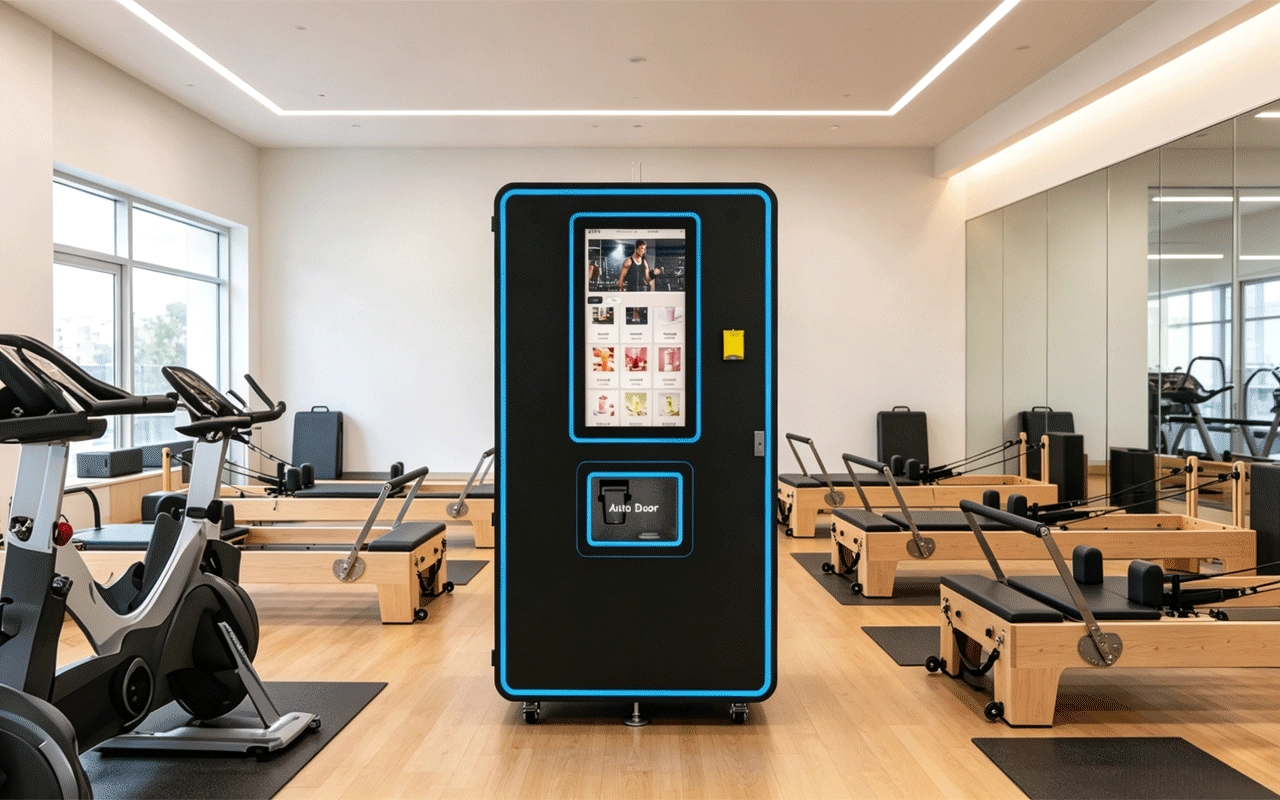
Protein Shake Vending Machine for Sale: Compare 3 Best Models for Gyms & Offices (2026 B2B Factory Prices)
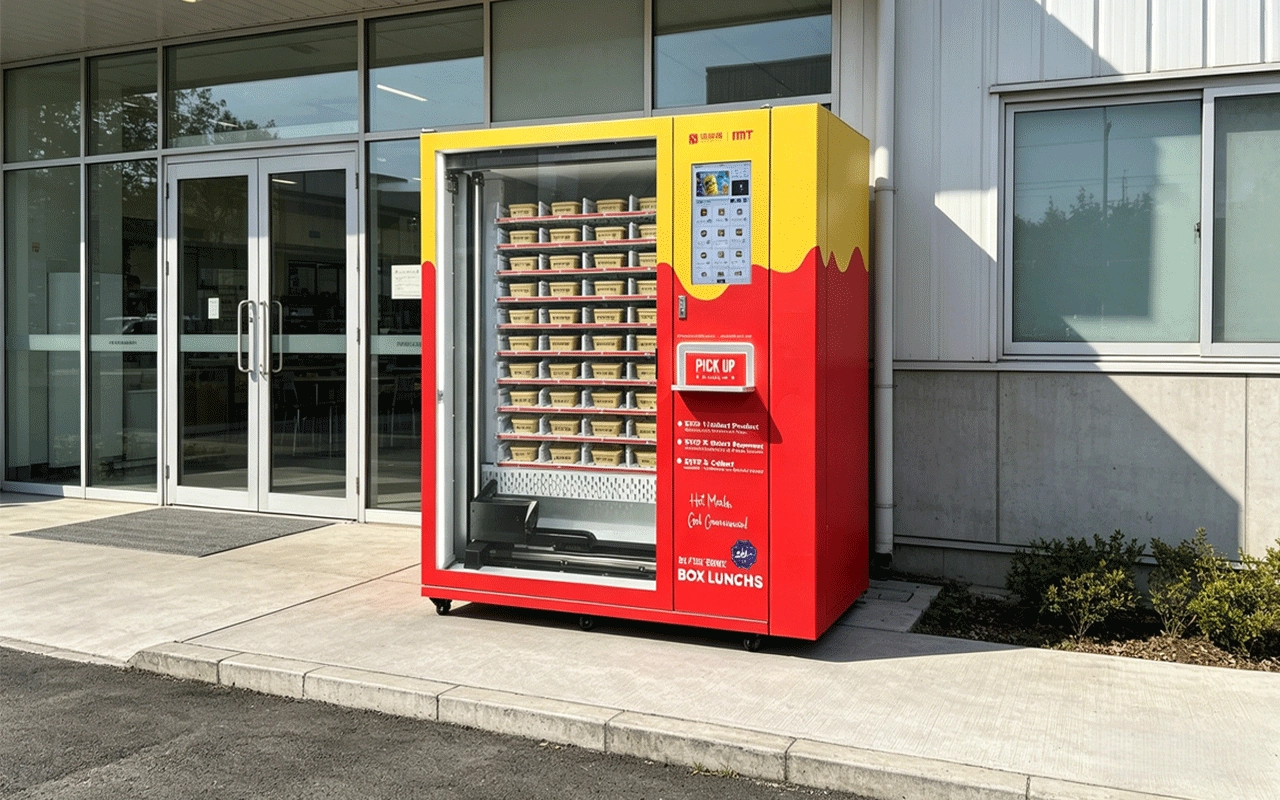
Hot Vending Machine for Sale: Compare 3 Best Hot Meal Vending Machine Models for Your Business (2026 B2B Price)
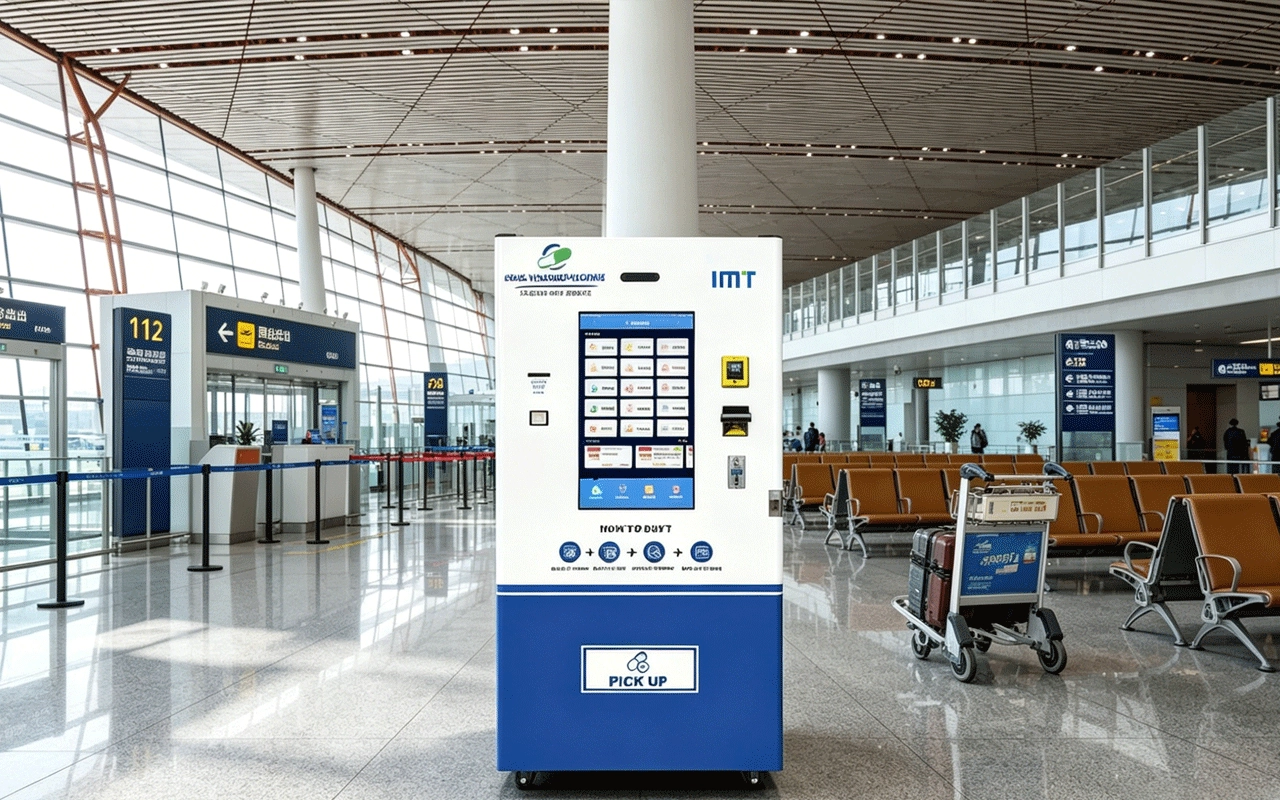
OTC Medication Vending Machine Business: Profit Margins, Costs, and 12-Month ROI Projections
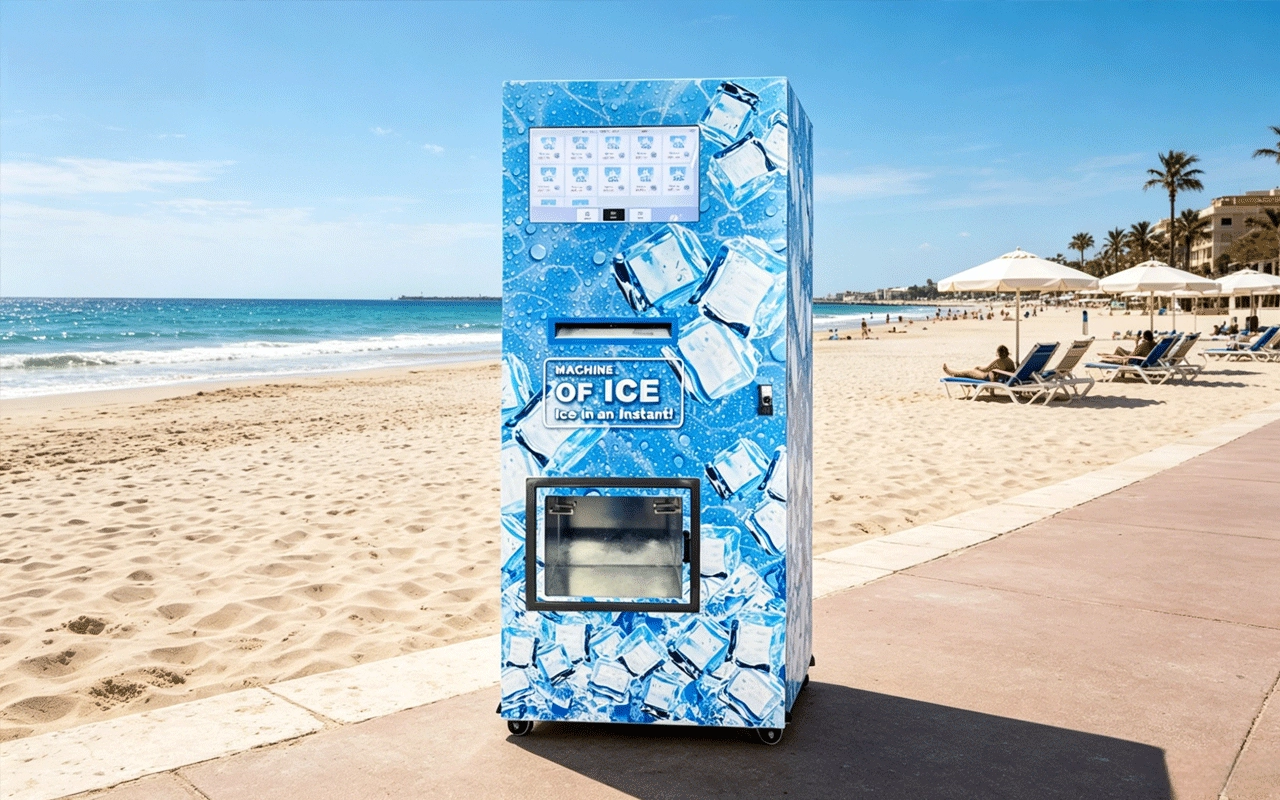
The Ultimate Guide to Ice Vending Machines: Start Your Automatic Ice Vending Machine Business
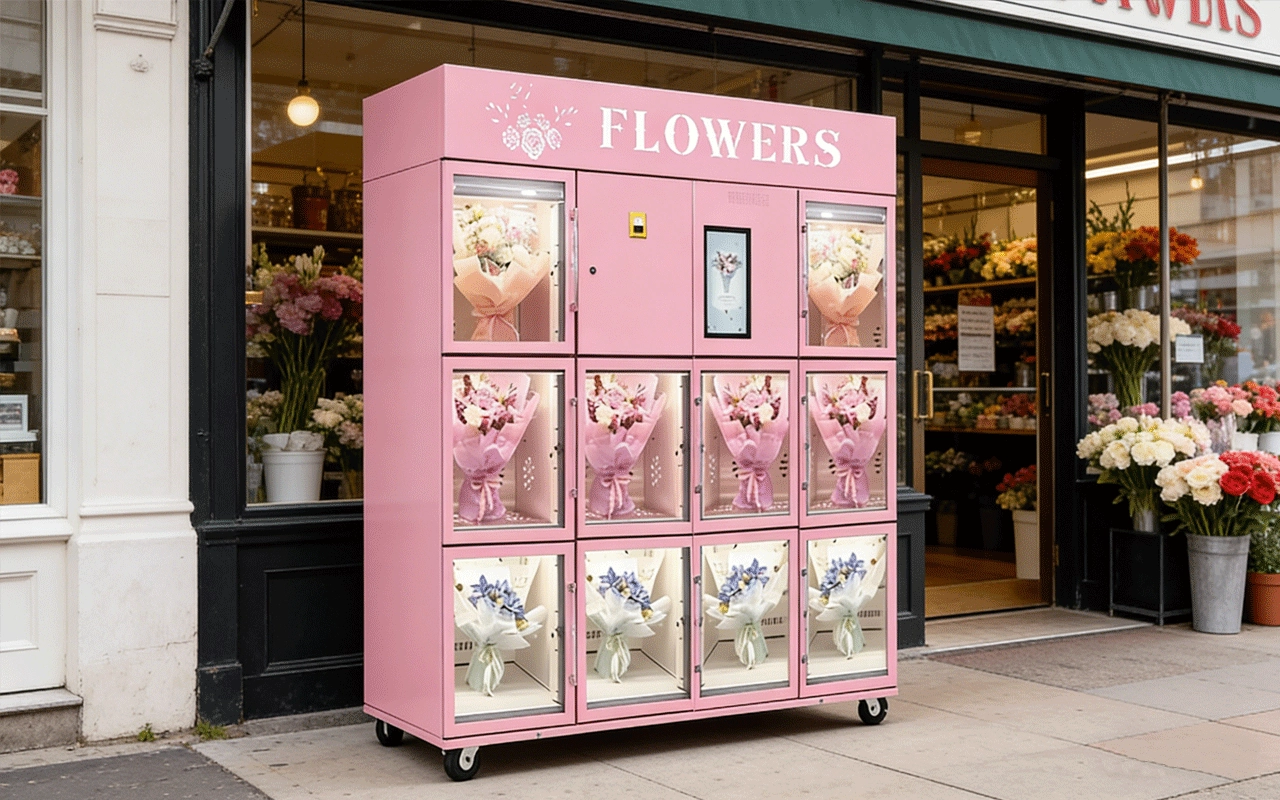
The Ultimate Guide to Flower Vending Machines: A 24/7 Automated Florist Business
For Factory
Where is your factory?
We are located in Guangzhou City, Guangdong Province.Warmly welcome to visit us.
What is the life time of your Vending Machine?
15 years at least.
What is the brand of compressor used in refrigerated vending machines?
We use Embraco,imported from Brazil.
How about the warranty and after-sales services?
The product is guaranteed up to one year from purchased.We have professional after-sales team,About technical problem,our after-sales engineer will reply within 12 hours.
What shall l do if the machine has some problems?
(1) Our engineer will support by video call.
(2) We have operation videos, basic trouble shooting videos so that you can solve it in time.
Learn More About Our Vending Machines
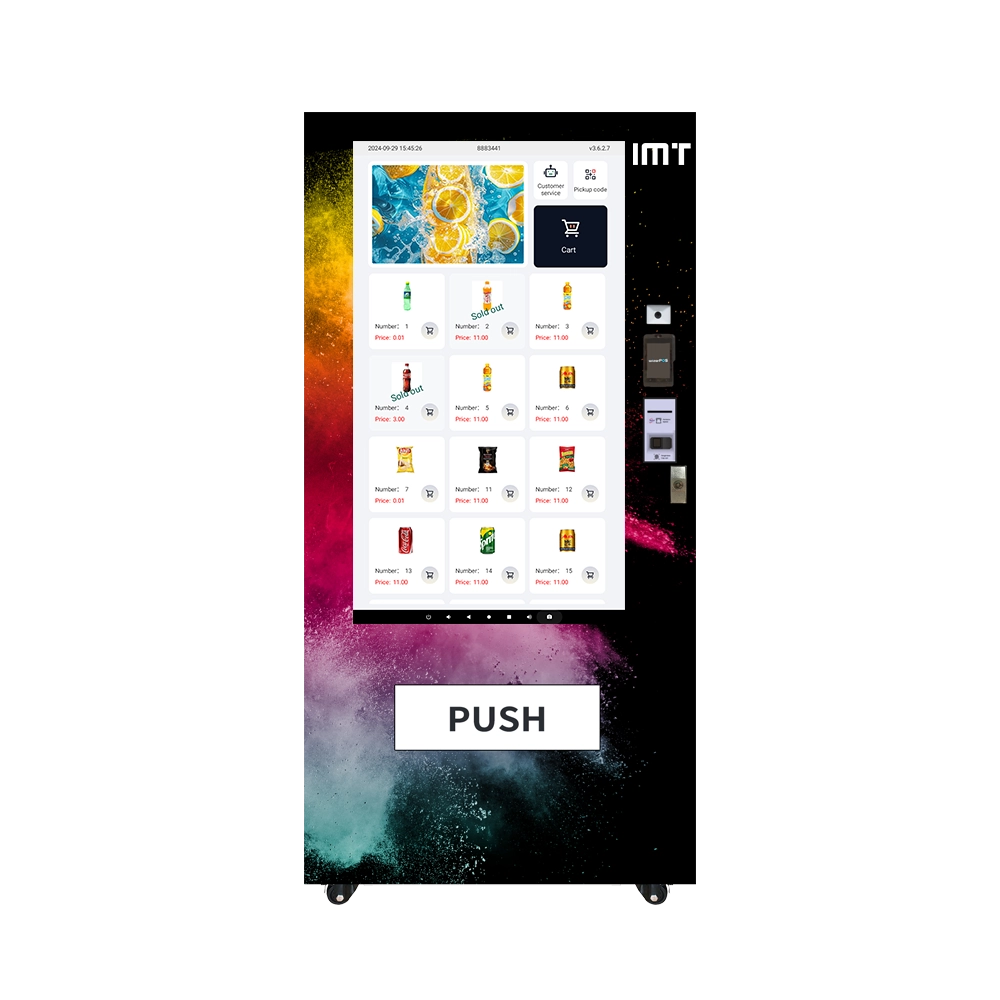
Discover the IMT 60-Slot 55-inch Screen Vending Machine for refrigerated drinks and snacks. Perfect for businesses, this machine keeps products chilled and visible on its large interactive screen. Available for sale now, it's your ultimate solution for convenience and efficiency.
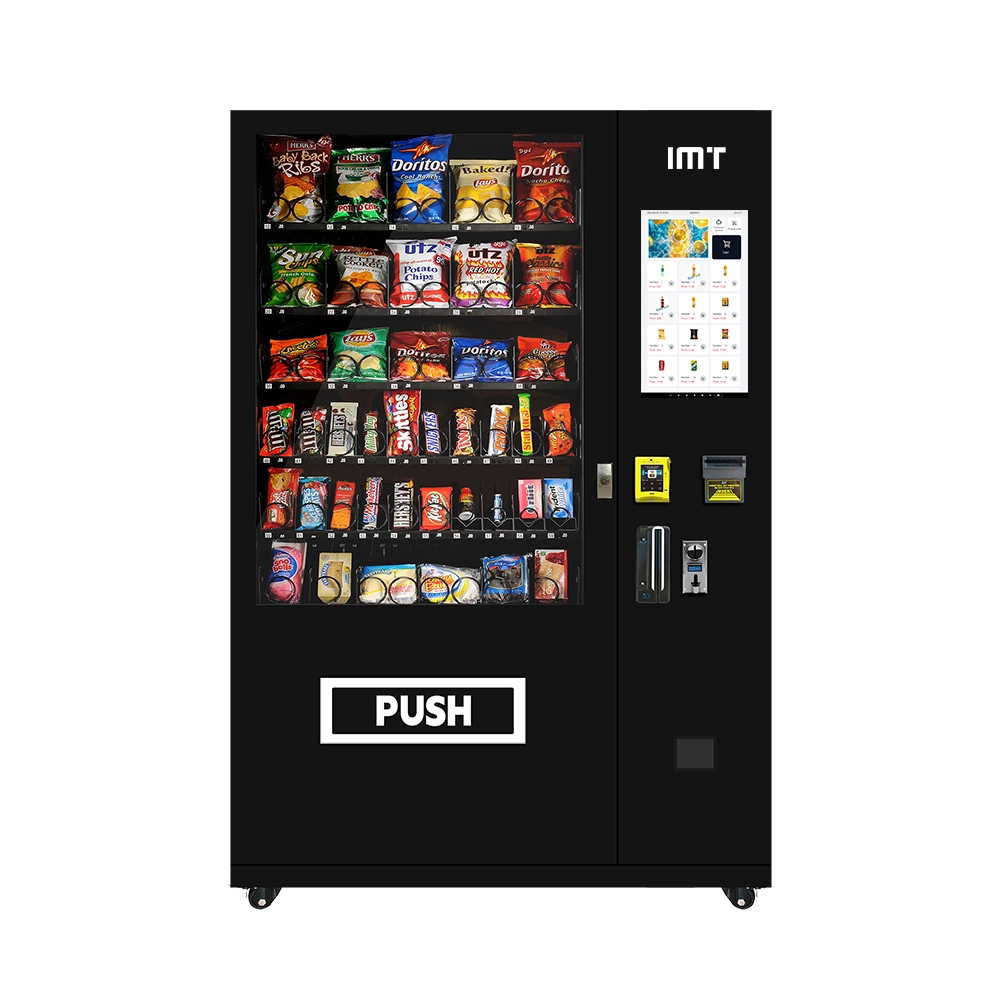
Introducing the IMT 60-Slot 21.5-Inch Touch Screen Vending Machine for Sale—your ultimate refreshment solution. This premium refrigerated drink and snack unit is perfect for businesses seeking reliable, efficient vending options. Maximize sales with its interactive display and cutting-edge design for peak performance. Explore our advanced vending solutions today!
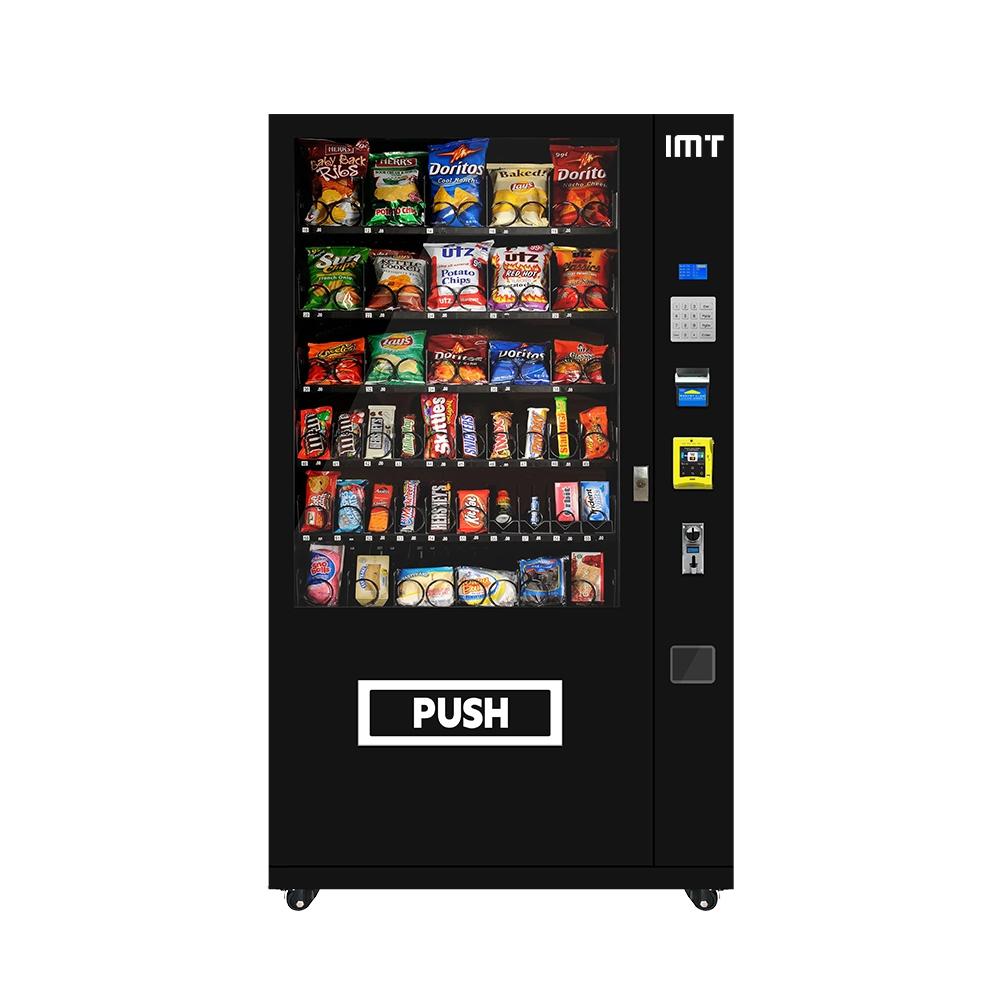
Discover the IMT 60 Slots Small Screen Metal Keypad Snack Vending Machine with its sleek design and advanced features. Perfect for high-traffic areas, this vending machine ensures easy access and secure transactions. Upgrade your snack solution with IMT today.
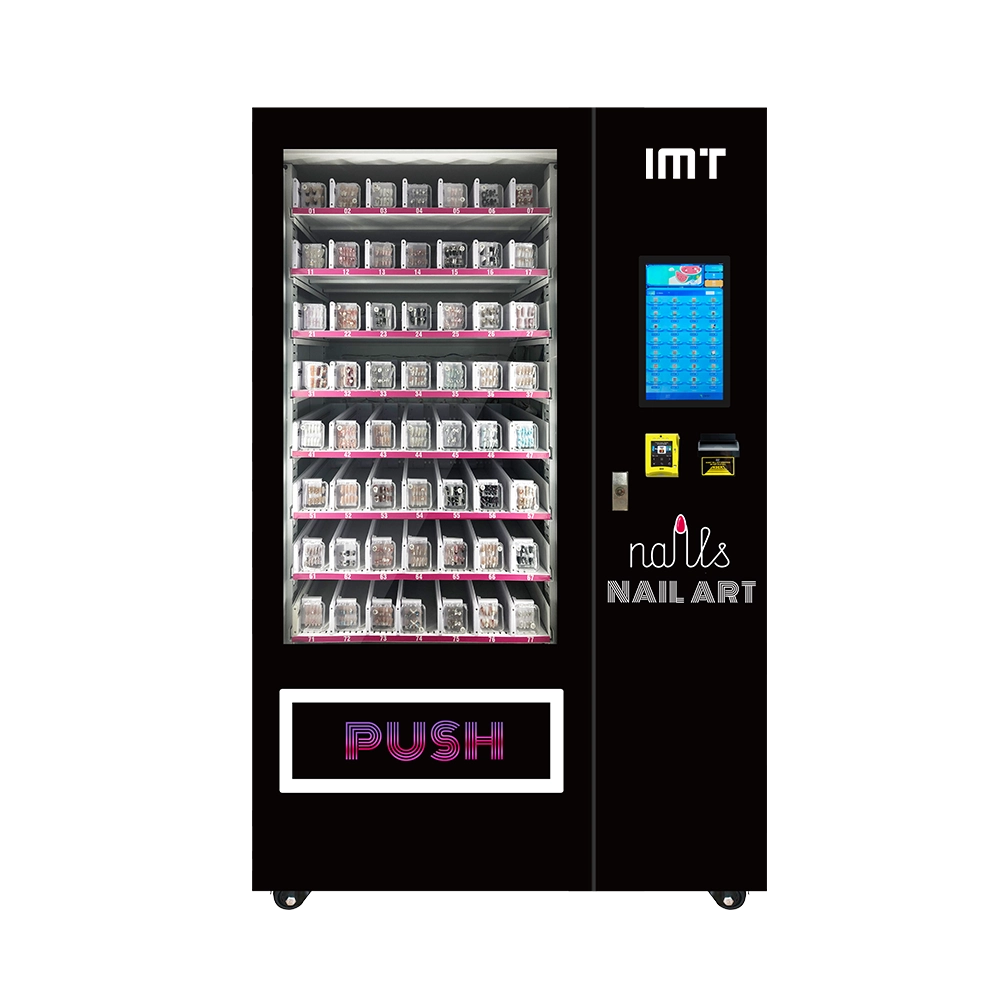
Discover the IMT 60-slot, 21.5-inch screen thermostatic beauty and nail vending machine. This state-of-the-art vending solution ensures that products are kept at optimum temperatures and offers unrivaled convenience. Ideal for beauty salons looking to innovate, this beauty and nail vending machine for sale enhances the customer experience and operational efficiency.
Contact IMT
Start your custom project
If you would like to learn more about the customized options of hardware and software, or have any specific requirements, please feel free to contact us.
IMT will wholeheartedly provide you with personalized solutions to help your business development.
IMT, one of China's leading manufacturers of retail equipment.
IMT is a government-supported, high-tech, and specialized innovative enterprise that integrates system R&D, production, sales, and after-sales service.

IMT vending Machine
IMT vending Machine
IMT Vending Machine