Driven by the dual forces of instant retail and the "self-pleasing economy," flower vending machines are transforming from a novel concept into a new growth point for physical flower shops and investors. For physical flower shops looking to break free from business hour restrictions, and for investors seeking entry points into high-traffic scenarios, understanding the profit logic of this model is crucial. This article combines the latest industry data to provide an in-depth analysis of the investment value of flower vending machines from five dimensions: influencing factors, placement locations, operational suggestions, industry trends, and risk control.
I. Core Influencing Factors: Where Does the Profit Come From?
1. Market Size and Profit Margin Benchmark
According to Business Research Insights data, the global flower vending machine market size in 2026 is approximately $670 million, and it is expected to reach $2.69 billion by 2035, with a compound annual growth rate as high as 16% from 2026 to 2035. This growth rate far exceeds that of traditional retail formats, demonstrating strong market demand.
Flowers are products with high emotional added value and strong pricing power. A flower vending machine located in a prime area, through reasonable pricing strategies and inventory management, can maintain a gross profit margin between 50% and 70%. Operator reports indicate that the average transaction value typically ranges from $15 to $25, with daily revenue at some high-traffic locations reaching $200 to $500. Due to its mature gifting culture, the European market holds 41% of the global market share, with particularly outstanding profitability per machine. Compared to a protein shake vending machine, which sells functional beverages, the average transaction value of flower vending machines fluctuates more significantly, heavily influenced by holidays such as Valentine's Day and Mother's Day. This requires operators to possess stronger seasonal operational capabilities.
2. In-Depth Breakdown of Cost Structure
Investing in a flower vending machine requires a comprehensive understanding of the cost components:
-
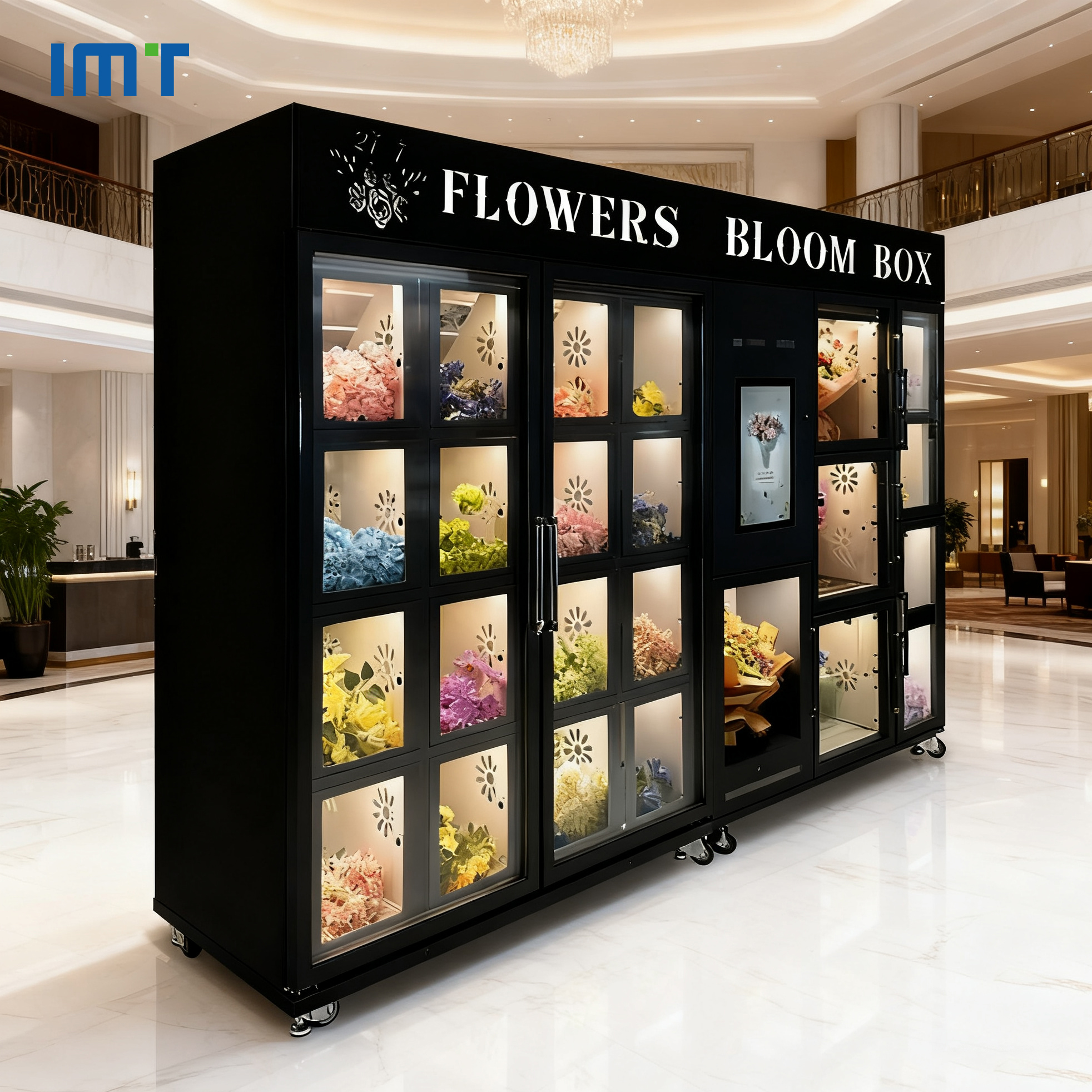
Equipment Cost: The price of high-quality flower vending machines varies considerably. Basic configuration machines range from $2,500 to $3,500, while smart models equipped with advanced temperature control systems, large touchscreens, and IoT functionalities can cost upwards of $6,000, reflecting the investment threshold for high-end equipment.
-
Location Commission: Placing machines in high-traffic private venues (such as shopping malls, airports) typically requires paying 10% to 25% of revenue as commission. A fixed rental model is also common for prime locations, and the optimal cooperation mode should be chosen based on estimated sales.
-
Operating Costs: This includes electricity consumption (temperature control systems lead to 22% higher energy consumption compared to regular vending machines), labor costs for regular restocking, and equipment maintenance fees. It is worth noting that flower vending machines avoid the rent and sales staff costs of physical stores, which is their core advantage.
-
Product Spoilage: Flowers are high-spoilage items, with 37% of operators recording frequent inventory damage. Spoilage rates need to be controlled at a reasonable level through intelligent monitoring and precise restocking.
II. Prime Placement Locations: Go Where the People Are
"Location" is critical to the success or failure of a flower vending machine. Unlike functional products, flower purchases are strongly emotion-driven and impulsive, so placement must precisely target the intended audience.
Analysis of Key Locations
Shopping Malls and Supermarkets: This is the most natural application scenario. High foot traffic and consumers' shopping mindset make flowers an ideal product for impulse purchases. These venues offer maximum visibility and cater to last-minute gift needs. It is estimated that high-quality mall locations can have a daily foot traffic of 3,000 to 10,000 people or more.
Hospitals: In medical facilities, patients, visitors, and staff need quick access to flowers to express greetings or thanks. A 24/7 flower vending machine provides a convenient solution without needing to visit a florist. Cases from Zurich, Switzerland, show that flower vending machines near hospitals experience significant sales increases during nighttime and early morning hours.
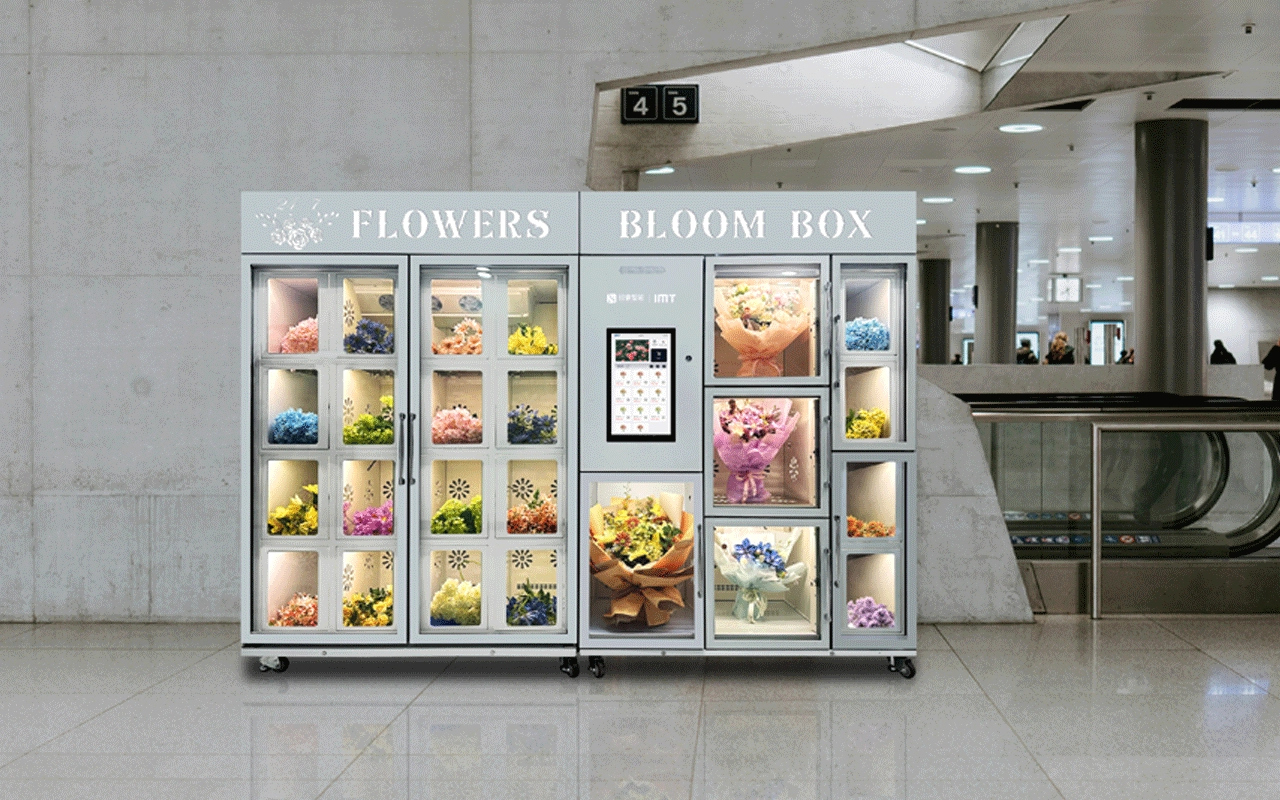
Transportation Hubs (Airports, Subway Stations): In busy transportation hubs, travelers can purchase flowers for friends, family, or business associates. High passenger traffic makes airports a prime location for flower vending machines. Data from the Singapore Tourism Board indicates that flower vending machines in transportation hubs increase impulse gift purchases by travelers by 24%.
Office Buildings and Business Centers: In corporate areas, employees may buy flowers for colleagues, clients, or personal use. These machines enhance workplace gifting culture and meet last-minute gift needs. Similar to a protein shake vending machine, office locations need to match the demographic – office buildings are more suited for simple, modern small bouquets rather than large, elaborate flower baskets.
Universities and Campuses: Student populations live fast-paced lives and have significant demand for flowers for graduations, holiday events, and everyday gifting. Placing machines in libraries, cafeterias, or student centers can attract many young consumers.
Residential Areas and High-End Communities: Modern apartments and gated communities present good opportunities for instant-need products. Machines placed in gyms, lobbies, or near elevators see higher usage rates.
Cemeteries and Memorial Sites: This is a unique but high-potential location. Visitors to memorial sites can conveniently purchase flowers to honor loved ones, providing a practical solution for those who couldn't prepare flowers in advance.
Outside Physical Flower Shops: This is the most stable and controllable configuration. Placing a machine outside an existing flower shop naturally extends business hours, reinforces the brand image, and allows for convenient restocking through the back door. The Finnish case shows that shop-operated vending machines generate additional sales even during daytime business hours, as some customers prefer the quick self-service experience.
III. Refined Operational Suggestions: Bringing the Machine to "Life"
A good location requires meticulous management to maximize the return on investment of a flower vending machine.
1. Enhancing User Experience with Technology
-
Smart Temperature Control System: Flowers are extremely sensitive to temperature and humidity. The machine must maintain an optimal temperature of 34°F-40°F (approx. 1°C-4°C). Choose equipment with precise temperature and humidity regulation functions to ensure flowers stay fresh for days.
-
Cashless Payments: Supporting credit cards, Apple Pay, mobile wallets, and other electronic payments is standard. Data shows that electronic payments account for 63% of flower vending machine transactions. Data from the UK's Office for National Statistics indicates that 31% of consumers in metropolitan areas prefer contactless purchasing methods, directly driving the rise of self-service flower vending systems.
-
Remote Monitoring System: Modern smart vending machines are equipped with IoT systems for real-time monitoring of sales data, inventory status, and fault alerts. 52% of suppliers have introduced remote inventory monitoring systems.
-
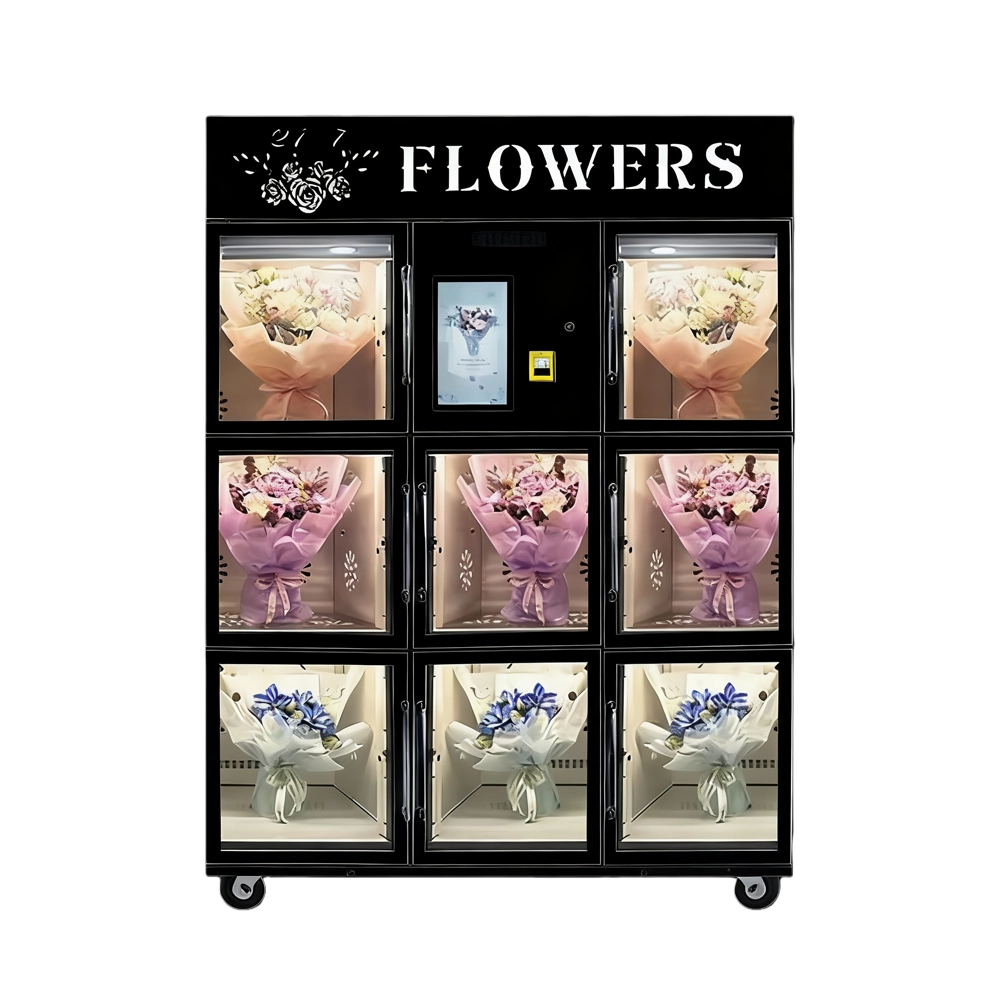
Transparent Display Design: Clear glass panel design allows customers to see the bouquets clearly before purchasing, enhancing purchase confidence.
2. Product Customization and Data-Driven Decisions
-
Tailored Product Selection: Observe the demographic characteristics of different locations – stock simple, modern small bouquets in office buildings; opt for condolence-style soft color schemes in hospitals; choose gift bouquets with portable packaging for transportation hubs.
-
Seasonal Adjustments: Prepare inventory in advance and increase restocking frequency during peak seasons like Valentine's Day, Mother's Day, and graduation periods. Flower operators often keep physical shops open during peak times, using the machines to share some of the customer flow.
3. Hygiene and Maintenance
Flower vending machines involve fresh plants, making hygiene and freshness preservation critical:
-
Regular Cleaning: Clean internal and external parts weekly, wipe down glass display panels to maintain machine appeal.
-
Timely Removal of Spoiled Items: Remove wilted or damaged bouquets during each restocking to avoid affecting the overall image.
-
Technical Maintenance: Regularly inspect key components such as the refrigeration system, payment unit, and display screen. Establish contact with suppliers or service providers to ensure quick repairs.
IV. Industry Trends: Standing at the Forefront in 2026
In 2026, the vending machine industry is undergoing intelligent transformation, bringing significant opportunities for flower vending machines.
1. Deep Integration of Intelligence and IoT
-
AI Demand Forecasting: Artificial intelligence can analyze weather, time of day, and local events to predict sales and optimize restocking plans, reducing spoilage and labor costs.
-
Proliferation of Remote Monitoring: 56% of retail spaces have integrated IoT smart machines, and 33% of global transportation hubs use intelligent vending equipment.
2. Contactless and Customized Experiences
-
Contactless Transactions: Cater to the needs of health-conscious consumers and enhance convenience.
-
Personalized Customization: Allow customers to customize bouquets or choose packaging, enriching the shopping experience. Some high-end machines are beginning to explore this feature.
3. Rise of Sustainable Practices
Machine designs are trending towards reducing energy consumption and using eco-friendly materials, aligning with global environmental concerns. Data from the National Retail Federation shows that if freshness and eco-friendly packaging are guaranteed, 28% of Millennial and Gen Z consumers are willing to buy flowers from automated machines.
V. Risk Elimination: Avoiding Common Investment Pitfalls
While the market has broad prospects, blindly entering it may lead to losses. Here are key risks to watch for and corresponding countermeasures.
Risk 1: High Equipment Cost and Unreliable Quality
Hidden Danger: Cheap machines may have unstable cooling, imprecise temperature control, or incompatible payment systems, leading to rapid flower wilting and soaring maintenance costs. Data from the National Renewable Energy Laboratory (NREL, U.S.) shows that refrigeration-based vending machines can have 22% higher energy consumption, and low-quality equipment exacerbates this problem.
Countermeasure: Choose brands with CE/FCC certification and good after-sales support, focusing on the reliability of the refrigeration system and remote monitoring functionality. Consider purchasing 1-2 sample machines for testing before bulk purchasing to verify performance.
Risk 2: Ignoring Site Traffic Quality and Cost Structure
Hidden Danger: Traffic doesn't always equal sales. The Australian Retail Association reports that 19% of retail operators cite maintenance and humidity control challenges as major obstacles to nationwide promotion of flower vending machines. Prime locations like airports and stadiums may demand commissions of over 25%, eroding profits.
Countermeasure: Conduct on-site inspections before signing contracts to assess the target customers' purchasing power and actual needs. Use the formula "foot traffic × conversion rate × average transaction value" to estimate daily revenue and negotiate a reasonable revenue share with the location provider. If necessary, sign short-term trial operation agreements to test location effectiveness.
Risk 3: Poor Supply Chain and Spoilage Management
Hidden Danger: Flower supply is significantly affected by seasons and weather, with a short shelf life. 37% of operators report frequent inventory damage. Unstable supply chains or untimely restocking can lead to stockouts or spoilage.
Countermeasure: Cooperate with multiple local suppliers and use IoT systems to set inventory warning levels. Establish standardized restocking procedures and train staff on proper flower handling and storage. Data analysis shows that high-traffic locations can generate daily revenue of $200-500, which is sufficient to support refined restocking management.
Risk 4: Excessively High Commissions Eroding Profits
Hidden Danger: In the rush to secure prime locations, operators might accept excessively high commissions, ultimately working hard just to cover the location fees.
Countermeasure: Accurately calculate the break-even point and negotiate with location providers using detailed sales forecast data. Consider the pros and cons of three cooperation models: fixed rent, revenue share, and hybrid model, and choose the most suitable combination.
Risk 5: Neglecting Compliance and Regulatory Requirements
Hidden Danger: Different regions have specific regulatory requirements for vending machines, including electrical safety (CE/FCC certification) and hygiene standards. Neglecting compliance can lead to fines or forced removal.
Countermeasure: Understand local regulations in advance and ensure equipment meets certification requirements. Conduct regular compliance checks and keep relevant documents for reference.
References:
-
Business Research Insights. (2026). Flower Vending Machine Market Size, Share, Growth, and Industry Analysis, From 2026 To 2035
-
Alibaba. (2025). How to Source High-Quality Floral Vending Machine Suppliers: A Strategic Guide for B2B Buyers
-
United Kingdom's Office for National Statistics (ONS) via Business Research Insights
-
National Renewable Energy Laboratory (NREL, U.S.) via Business Research Insights
-
Australian Retail Association (ARA) via Business Research Insights


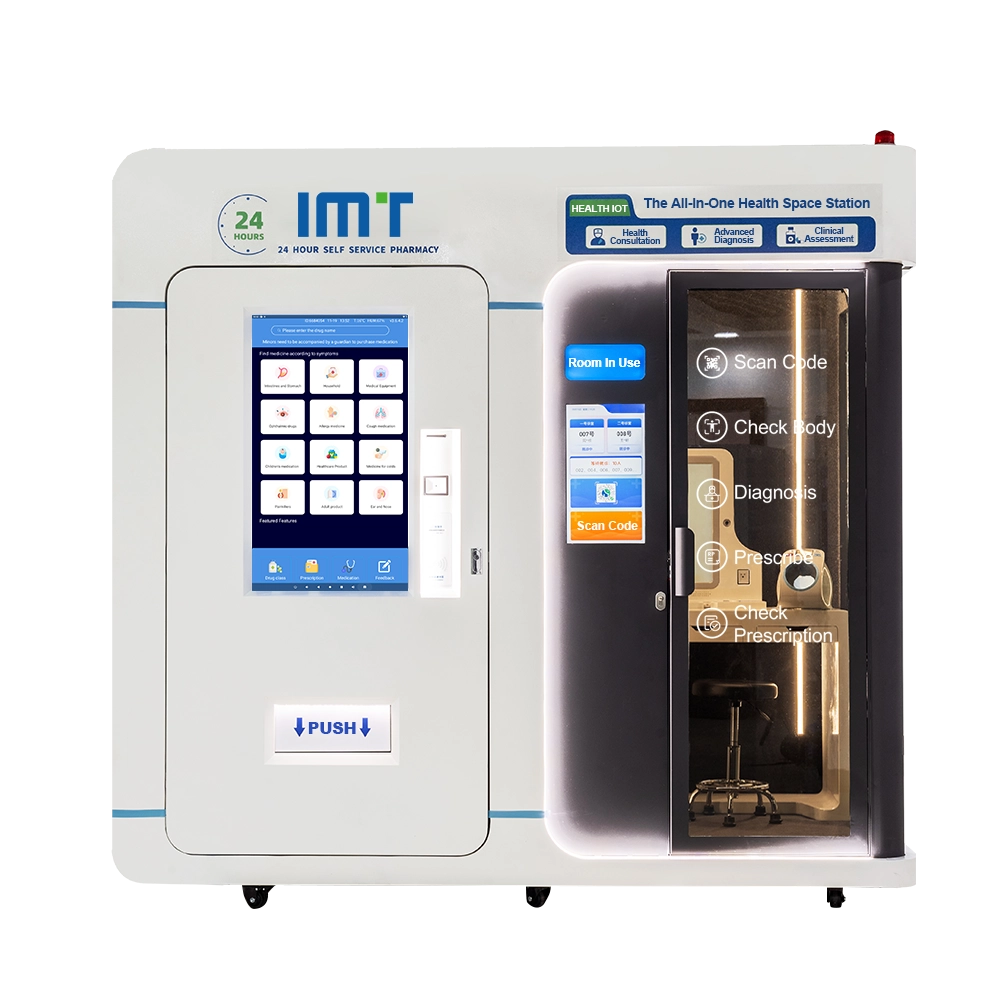

IMT vending Machine
IMT vending Machine
IMT Vending Machine