
Operating a 24/7 Hot Food Vending Machine: A Guide to Location and Profitability | IMT Guide
This guide provides a data-driven framework for operating profitable 24/7 hot food vending machines. Learn prime location strategies, proven profit models with real metrics, and key tech selections for B2B success in the automated food service market.
- 01 Industry Trends: The Golden Window for Hot Food Vending Machines
- 02 Precise Positioning: Three Prime Scenarios and Location Strategies
- 03 Profit Model: Cost Control and Revenue Analysis
- 04 Operational Practice: Technology Selection and Daily Operations
- 05 Market Outlook: Technological Innovation and Consumer Trends
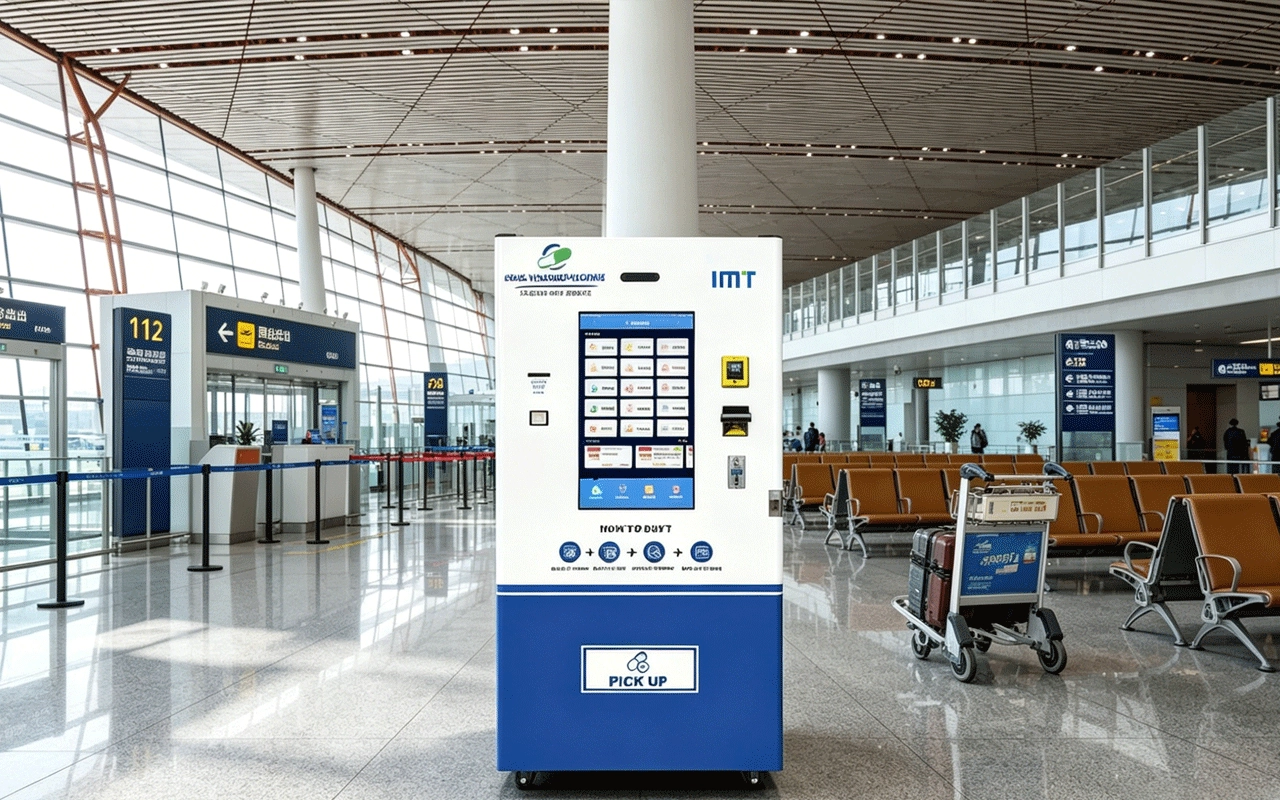
OTC Medication Vending Machine Business: Profit Margins, Costs, and 12-Month ROI Projections
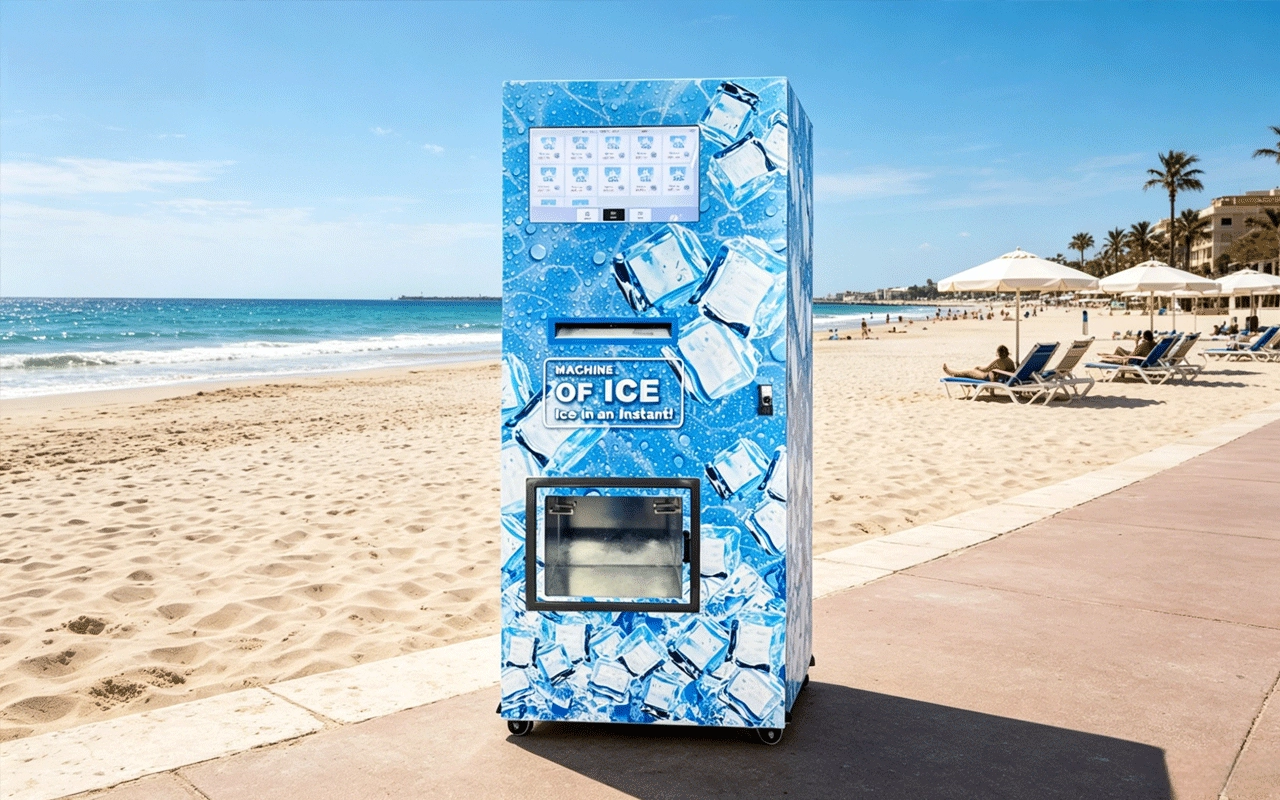
The Ultimate Guide to Ice Vending Machines: Start Your Automatic Ice Vending Machine Business
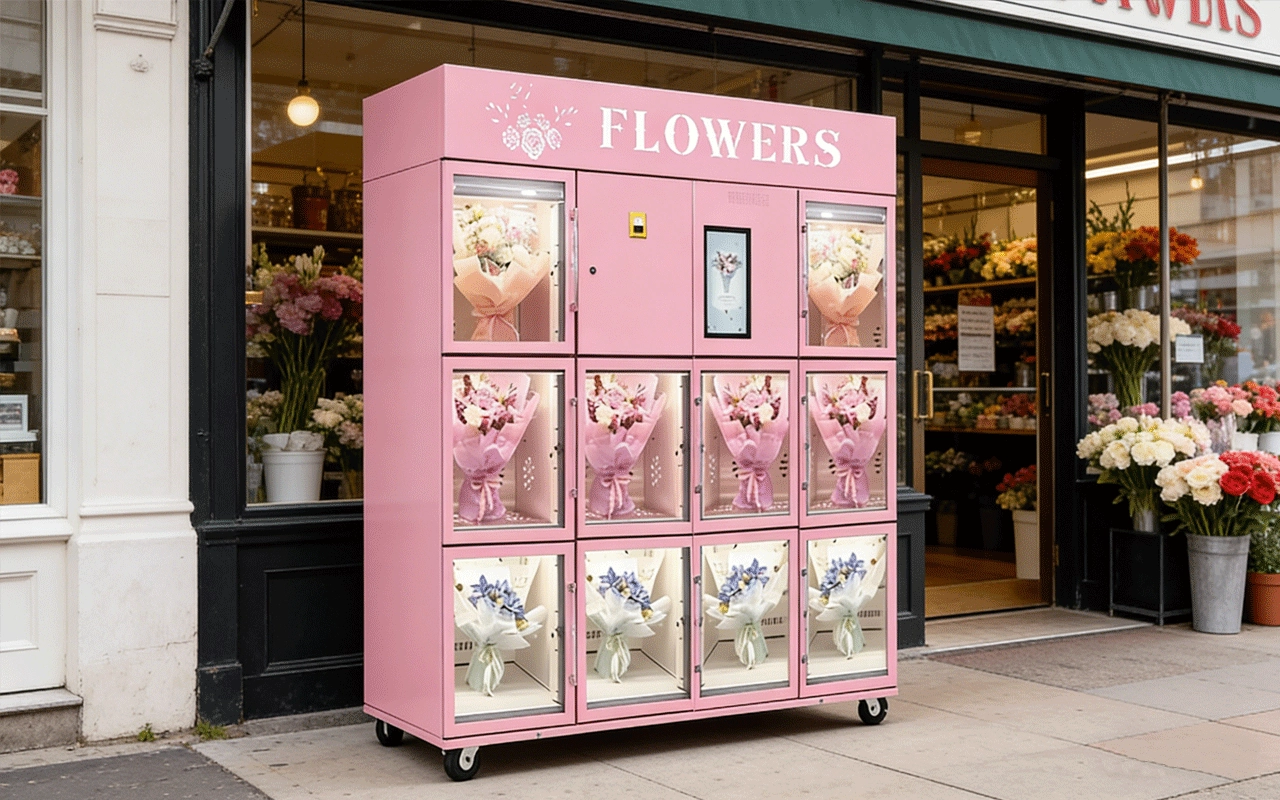
The Ultimate Guide to Flower Vending Machines: A 24/7 Automated Florist Business
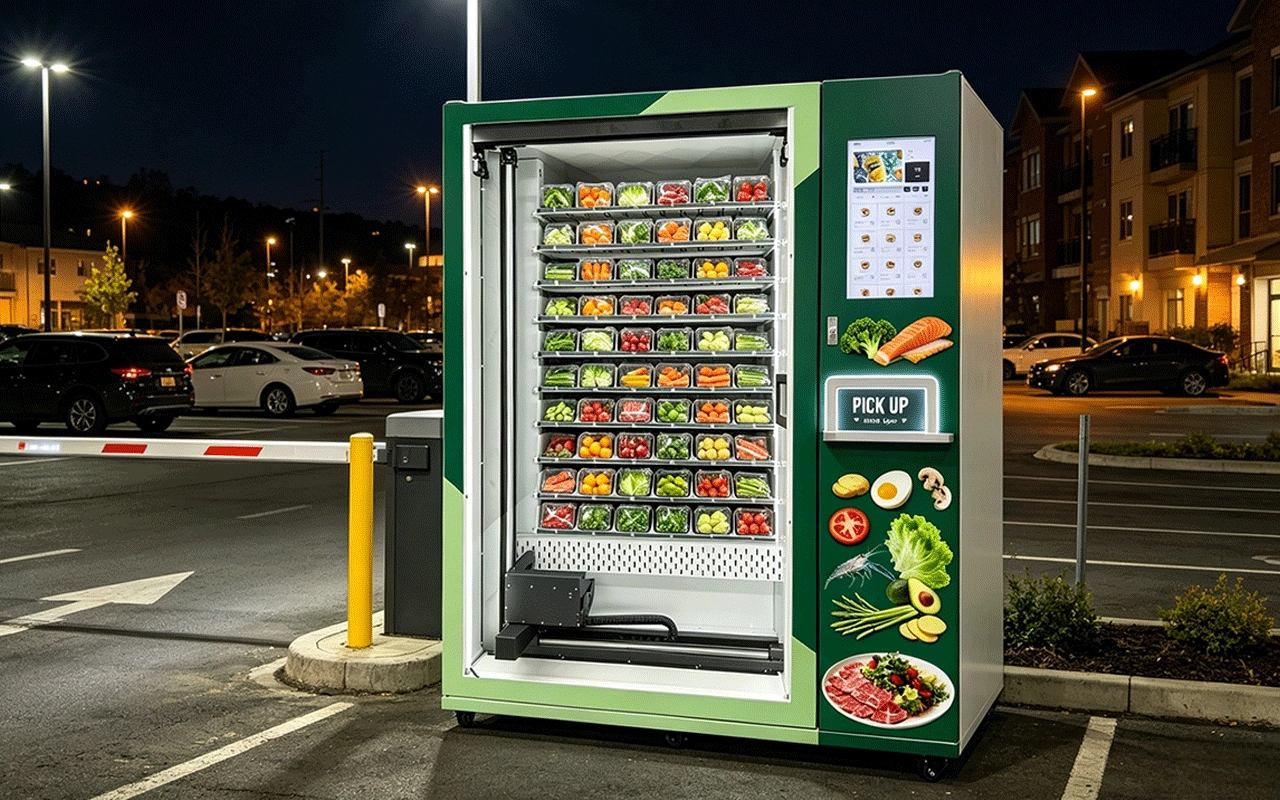
The Ultimate Guide to Hot Food Vending Machines: The Profitable Future of 24/7 Fresh Meal Retail
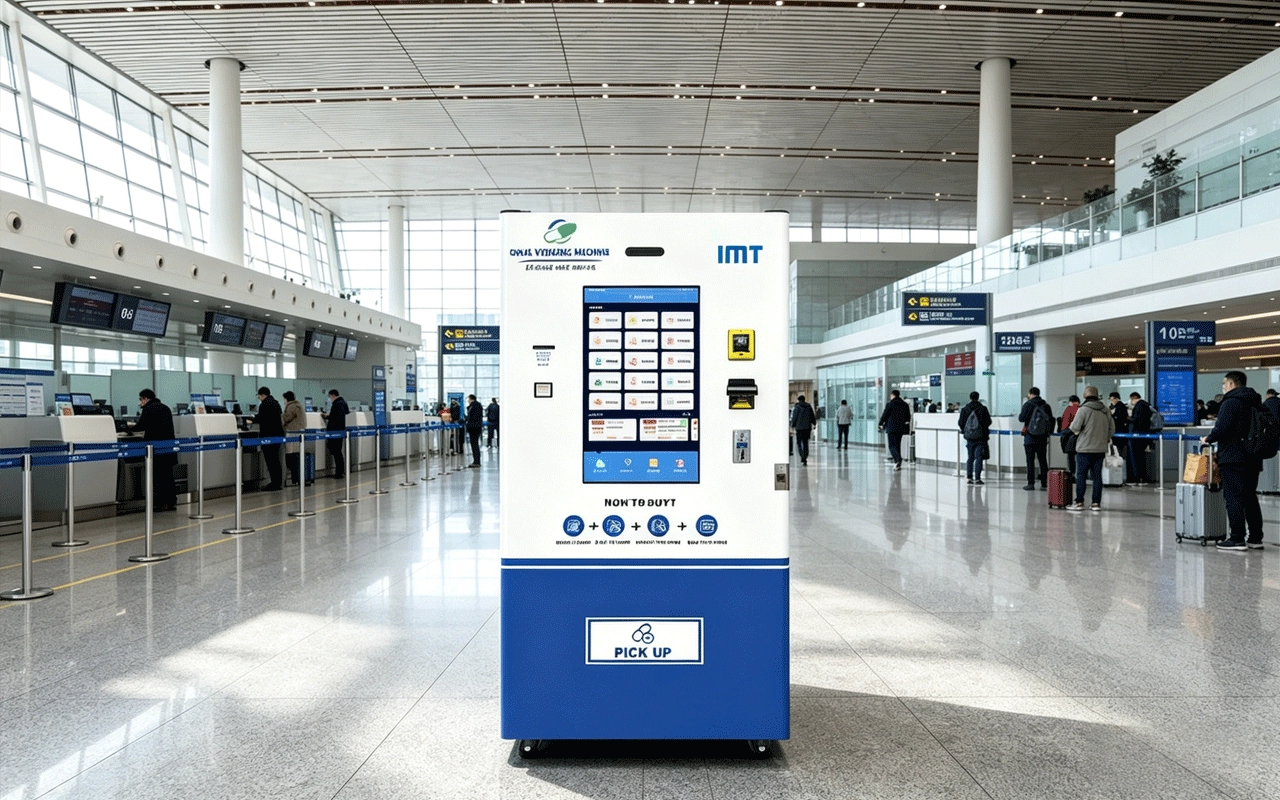
The Ultimate Guide to OTC Medication Vending Machines: How Pharmacy Vending Machines Are Revolutionizing 24/7 Healthcare Access
For Factory
Where is your factory?
We are located in Guangzhou City, Guangdong Province.Warmly welcome to visit us.
What is the life time of your Vending Machine?
15 years at least.
What is the brand of compressor used in refrigerated vending machines?
We use Embraco,imported from Brazil.
How about the warranty and after-sales services?
The product is guaranteed up to one year from purchased.We have professional after-sales team,About technical problem,our after-sales engineer will reply within 12 hours.
What shall l do if the machine has some problems?
(1) Our engineer will support by video call.
(2) We have operation videos, basic trouble shooting videos so that you can solve it in time.
Learn More About Our Vending Machines
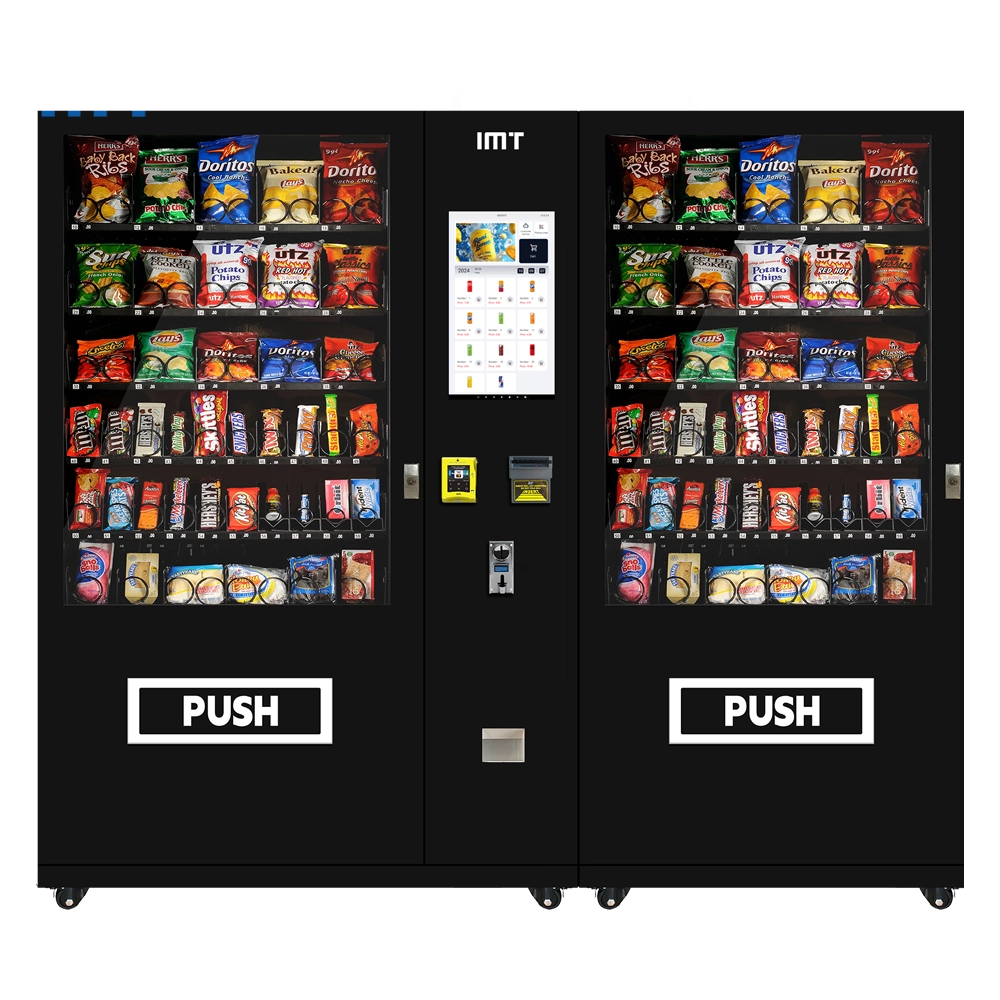
Introducing the IMT Combo 21.5-Inch Touch Screen Vending Machine for Sale—your ultimate refreshment solution. This premium refrigerated drink and snack unit is perfect for businesses seeking reliable, efficient vending options. Maximize sales with its interactive display and cutting-edge design for peak performance. Explore our advanced vending solutions today!
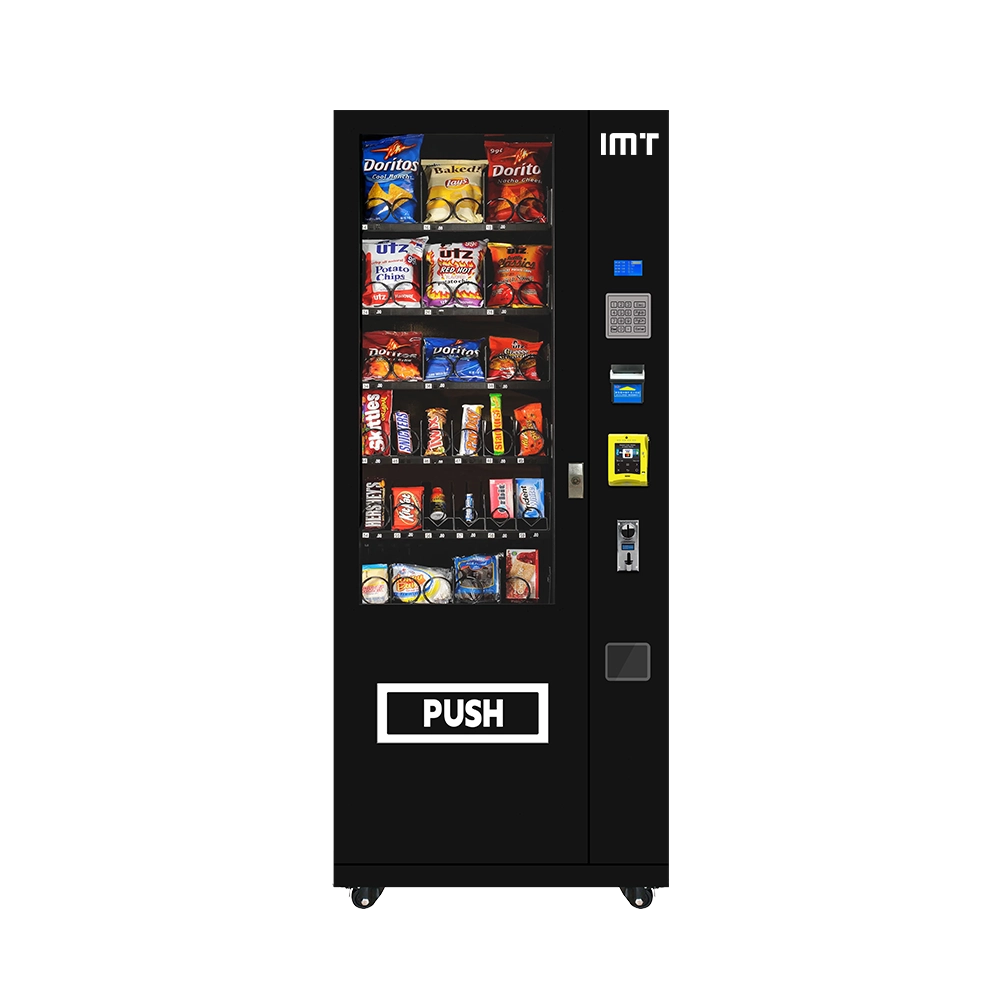
Introducing the IMT 36 Slot Small Screen Metal Keypad Drink Vending Machine. Perfect for any environment, this durable and reliable vending solution provides optimum access to beverages. Explore our range of vending machines for sale, designed to increase convenience and efficiency while improving your customers' refreshment options.
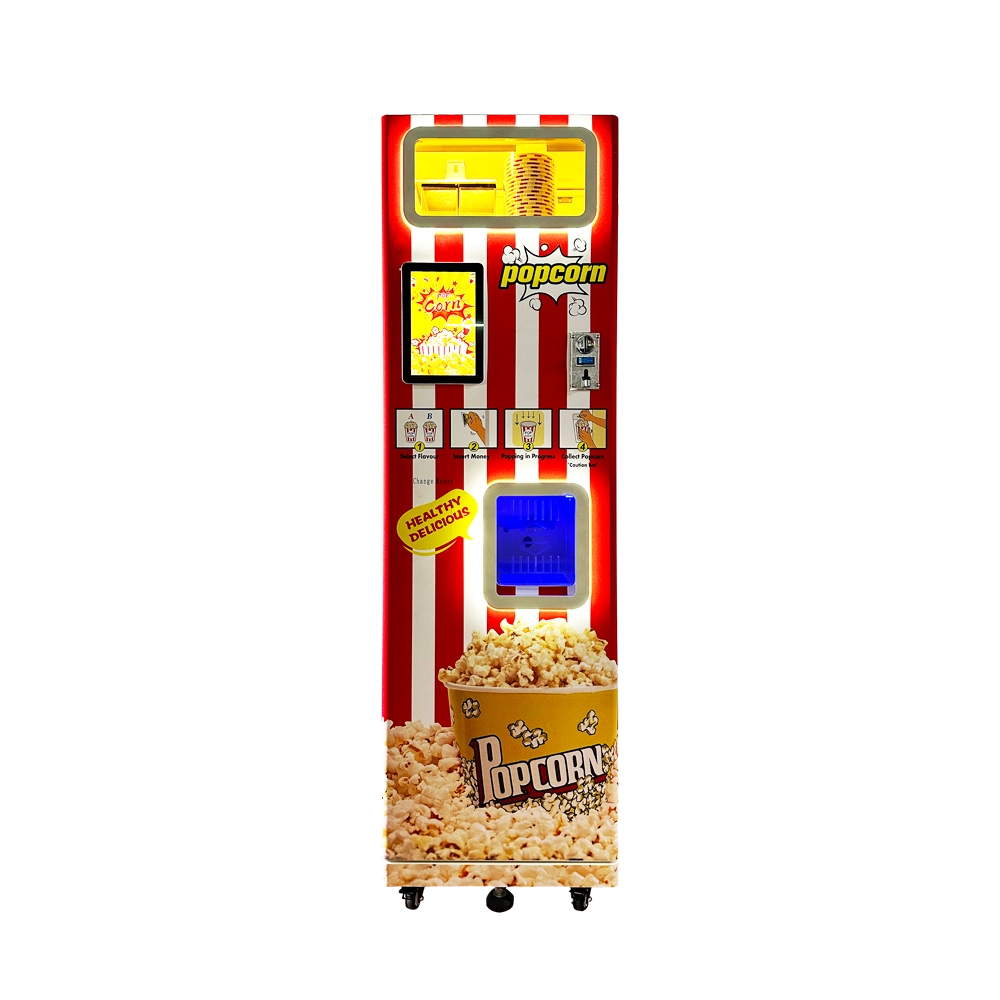
Discover our 10.1-inch touch screen popcorn vending machine, automated cup dispensing system, precision convection heating, and freshly popped popcorn—crispier & healthier—ideal for high-traffic venues: high-speed rail stations, cinemas, and amusement parks. IMT delivers tailored vending solutions for your business.
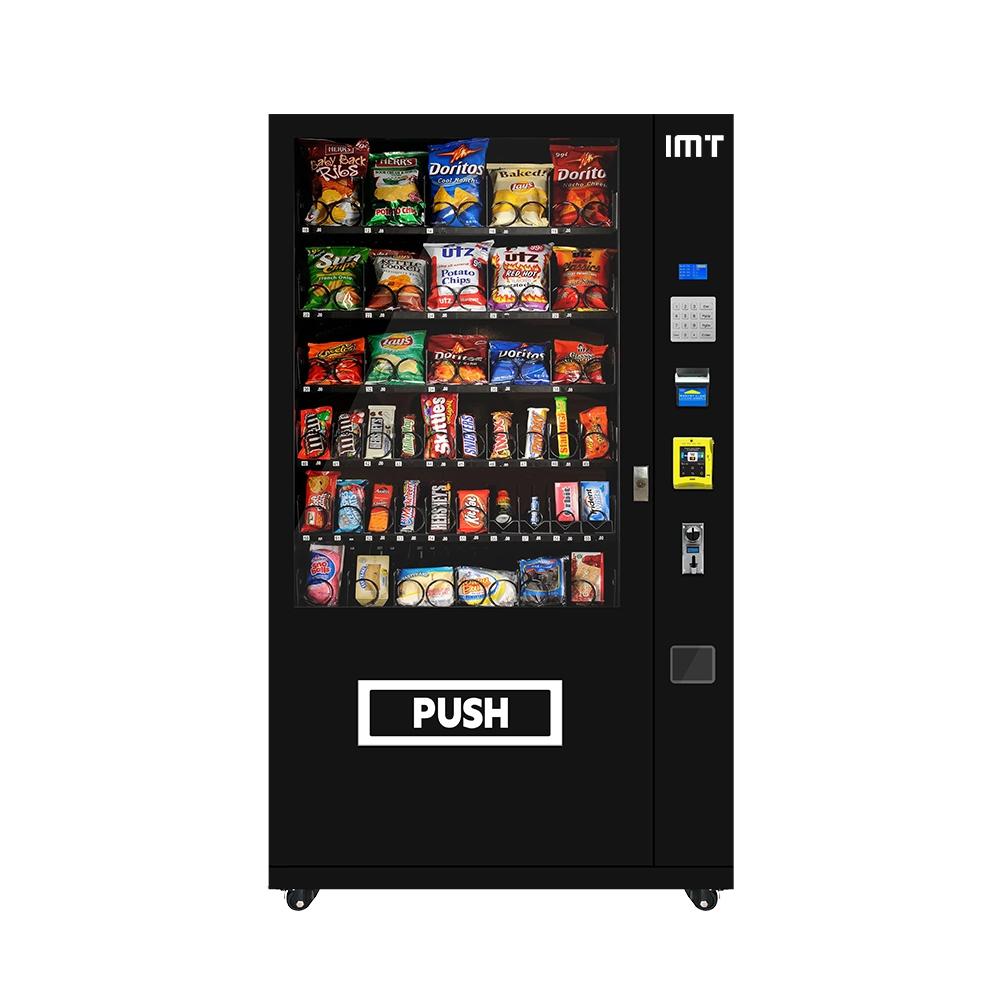
Discover the IMT 60 Slots Small Screen Metal Keypad Snack Vending Machine with its sleek design and advanced features. Perfect for high-traffic areas, this vending machine ensures easy access and secure transactions. Upgrade your snack solution with IMT today.
Contact IMT
Start your custom project
If you would like to learn more about the customized options of hardware and software, or have any specific requirements, please feel free to contact us.
IMT will wholeheartedly provide you with personalized solutions to help your business development.
IMT, one of China's leading manufacturers of retail equipment.
IMT is a government-supported, high-tech, and specialized innovative enterprise that integrates system R&D, production, sales, and after-sales service.

IMT vending Machine
IMT vending Machine
IMT Vending Machine