
The Future of Public Health: How Multiple Functional Health Check Stations Are Deployed in Smart Cities
Explore how Multiple Functional Health Check Stations are transforming public health in smart cities. This article details their strategic deployment with real case studies, quantifiable benefits, and key opportunities for B2B stakeholders in this growing market.
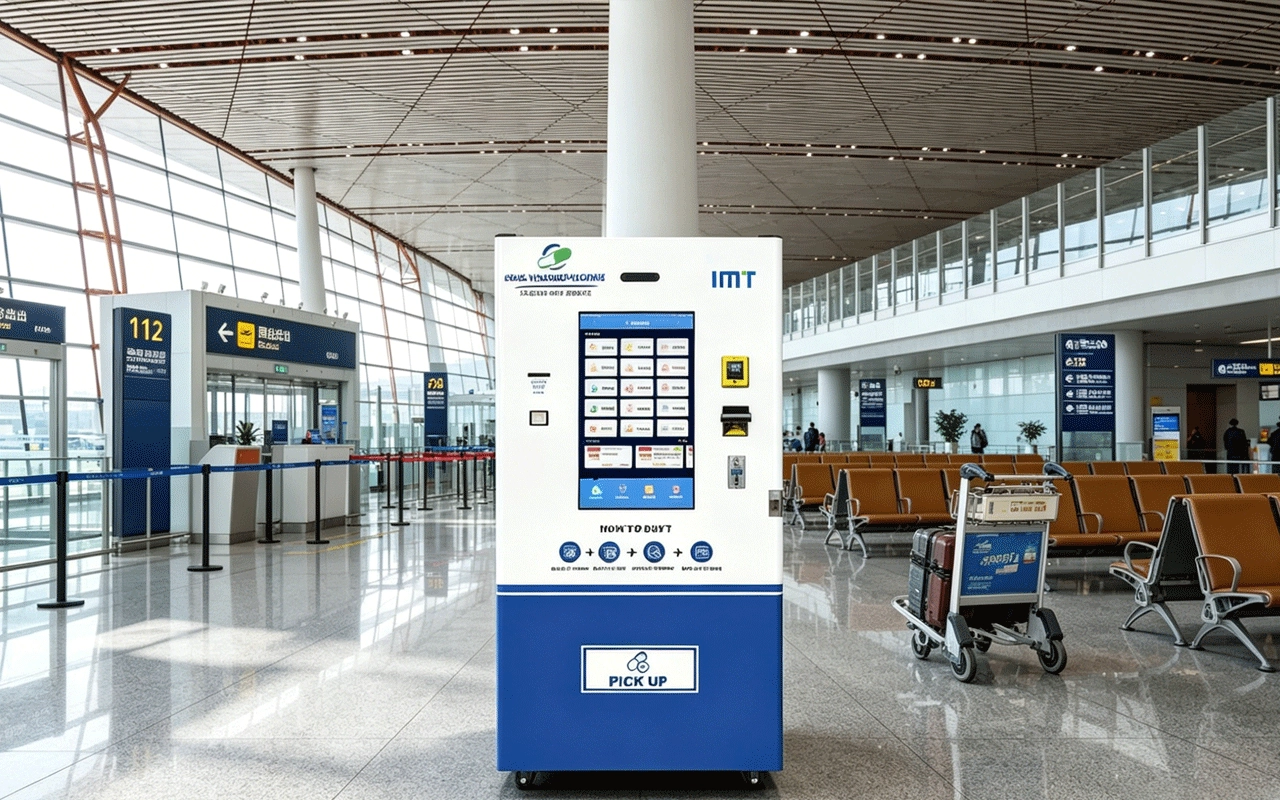
OTC Medication Vending Machine Business: Profit Margins, Costs, and 12-Month ROI Projections
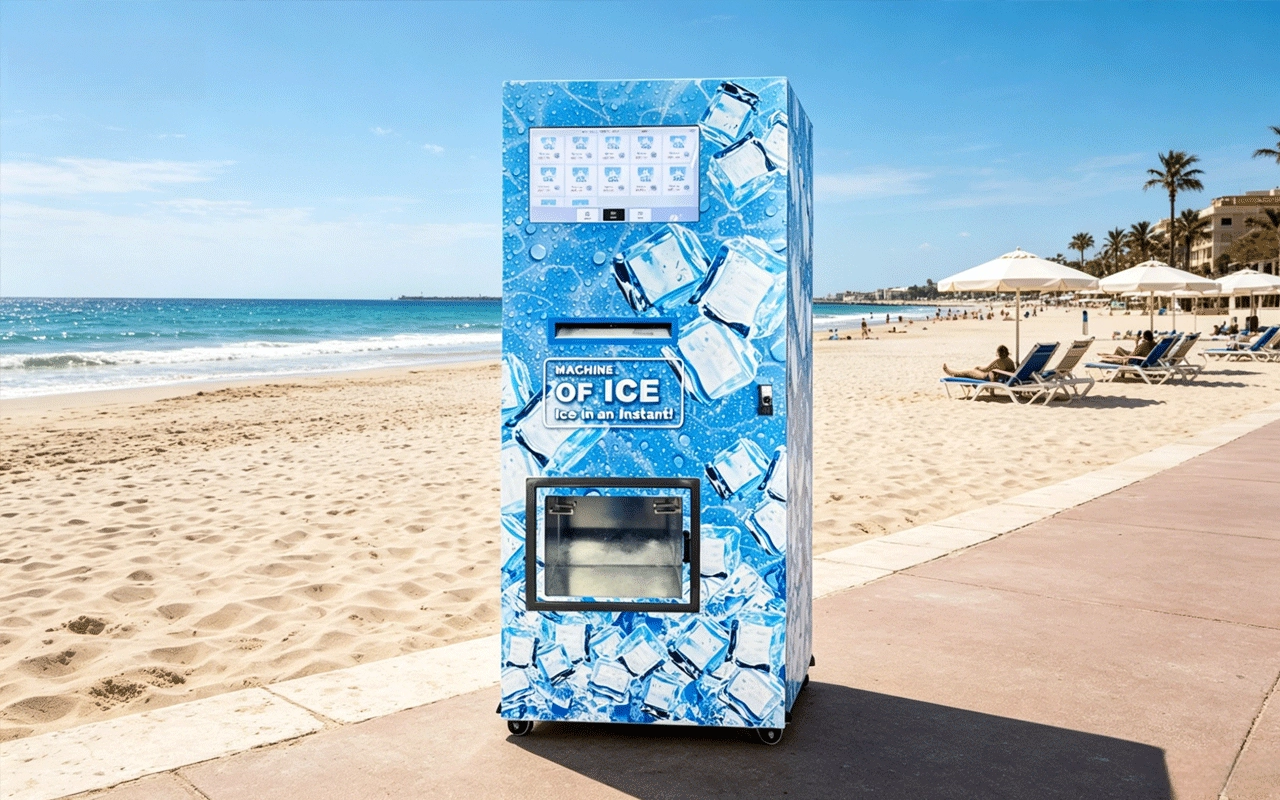
The Ultimate Guide to Ice Vending Machines: Start Your Automatic Ice Vending Machine Business
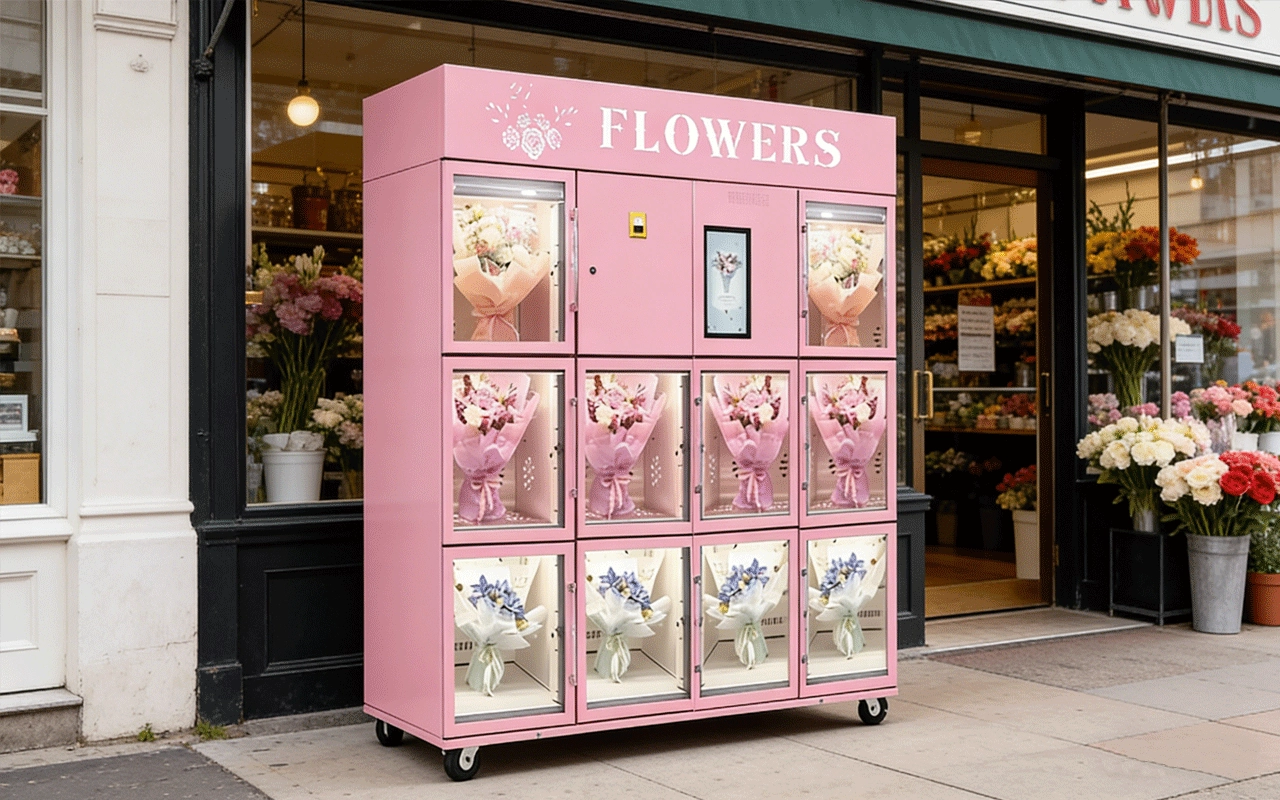
The Ultimate Guide to Flower Vending Machines: A 24/7 Automated Florist Business
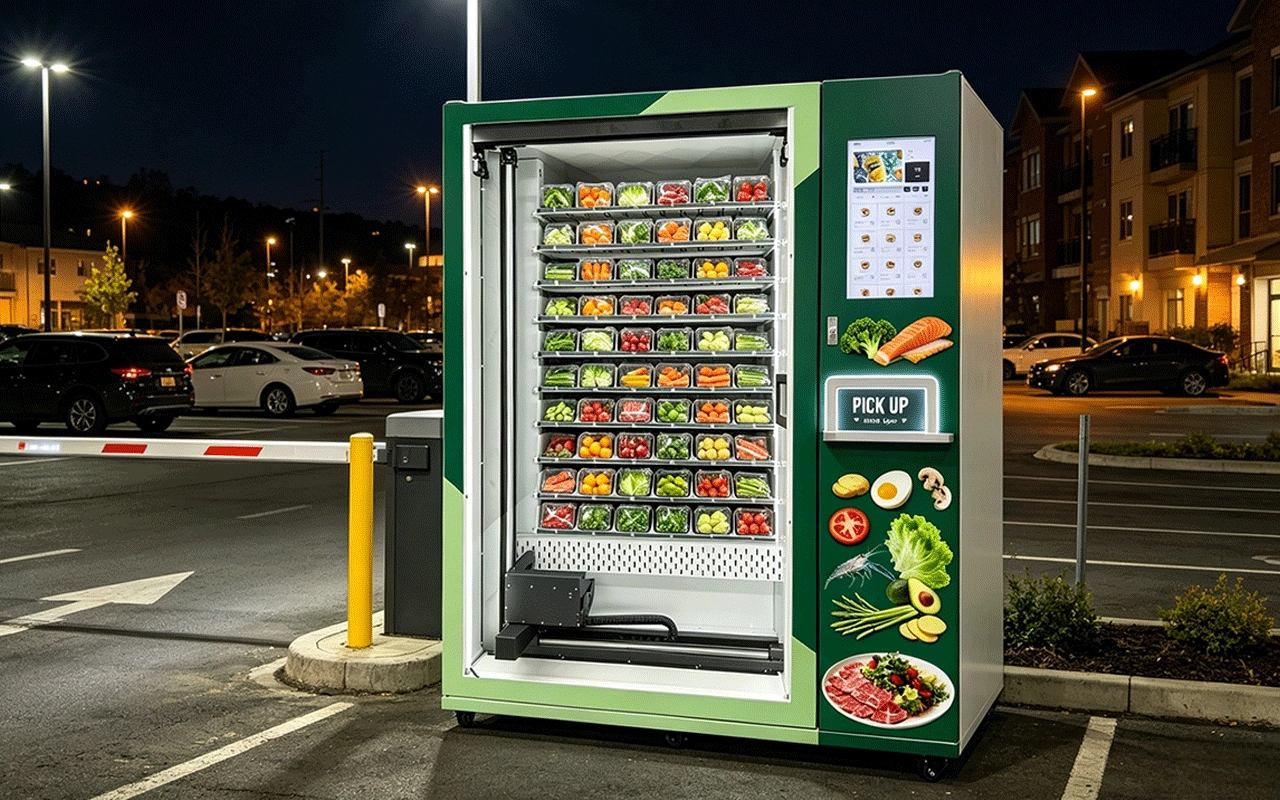
The Ultimate Guide to Hot Food Vending Machines: The Profitable Future of 24/7 Fresh Meal Retail
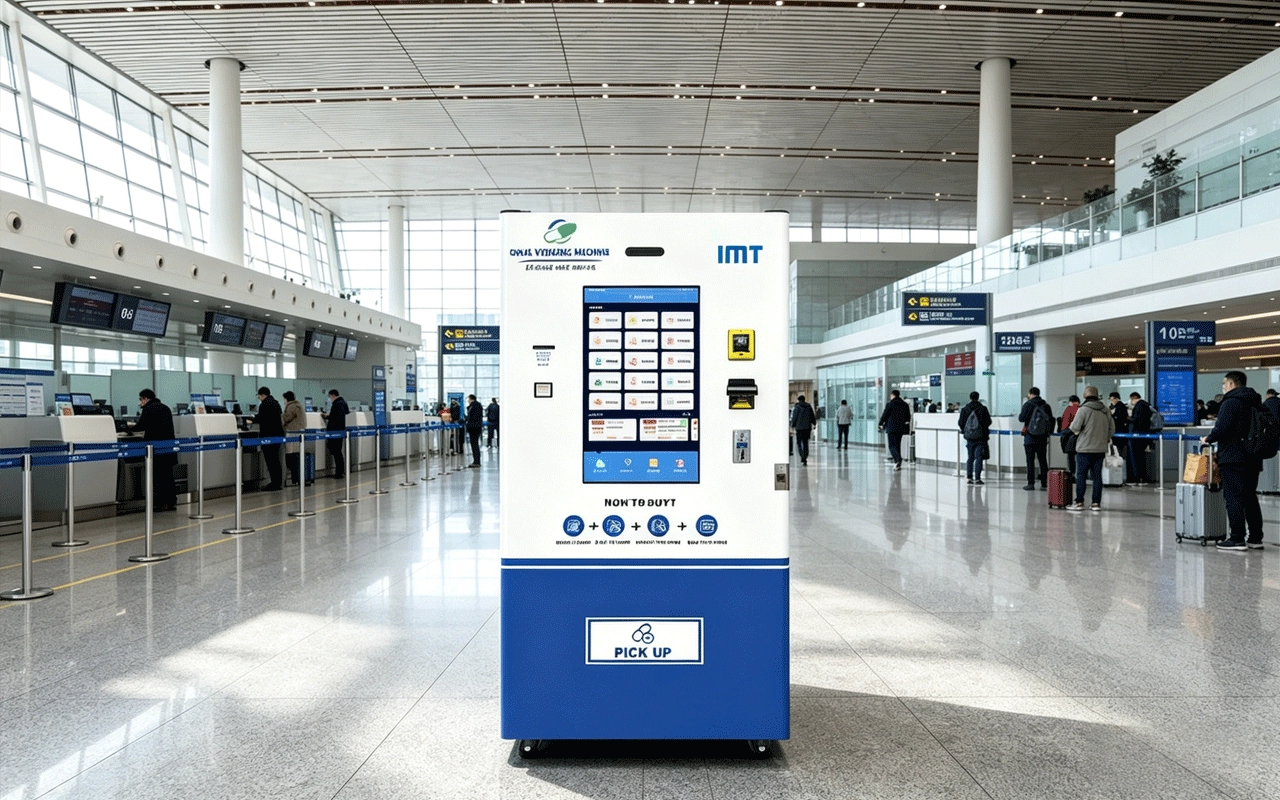
The Ultimate Guide to OTC Medication Vending Machines: How Pharmacy Vending Machines Are Revolutionizing 24/7 Healthcare Access
For Factory
Where is your factory?
We are located in Guangzhou City, Guangdong Province.Warmly welcome to visit us.
What is the life time of your Vending Machine?
15 years at least.
What is the brand of compressor used in refrigerated vending machines?
We use Embraco,imported from Brazil.
How about the warranty and after-sales services?
The product is guaranteed up to one year from purchased.We have professional after-sales team,About technical problem,our after-sales engineer will reply within 12 hours.
What shall l do if the machine has some problems?
(1) Our engineer will support by video call.
(2) We have operation videos, basic trouble shooting videos so that you can solve it in time.
Learn More About Our Vending Machines
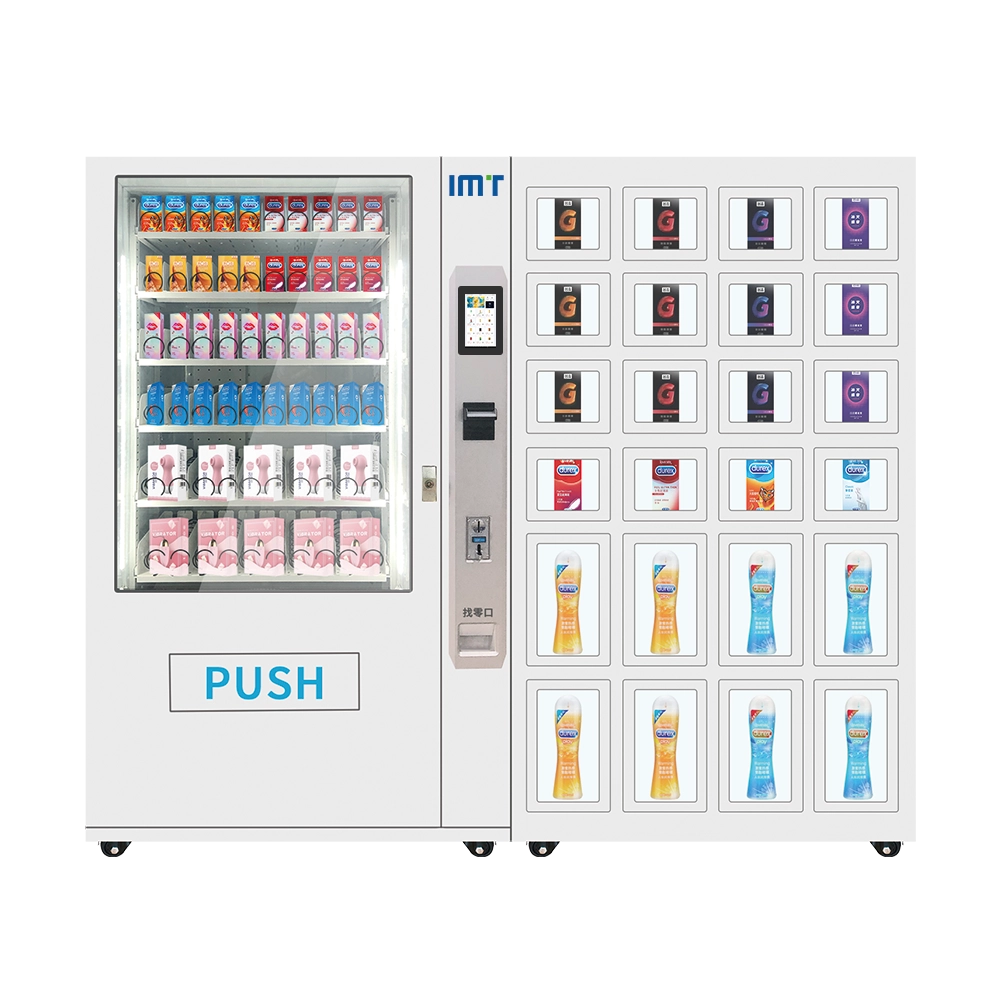
Discover the IMT One-to-One locker screen vending machine - an innovative solution featuring an interactive display for secure and efficient storage management. Perfect for a variety of needs, this advanced locker vending machine is designed with flexibility and convenience in mind. Explore our high-tech locker vending machines for sale and upgrade your storage solutions today.
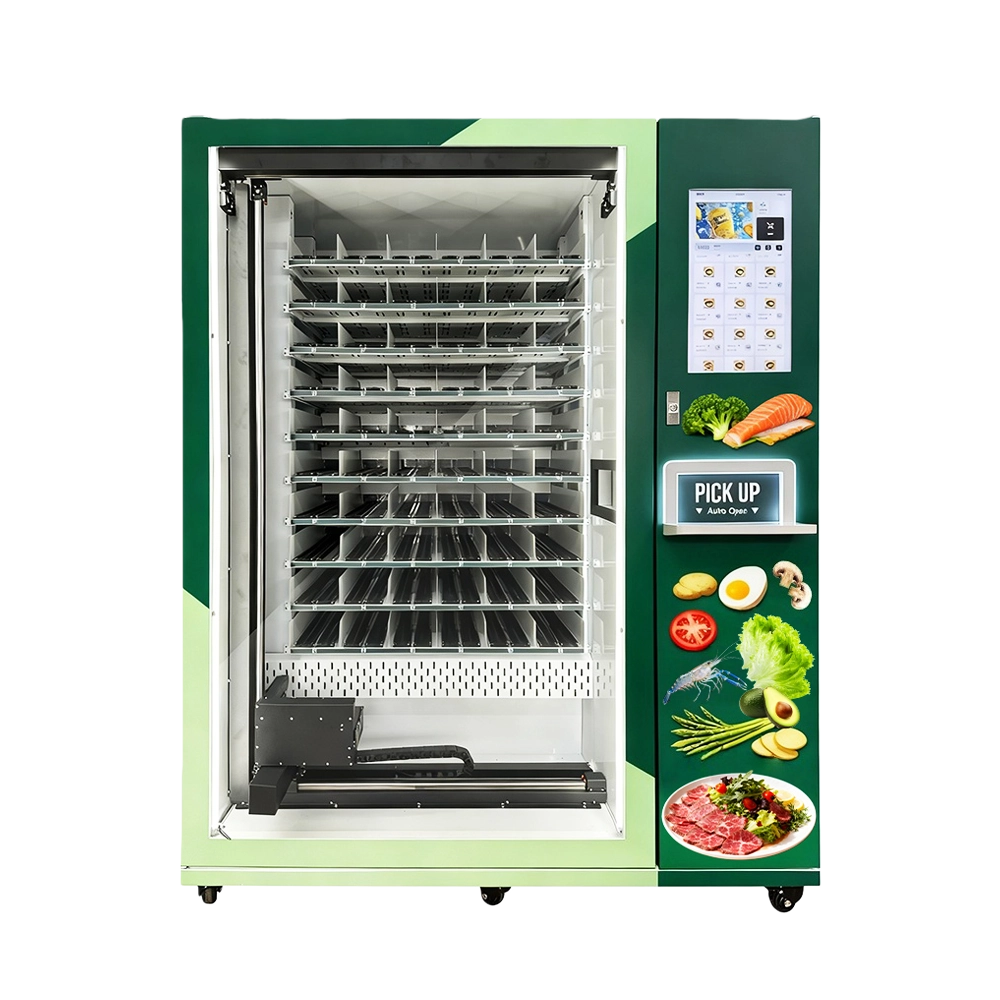
The IMT 21.5-inch smart fresh food vending machine is an advanced solution designed specifically for the automated retail of ready-to-eat meals and hot food. Equipped with a built-in microwave oven, this machine offers flexible heating and non-heating options, making it perfect for vending freshly prepared meals, noodles, and snacks.
Unlike standard vending machines, this model features an independent elevator transport system. This innovative mechanism, combined with infrared detection, ensures gentle and stable product delivery for a wide variety of package shapes and sizes, minimizing the risk of jams or damage. For enhanced user convenience, it also includes a built-in automatic utensil dispenser, allowing customers to easily grab utensils after their purchase.
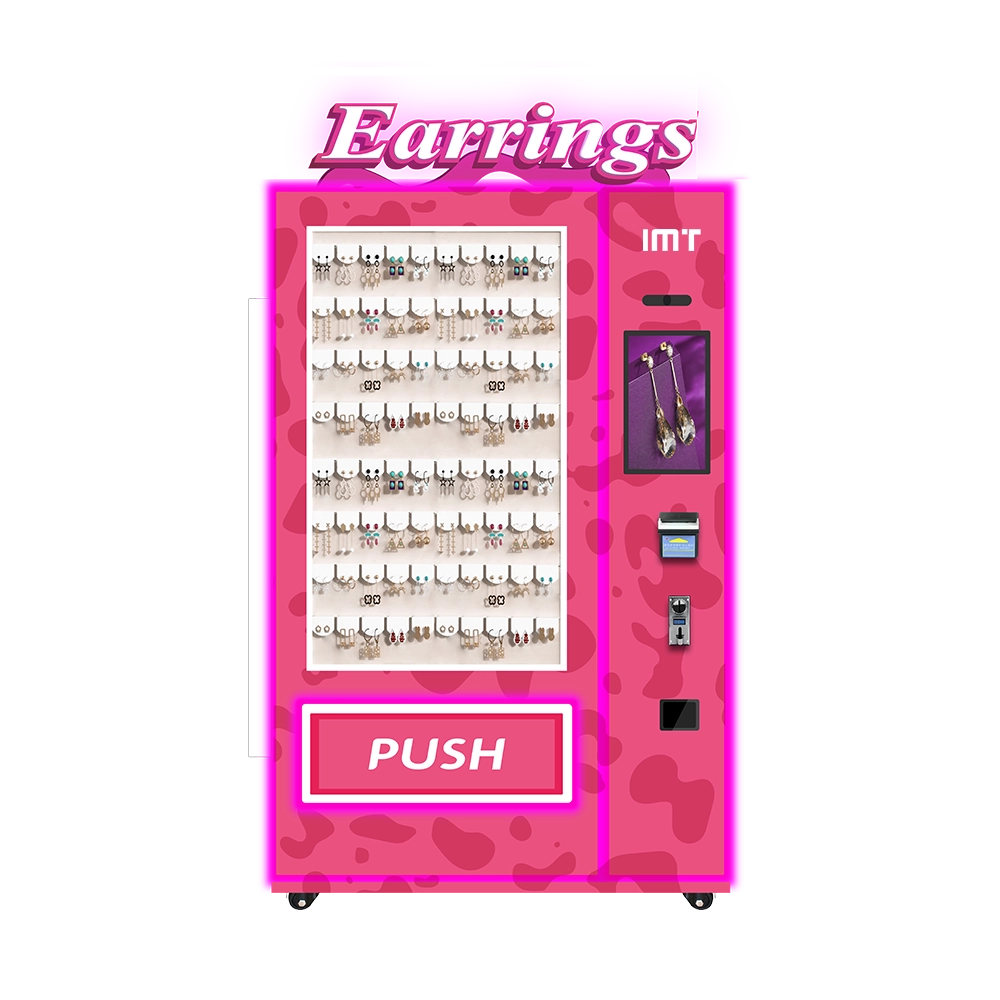
Featuring 60 versatile slots and a stunning 21.5-inch touch screen vending machine interface, it’s designed to showcase a wide range of items — from cosmetics to apparel. Whether you're looking for a reliable Beauty Vending Machine for sale or innovative clothing vending machines for sale, our high-tech model combines elegance and functionality to captivate customers and boost sales.
Elevate your retail business with this all-in-one vending solution. Explore the best touch screen vending machines for sale today and transform how customers discover beauty and fashion — anytime, anywhere.
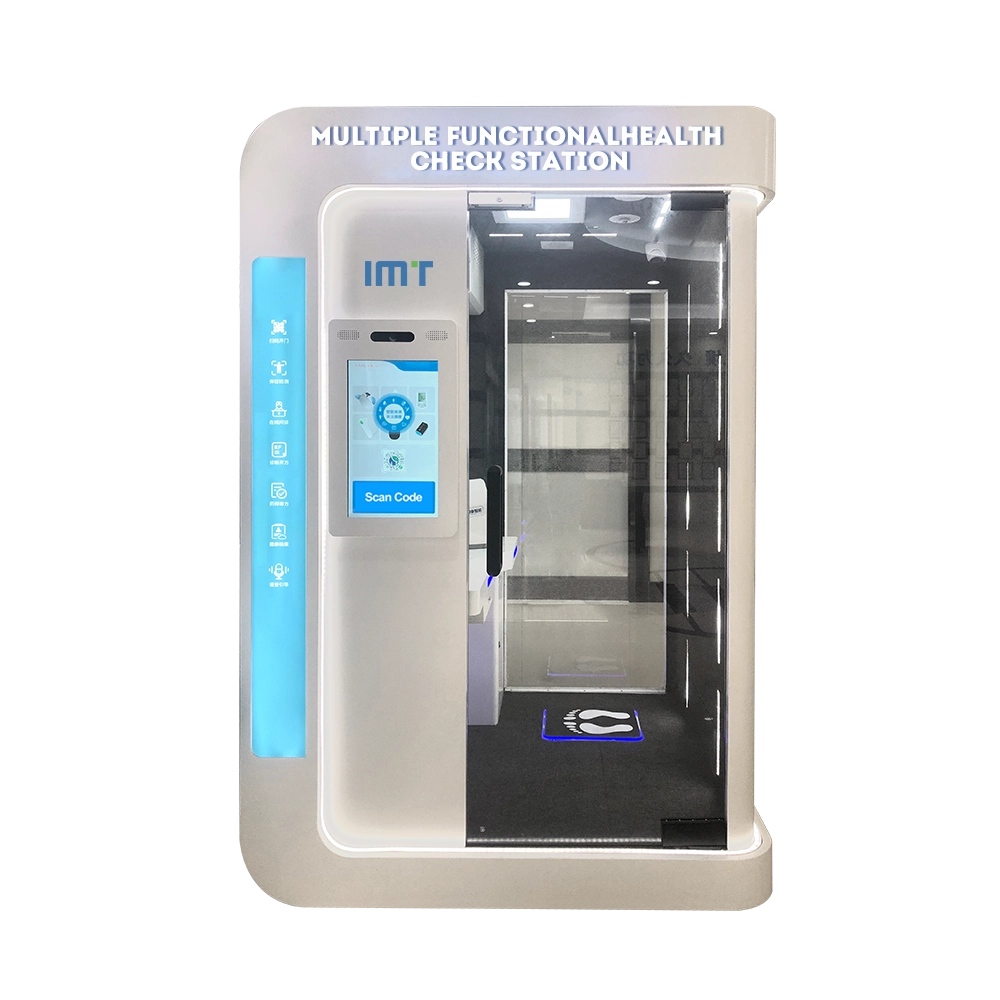
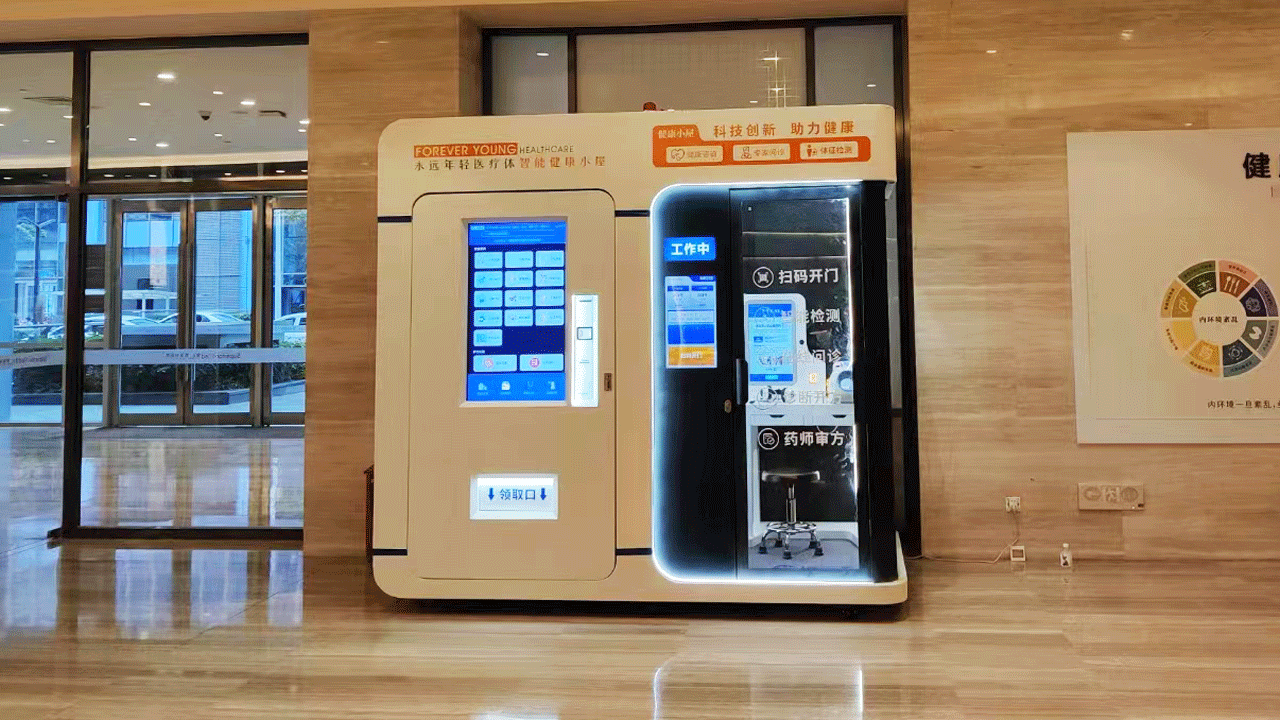
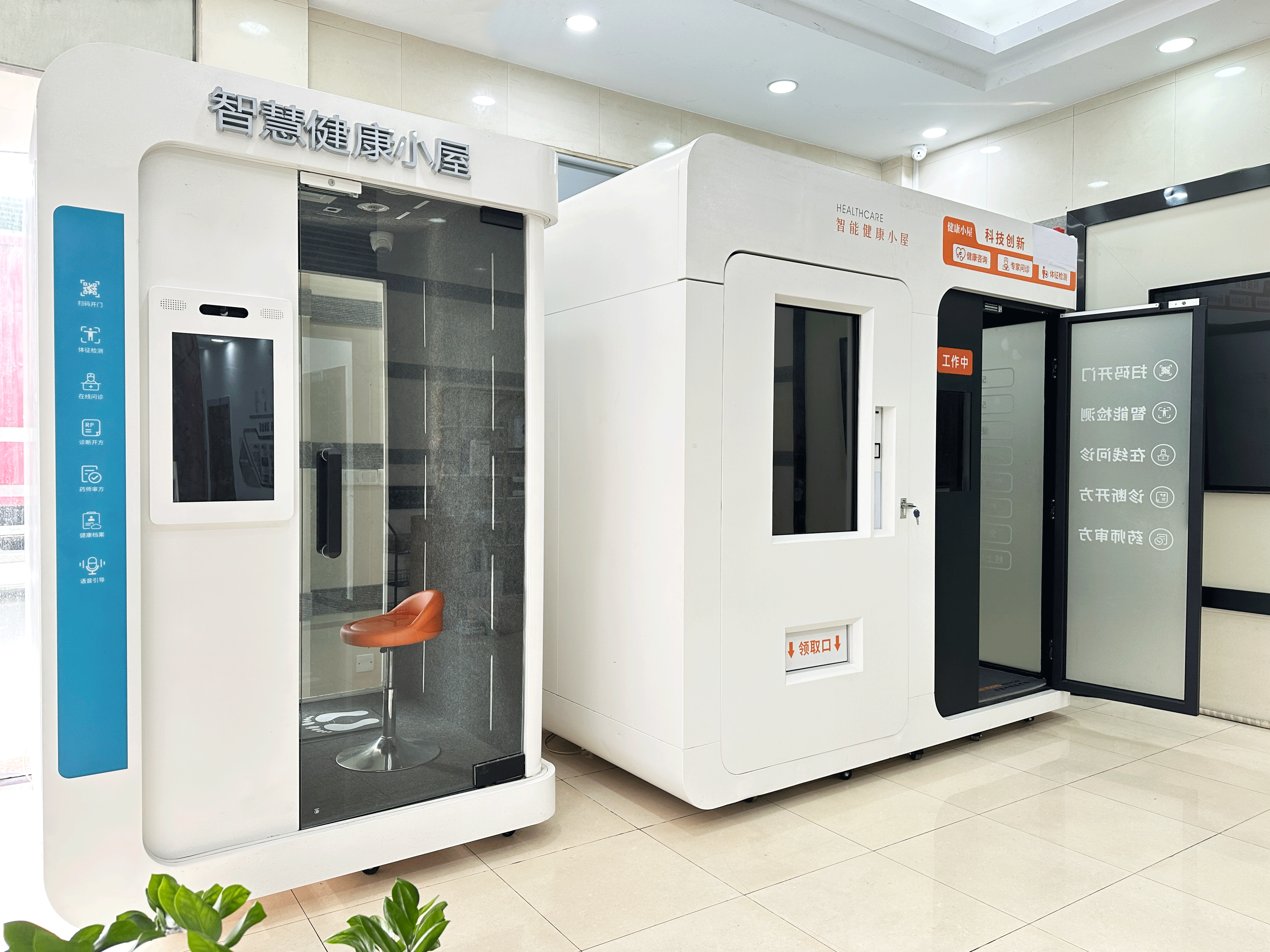
Introducing the 21.5-inch Screen Multiple Functional Health Check Station by IMT. This advanced health solution offers comprehensive check-up capabilities in a compact design. Streamline your health assessments with precision and ease, ensuring optimal wellness management. Enhance your healthcare environment with IMT's trusted technology.
Contact IMT
Start your custom project
If you would like to learn more about the customized options of hardware and software, or have any specific requirements, please feel free to contact us.
IMT will wholeheartedly provide you with personalized solutions to help your business development.
IMT, one of China's leading manufacturers of retail equipment.
IMT is a government-supported, high-tech, and specialized innovative enterprise that integrates system R&D, production, sales, and after-sales service.

IMT vending Machine
IMT vending Machine
IMT Vending Machine