

Starting a Flower Vending Machine Business: A Step-by-Step Guide for Entrepreneurs
Flower vending machines are emerging as a new trend in retail. This article provides a comprehensive startup guide covering the entire process from market location selection and hardware procurement (supporting ODM/OEM customization) to climate control preservation technology, smart payment systems, and supply chain management. Incorporating industry data (Grand View Research) and a successful case study from Berlin, it analyzes how to achieve fast return on investment and mitigate operational risks, empowering entrepreneurs to tap into the 24/7 automated flower retail market.
- Step 1: Research Your Local Market
- Step 2: Choose and Validate Your First Location
- Step 3: Select the Right Flower Vending Machine
- Refrigerated Storage
- Product Display
- Capacity and Bouquet Dimensions
- Payment Methods
- Remote Management
- Step 4: Prepare Your Startup Budget
- Step 5: Establish a Reliable Flower Supply Chain
- Step 6: Plan Replenishment and Daily Operations
- Step 7: Launch With a Pilot Location
- Step 8: Prepare for Long-Term Growth
- Common Mistakes to Avoid When Starting
- Frequently Asked Questions
- How much does it cost to start a flower vending machine business?
- Where should I place my first flower vending machine?
- Do I need a florist shop to operate a flower vending machine?
- What should I prepare before requesting a quotation?
- Should I buy several machines at once?
- Explore Flower Vending Machine Options for Your Project
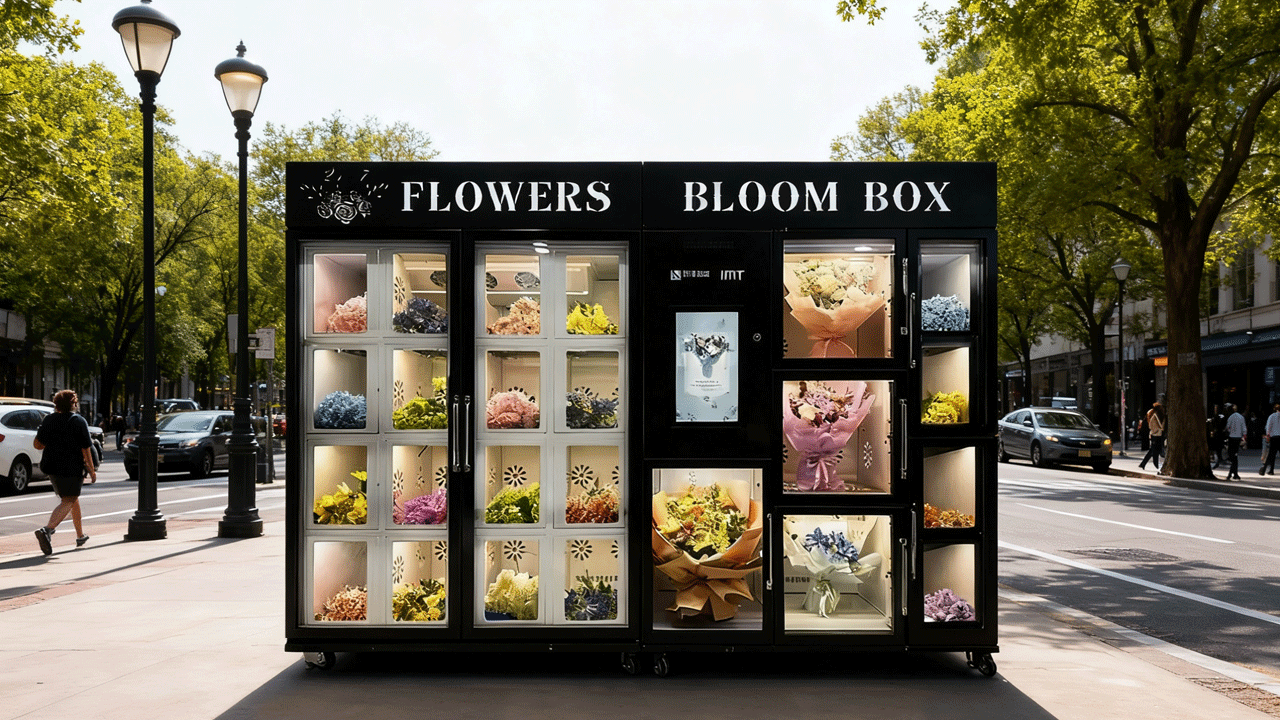
Starting a flower vending machine business can give florists, vending operators, and entrepreneurs another way to sell bouquets beyond traditional store hours. Instead of relying only on a staffed flower shop, operators can place automated retail machines in suitable locations and serve customers when they need a convenient way to purchase flowers.
However, buying a machine is only one part of starting the business. Before investing, you need to evaluate local demand, identify suitable locations, select the right equipment, establish a reliable flower supply, and plan how the machine will be maintained and replenished.
This step-by-step guide explains how to prepare for a flower vending machine business, from initial market research to your first operating location.
Step 1: Research Your Local Market
Start by identifying the customers who may buy flowers from an unattended retail machine. Potential customer groups include commuters, hospital visitors, hotel guests, office workers, residents, and people looking for last-minute gifts.
Research your local flower market before committing to a location or purchasing equipment.
Consider the following questions:
- Where do people currently buy flowers in your target area?
- Are nearby flower shops open during evenings, weekends, and holidays?
- Which occasions are likely to generate local demand?
- What bouquet sizes and price ranges are common in the area?
- Are there competitors offering convenient or automated flower purchases?
- Can you source fresh flowers consistently at a cost that supports your business model?
Visit potential locations at different times of the day and on different days of the week. Observe the type of visitors, their reasons for being there, and whether the site provides a practical opportunity for flower purchases.
A busy location is not automatically a profitable one. The key is to identify people who have both a reason and an opportunity to buy flowers.
Step 2: Choose and Validate Your First Location
Location affects customer visibility, purchasing convenience, operating costs, and the amount of work required to replenish the machine.
Potential locations include:
- Shopping malls and retail centers
- Train stations and transportation hubs
- Hotels and hospitality venues
- Office buildings and business districts
- Residential communities
- Hospitals and medical facilities, where permitted
- University campuses and other suitable public-facing venues
Evaluate each site using a consistent checklist. Consider customer demand, foot traffic, visibility, competition, rent or revenue-sharing fees, electricity access, installation restrictions, security, and access for restocking.
You should also discuss the proposed installation with the property owner or site manager. Confirm whether vending equipment is permitted, what approvals may be required, and who is responsible for electricity, cleaning, maintenance, and access.
Before signing a long-term agreement, estimate your expected sales and operating costs. Where possible, negotiate a trial period or another arrangement that allows you to test the location before making a larger commitment.
Step 3: Select the Right Flower Vending Machine
A flower vending machine should be suitable for the bouquets you intend to sell and the conditions at your installation site. Standard vending equipment may not provide the storage and display configuration required for fresh flowers.
When comparing commercial machines, pay attention to the following features.
Refrigerated Storage
Ask about the temperature range, adjustment options, insulation, and recommended operating conditions. Confirm that the storage configuration is suitable for your flower varieties and the environment in which the machine will operate.
Product Display
Customers need to see the bouquets clearly before making a purchase. Review the display layout, lighting, glass visibility, and available product compartments. In warm or humid environments, ask how condensation is managed.
Capacity and Bouquet Dimensions
Consider how many bouquets you plan to stock and the dimensions of each product. Ask the manufacturer to confirm the usable capacity for your actual bouquet sizes instead of relying only on a general slot count.
Payment Methods
Payment requirements vary by country and customer group. Confirm which payment methods are supported, whether local payment-provider integration is available, and whether additional hardware or configuration is required.
Remote Management
Depending on the system, remote management may help operators review sales data, inventory information, and equipment status. Ask the manufacturer to demonstrate the actual software functions and explain any recurring fees or technical requirements.
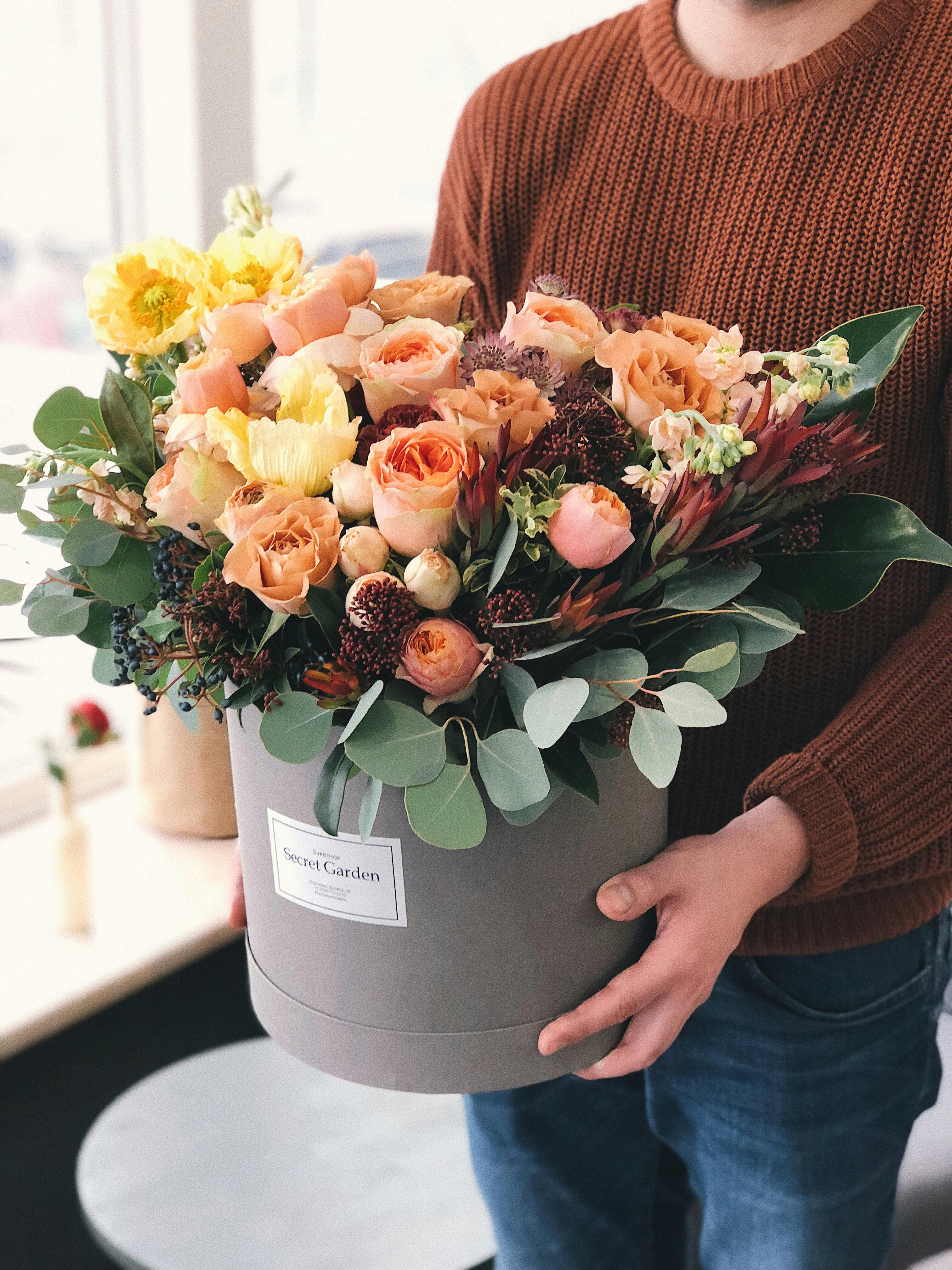
For an initial equipment comparison, review the IMT flower vending machine range. Compare the available configurations against your location, bouquet sizes, payment needs, and operating plan before requesting a quotation.
Step 4: Prepare Your Startup Budget
The machine price is only one part of the initial investment. Prepare a budget that includes both setup costs and ongoing operating expenses.
Your startup budget may include:
- Flower vending machine and selected options
- Custom branding or other customization
- Shipping, insurance, and applicable import charges
- Site preparation and installation
- Payment hardware or integration
- Initial flower inventory and packaging
- Business registration or local approvals, where required
- Initial marketing and promotional materials
You should also estimate recurring costs, including rent or site commissions, flower purchases, delivery, electricity, payment processing, cleaning, maintenance, staff time, and unsold inventory.
Create a financial model using conservative, expected, and optimistic sales scenarios. Estimate how many bouquets you need to sell to cover the fixed and variable costs of operating the machine.
Do not rely on a generic industry revenue estimate or a guaranteed payback period. Actual results depend on the machine investment, local selling prices, site costs, flower sourcing, sales volume, and product losses.
Step 5: Establish a Reliable Flower Supply Chain
Freshness and consistent product quality are essential to an automated floral retail business. Before launch, identify suppliers who can provide the flowers and bouquet styles that fit your target market.
You may source flowers from local farms, wholesalers, distributors, or an existing floral business. Compare product quality, purchasing costs, delivery frequency, minimum order quantities, and the supplier's ability to meet seasonal demand.
Plan the bouquet preparation process as well. Consider the size and shape of each bouquet, packaging requirements, product labeling, and how bouquets will fit inside the machine.
Start with a manageable product range rather than filling every compartment with different styles. A focused assortment can make purchasing, preparation, stock rotation, and sales analysis easier during the initial launch.
Keep records of purchase costs, delivery dates, quantities stocked, sales, and products removed from the machine. These records can help you identify which suppliers and products work best.
Step 6: Plan Replenishment and Daily Operations
A vending machine still requires a clear operating process, even when sales are automated.
Before launch, decide who will prepare bouquets, transport them to the site, replenish stock, inspect product quality, clean the machine, and respond to equipment issues.
Create a routine for checking:
- Remaining inventory and popular products
- Bouquet appearance and freshness
- Storage conditions and equipment status
- Payment and purchasing functions
- Cleaning and general machine condition
- Unsold or damaged products that need to be removed
The replenishment schedule should reflect actual sales and the usable sales window of the flowers. A busy site may require more frequent visits, while a lower-demand location may need a different product mix or stocking level.
Where remote monitoring is available, use it to support replenishment planning. However, do not rely on software alone to assess the physical quality of flowers.
Step 7: Launch With a Pilot Location
For a first project, consider testing one machine or a small number of machines before expanding.
A pilot allows you to evaluate the location, customer response, product mix, pricing, replenishment routine, and maintenance requirements using real operating data.
During the pilot, track:
- Daily and weekly sales
- Number of transactions
- Average transaction value
- Sales by bouquet type
- Flower purchasing costs
- Unsold inventory and product losses
- Site fees and other operating expenses
- Replenishment time and frequency
- Equipment or payment issues
Review the results regularly. If sales are below expectations, investigate whether the issue relates to location quality, visibility, bouquet selection, pricing, customer awareness, or operating reliability.
Make adjustments based on the evidence rather than purchasing more machines before the first location has been properly evaluated.
Step 8: Prepare for Long-Term Growth
Once the first location demonstrates a workable operating model, consider whether the same approach could be used at other sites.
Expansion should be based on repeatable processes. Before adding machines, make sure you can maintain flower quality, replenish inventory on time, manage operating costs, and provide technical support when needed.
You may also need a centralized process for bouquet preparation, stock planning, reporting, and maintenance. The appropriate setup will depend on the number of machines, the distance between locations, and the resources available to your business.
Build a clear record of what works at your first location. Use it to guide site selection, machine configuration, product planning, and financial forecasts for future locations.
Common Mistakes to Avoid When Starting
Choosing a location based only on foot traffic. Evaluate customer demand for flowers, not just the number of people passing the machine.
Buying equipment before defining the business model. Decide what you will sell, who your customers are, and how you will replenish inventory before selecting a configuration.
Stocking too many bouquet varieties at launch. Start with a manageable assortment and use actual sales to refine your product range.
Underestimating flower losses. Include unsold or damaged inventory in your financial model and review stock rotation regularly.
Ignoring local requirements. Confirm site permissions, payment compatibility, import requirements, and other applicable rules before placing an order.
Expanding too quickly. Validate the first location and establish repeatable operations before investing in a larger network.
Frequently Asked Questions
How much does it cost to start a flower vending machine business?
The total investment depends on the machine configuration, shipping, installation, site fees, initial flower inventory, and other setup requirements. Prepare a project-specific budget and request a quotation based on your intended configuration.
Where should I place my first flower vending machine?
Potential locations include shopping malls, hotels, transportation hubs, office buildings, residential communities, and hospitals where permitted. Evaluate customer demand, site costs, visibility, access, and replenishment logistics before choosing.
Do I need a florist shop to operate a flower vending machine?
Not necessarily. Some operators may work with local flower suppliers or wholesalers, while existing florists may use a vending machine as an additional sales channel. The best arrangement depends on your supply chain, product quality requirements, and operating resources.
What should I prepare before requesting a quotation?
Prepare your target country, intended site, bouquet dimensions, expected capacity, preferred payment methods, branding requirements, and any software or management needs. This information helps the manufacturer assess the appropriate configuration.
Should I buy several machines at once?
For a first-time operator, validating a location and operating process before expanding can help reduce investment risk. The appropriate number of machines depends on your experience, resources, and evidence of local demand.
Explore Flower Vending Machine Options for Your Project
Starting an automated floral retail business requires a suitable location, reliable flower sourcing, a practical operating process, and equipment that matches your requirements.
Review the IMT flower vending machine range to compare available configurations and discuss your project requirements with the IMT team before making a purchasing decision.
Blind Box Vending Machine Business: A Complete Guide for New Operators
Best Products to Sell in a Lucky Box Vending Machine
Best Locations for Lucky Box Vending Machines: Where Should You Install One?
Vending Machine Manufacturers in the USA vs. China: How to Choose a Supplier
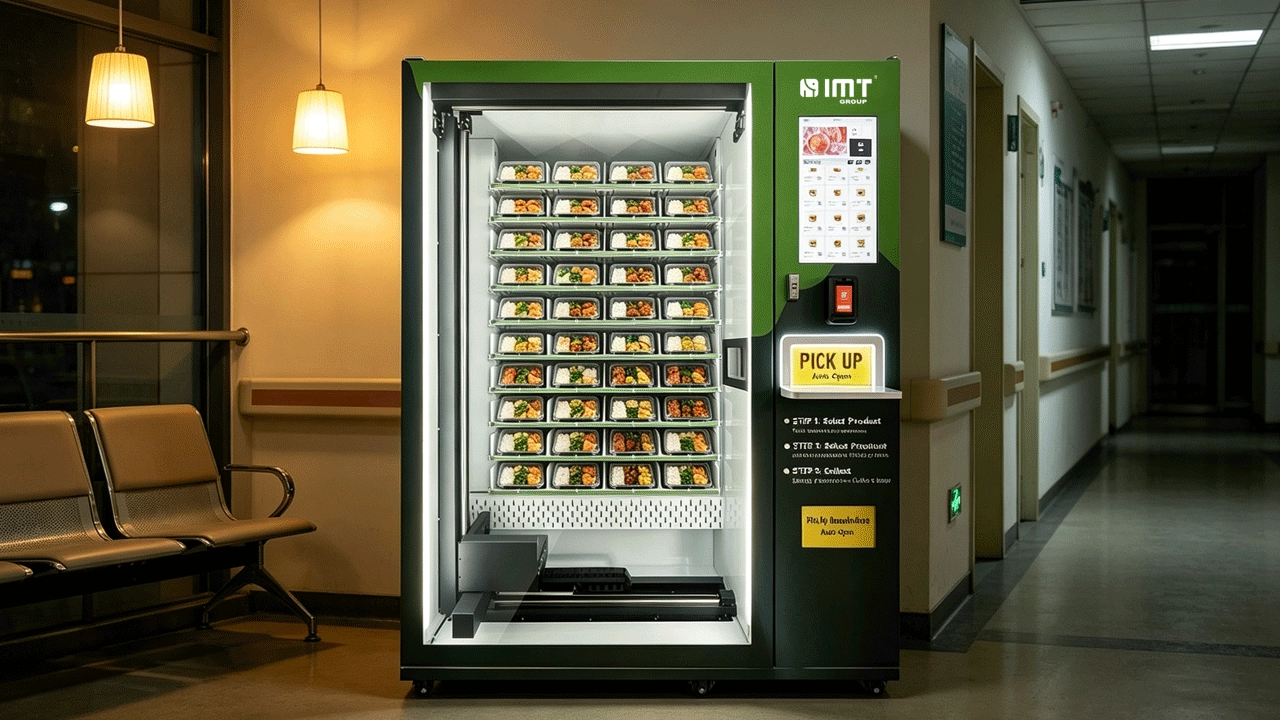
Healthy Food Vending Machine Solutions for Modern Workplaces
For Factory
Where is your factory?
We are located in Guangzhou City, Guangdong Province.Warmly welcome to visit us.
What is the life time of your Vending Machine?
15 years at least.
What is the brand of compressor used in refrigerated vending machines?
We use Embraco,imported from Brazil.
How about the warranty and after-sales services?
The product is guaranteed up to one year from purchased.We have professional after-sales team,About technical problem,our after-sales engineer will reply within 12 hours.
What shall l do if the machine has some problems?
(1) Our engineer will support by video call.
(2) We have operation videos, basic trouble shooting videos so that you can solve it in time.
Learn More About Our Vending Machines
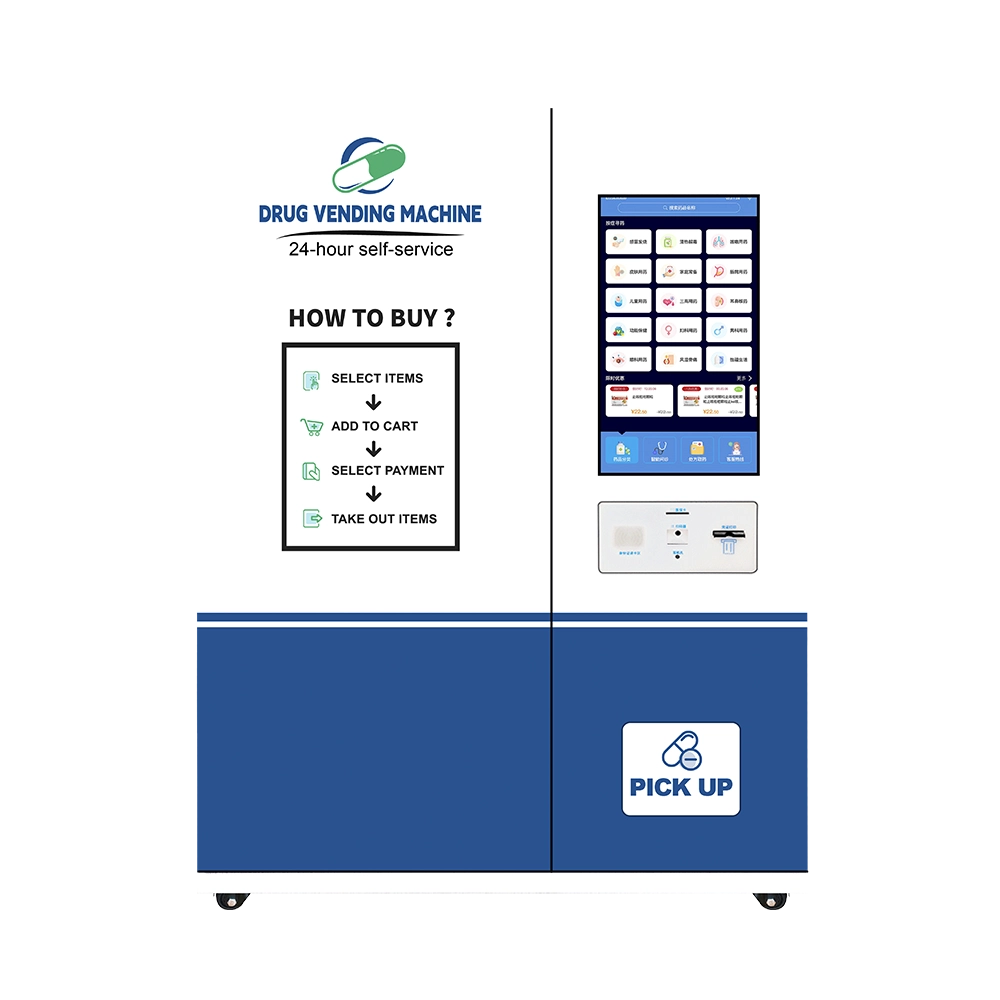
Introducing the IMT 369 Slots 32" Screen Pharmaceutical Vending Machine, your advanced solution for safe and efficient medication dispensing. With real-time temperature and humidity control, this innovative pharmacy vending machine ensures optimal storage, making it a must-have. Discover the future of healthcare with our pharmaceutical vending machine for sale!
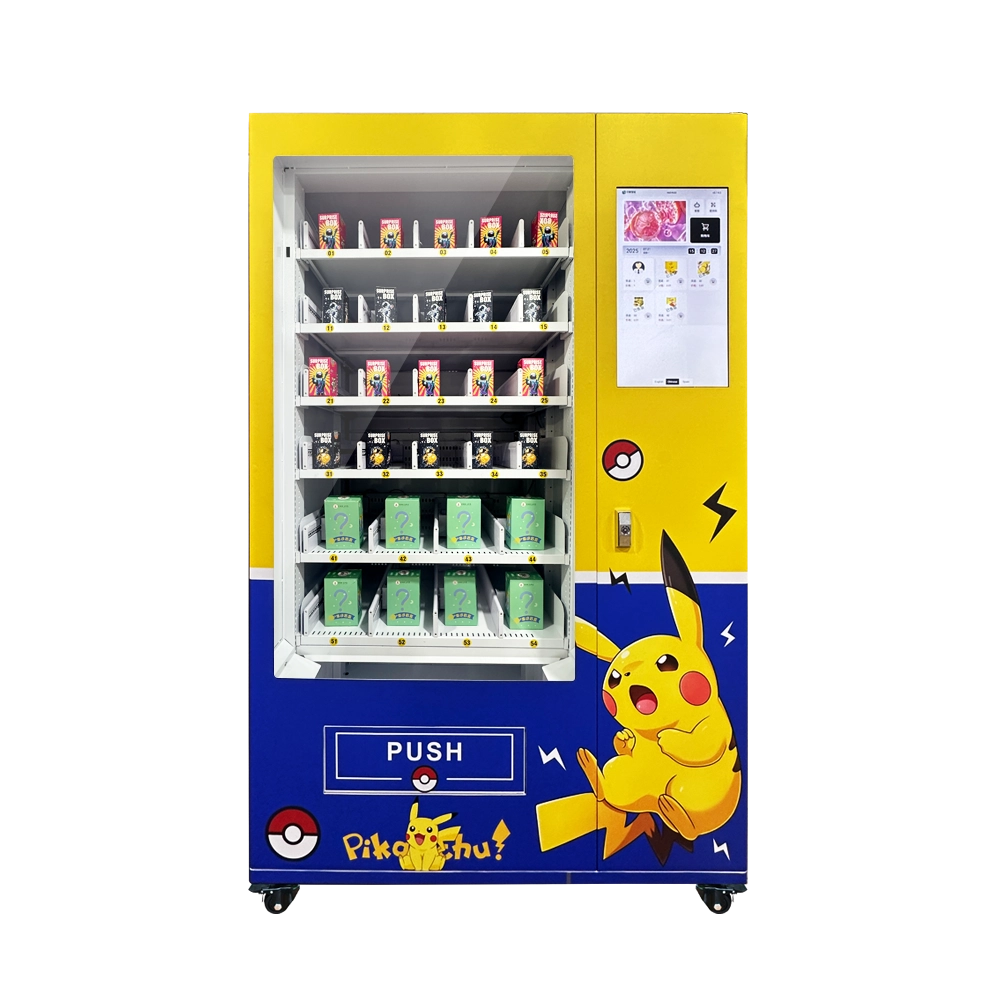
Discover the IMT 21.5-inch Pokemon Vending Machine. Designed for high-traffic venues including shopping malls, pedestrian streets, hotels, schools, zoos, amusement parks, and more. Contact us today to revolutionize your business with cutting-edge technology and sleek design.
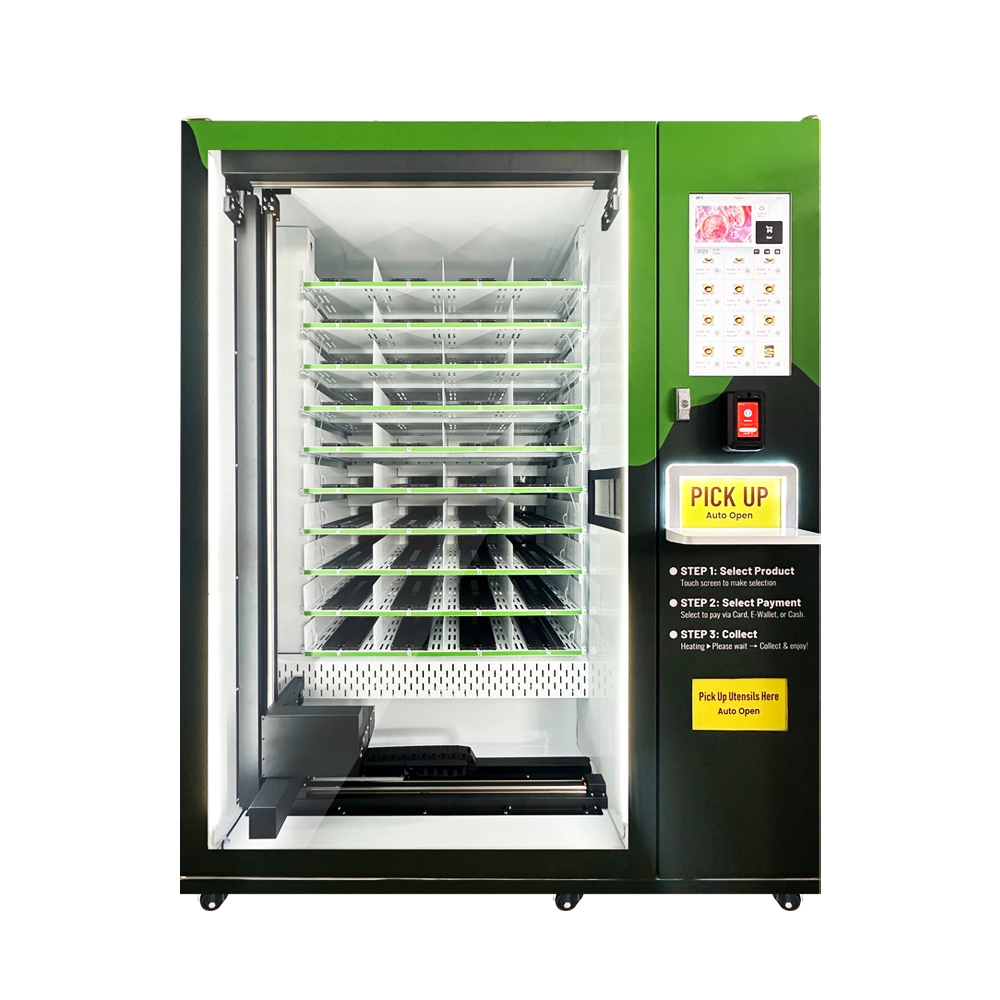
This 21.5-inch healthy food vending machine is designed for selling ready-to-eat meals in commercial locations. It features microwave heating, a built-in utensil compartment and an independent elevator delivery system. Suitable for selected meal packages and other compatible products, it can be configured for workplaces, factories, transport hubs and tourist attractions. Contact IMT to confirm product compatibility and available options.
Contact IMT
Start your custom project
If you would like to learn more about the customized options of hardware and software, or have any specific requirements, please feel free to contact us.
IMT will wholeheartedly provide you with personalized solutions to help your business development.
IMT, one of China's leading manufacturers of retail equipment.
IMT is a government-supported, high-tech, and specialized innovative enterprise that integrates system R&D, production, sales, and after-sales service.
© 2026 imt. All Rights Reserved.
FOLLOW US:

IMT vending Machine
IMT vending Machine
IMT Vending Machine
IMT Vending Machine
IMT vending machine
Carey IMT