Driven by the dual forces of instant retail and the "self-pleasing economy," beauty vending machines are transforming from a novel concept into a new growth point for physical beauty stores and investors. For physical beauty shops looking to break free from business hour restrictions, and for investors seeking entry points into high-traffic scenarios, understanding the profit logic of this model is crucial. This article combines the latest industry data to provide an in-depth analysis of the investment value of beauty vending machines from five dimensions: core influencing factors, placement locations, operational suggestions, industry trends, and risk control.
I. Core Influencing Factors: Where Does the Profit Come From?
1. Market Size and Profit Margin Benchmark
According to market research data, the global beauty vending machine market was valued at approximately $1.24 billion in 2024 and is projected to reach $3.93 billion by 2033, exhibiting a compound annual growth rate as high as 11.8% from 2024 to 2033. This growth rate far exceeds that of traditional beauty retail formats, demonstrating strong market demand.
Beauty products possess high added value and significant pricing power. A beauty vending machine located in a prime area, through reasonable pricing strategies and inventory management, can achieve gross profit margins between 48% and 60%. Industry reports indicate that the average gross margin for beauty vending machines is significantly higher than that of traditional snack or beverage vending machines (which typically range from 30% to 40%). After deducting location rental, maintenance, and restocking costs, the net profit margin usually stabilizes between 20% and 35%. Some machines in high-traffic shopping malls can achieve monthly sales ranging from $500 to $2,500.
2. In-Depth Breakdown of Cost Structure
Investing in a beauty vending machine requires a comprehensive understanding of the cost components:
Equipment Cost: The price of high-quality beauty vending machines varies considerably. Basic configuration machines range from $3,000 to $5,000, while high-end models equipped with large touchscreens, smart temperature control systems, and IoT functionalities can cost upwards of $20,000. Smart vending machines with virtual try-on features have a higher investment threshold due to their advanced technology.
Location Commission: Placing machines in high-traffic private venues (such as shopping malls, airports) typically requires paying 10% to 25% of revenue as commission. A fixed rental model is also common for prime locations, and the optimal cooperation mode should be chosen based on estimated sales.
Operating Costs: This includes electricity consumption, labor costs for regular restocking, and equipment maintenance fees. It is worth noting that beauty vending machines avoid the rent and sales staff costs of physical stores, which is their core advantage.
Product Spoilage: Although beauty products have a longer shelf life than general products, issues like sun protection and moisture resistance still need attention. Some skincare products containing active ingredients may deteriorate if stored improperly. Spoilage rates need to be controlled at a reasonable level through intelligent monitoring and precise restocking.
"Location" is critical to the success or failure of a beauty vending machine. Unlike functional products, beauty purchases are strongly emotion-driven and impulsive, so placement must precisely target the intended audience.
Analysis of Key Locations
Shopping Malls: This is the most natural application scenario. High foot traffic and consumers' shopping mindset make beauty products ideal for impulse purchases. These venues offer maximum visibility and cater to instant touch-up or gift needs.
Airports and Transportation Hubs: In busy transportation hubs, travelers can purchase beauty products for friends, family, or themselves. High passenger traffic makes airports a prime location for beauty vending machines. Data shows that beauty vending machines in transportation hubs effectively increase impulse purchases by travelers. For airport scenarios, it is recommended to focus on travel-sized products and exclusive duty-free sets.
Fitness Centers and Yoga Studios: Capture the instant needs of post-workout consumers. Many people wish to quickly replenish skincare products or do simple touch-ups after exercising. Placing machines near locker room exits or reception areas precisely targets health and appearance-conscious consumers.
Hotels and Spas: Provide guests with a convenient, luxurious experience, meeting their immediate needs for beauty essentials. High-end hotels often have higher average transaction values, making them suitable for premium skincare and bath products.
Shared Office Spaces and Co-working Spaces: These areas concentrate young professionals with instant needs for personal image management. Products like hair care items, dry shampoo, and deodorants are particularly in demand during overtime hours.
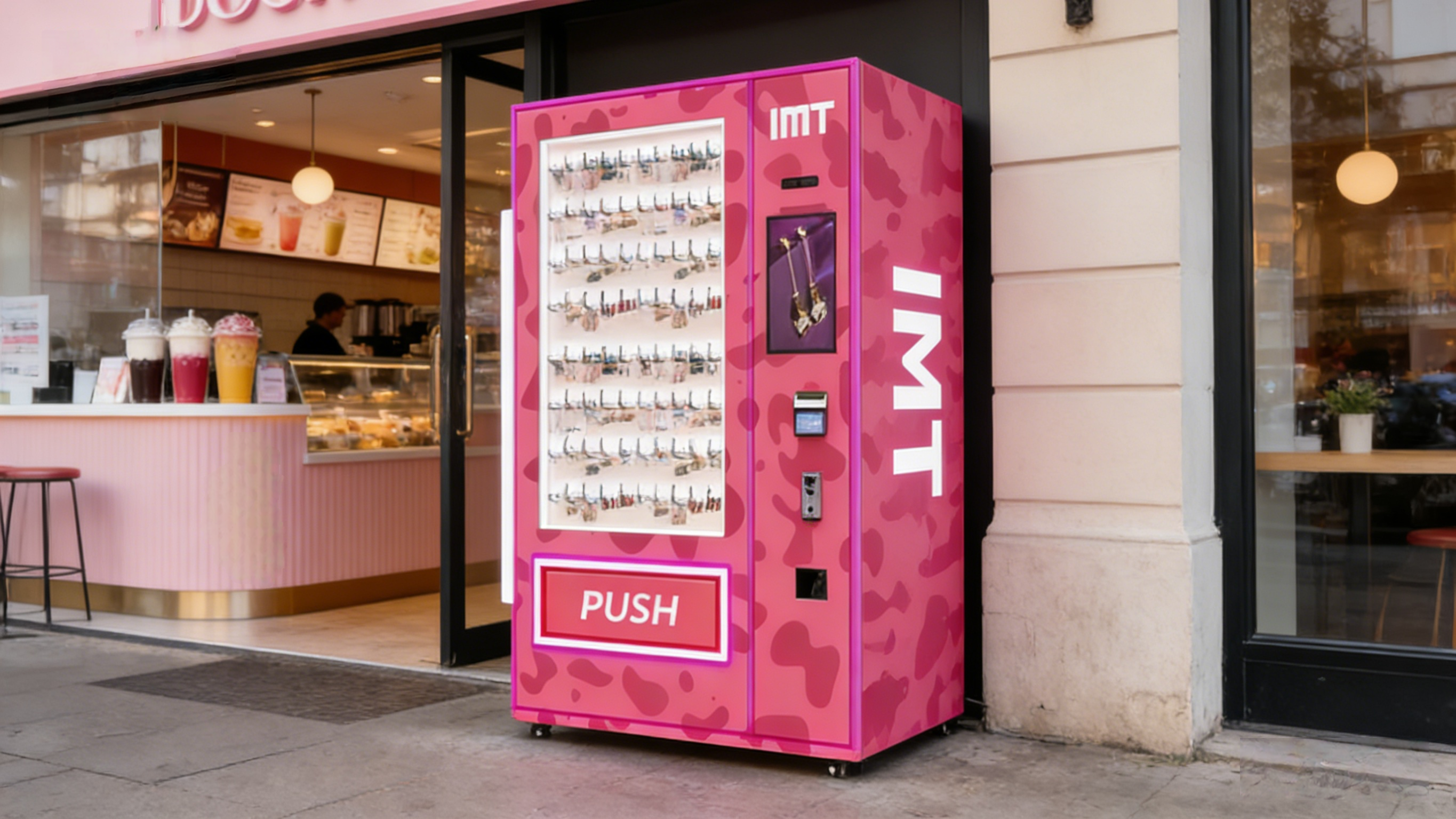
Outside Physical Beauty Stores: This is the most stable and controllable configuration. Placing a machine outside an existing beauty store naturally extends business hours, reinforces the brand image, and allows for convenient restocking through the back door. Even during daytime business hours, it can generate additional sales—as some customers prefer the quick self-service experience.
III. Refined Operational Suggestions: Bringing the Machine to "Life"
A good location requires meticulous management to maximize the return on investment of a beauty vending machine.
1. Enhancing User Experience with Technology
Smart Temperature Control System: Some beauty products are sensitive to temperature. If selling masks that need refrigeration or skincare products with active ingredients, the machine must maintain an appropriate temperature. Choose equipment with precise temperature and humidity regulation functions to ensure product quality.
Cashless Payments: Supporting credit cards, Apple Pay, mobile wallets, and other electronic payments is standard. Data shows that electronic payments account for over 60% of beauty vending machine transactions. Consumers in metropolitan areas prefer contactless purchasing methods, which directly drives the rise of self-service beauty vending systems.
Remote Monitoring System: Modern smart vending machines are equipped with IoT systems for real-time monitoring of sales data, inventory status, and fault alerts. Using vending machine management software to monitor inventory in real-time and set low-stock alerts can significantly improve operational efficiency.
2. Product Customization and Data-Driven Decisions
Tailored Product Selection: Observe the demographic characteristics of different locations—stock basic skincare and oral care products in office buildings; focus on deodorants and dry shampoo in gyms; emphasize high cost-performance makeup on university campuses. Pay attention to social media analysis to identify current trends and adjust product selection promptly.
Brand Portfolio Strategy: Combine well-known brands with emerging trendy brands (like Glossier, E.L.F., Korean beauty products) to both build trust and attract young consumers seeking novelty.
Seasonal Adjustments: Prepare inventory in advance and increase restocking frequency during holidays, peak travel seasons, and back-to-school periods. Adjust product mixes to suit festive or travel needs.
3. Hygiene and Maintenance
Beauty vending machines involve personal care products, making hygiene and freshness preservation critical:
Regular Cleaning: Clean internal and external parts weekly, wipe down glass display panels to maintain machine appeal. Pay special attention to hygiene for machines offering testers.
Timely Replenishment: Check product expiration dates during each restocking, remove soon-to-expire or expired items to avoid affecting the overall image.
Technical Maintenance: Regularly inspect key components such as the payment system and display screen. Establish contact with suppliers or service providers to ensure quick repairs.
IV. Industry Trends: Standing at the Forefront in 2026
In 2026, the vending machine industry is undergoing intelligent transformation, bringing significant opportunities for beauty vending machines.
1. Deep Integration of Intelligence and IoT
AI Demand Forecasting: Artificial intelligence can analyze weather, time of day, and local events to predict sales, optimize restocking plans, and reduce spoilage and labor costs.
Proliferation of Remote Monitoring: 56% of retail spaces have integrated IoT smart devices, and 33% of global transportation hubs use intelligent vending equipment.
Personalized Customization: Innovative cases like the Kate iCon Box demonstrate a new level for beauty vending machines—analyzing consumer characteristics through facial recognition to recommend personalized product combinations, making customers feel understood and valued.
2. Rise of Brand Collaboration and Sampling Marketing
Brand-Dedicated Vending Machines: Some retailers have launched pilot programs introducing smart vending machines in stores, allowing members to collect free travel-sized products weekly. Such machines not only boost会员 registration but also provide a fun and convenient product trial experience.
Sampling Distribution Channel: Beauty brands are increasingly using vending machines as an innovative channel for sampling, collecting consumer data while enhancing brand loyalty.
3. Rise of Sustainable Practices
Machine designs are trending towards reducing energy consumption and using eco-friendly materials, aligning with global environmental concerns. If freshness and eco-friendly packaging are guaranteed, Gen Z consumers are more willing to buy beauty products from vending machines.
V. Risk Elimination: Avoiding Common Investment Pitfalls
While the market has broad prospects, blindly entering it may lead to losses. Here are key risks to watch for and corresponding countermeasures.
Risk 1: High Equipment Cost and Unreliable Quality
Hidden Danger: Cheap machines may have incompatible payment systems, unstable temperature control, frequent malfunctions, leading to soaring maintenance costs and poor consumer experience.
Countermeasure: Choose brands with CE/FCC certification and good after-sales support, focusing on the reliability of the temperature control system and remote monitoring functionality. Consider purchasing 1-2 sample machines for testing before bulk purchasing to verify performance.
Risk 2: Ignoring Site Traffic Quality and Cost Structure
Hidden Danger: Traffic doesn't always equal sales. Prime locations like airports and stadiums may demand commissions exceeding 25%, severely eroding profits. Meanwhile, some operators cite maintenance and product shelf-life challenges as major obstacles.
Countermeasure: Conduct on-site inspections before signing contracts to assess the target customers' purchasing power and actual needs. Use the formula "foot traffic × conversion rate × average transaction value" to estimate daily revenue and negotiate a reasonable revenue share with the location provider. If necessary, sign short-term trial operation agreements to test location effectiveness.
Risk 3: Poor Supply Chain and Spoilage Management
Hidden Danger: Although beauty products are more durable than flowers, trends change rapidly, potentially leading to slow-moving inventory. Certain skincare products with active ingredients have high storage environment requirements; improper storage may lead to quality degradation.
Countermeasure: Cooperate with multiple local suppliers and use IoT systems to set inventory warning levels. Establish standardized restocking procedures and train staff on proper product handling and storage. Sales data shows that high-traffic locations can support refined restocking management.
Risk 4: Neglecting Compliance and Regulatory Requirements
Hidden Danger: Different regions have specific regulatory requirements for vending machines, including electrical safety certification, hygiene standards, and product labeling compliance. Personal care products involve sensitive body contact, making consumers more demanding regarding product safety. Neglecting compliance can lead to fines or forced removal.
Countermeasure: Understand local regulations in advance and ensure equipment meets certification requirements. All products must be correctly labeled with ingredient lists, allergen warnings, and usage instructions. Purchase liability insurance to guard against potential product safety complaints. Conduct regular compliance checks and keep relevant documents for reference.
Beauty vending machines, as an important link connecting instant retail and beauty consumption, demonstrate strong market potential in 2026. With the global automated beauty vending machine market projected to reach $4.22 billion by 2033 at 12.7% CAGR , and gross margins ranging from 48-60% for well-operated machines , the opportunity is substantial. Through precise location selection, meticulous operational management, and keen insight into industry trends, investors and physical beauty stores are fully capable of obtaining considerable returns in this emerging channel. The key lies in: conducting thorough market research, choosing reliable equipment, controlling cost structures, and always maintaining sensitivity to consumer needs.

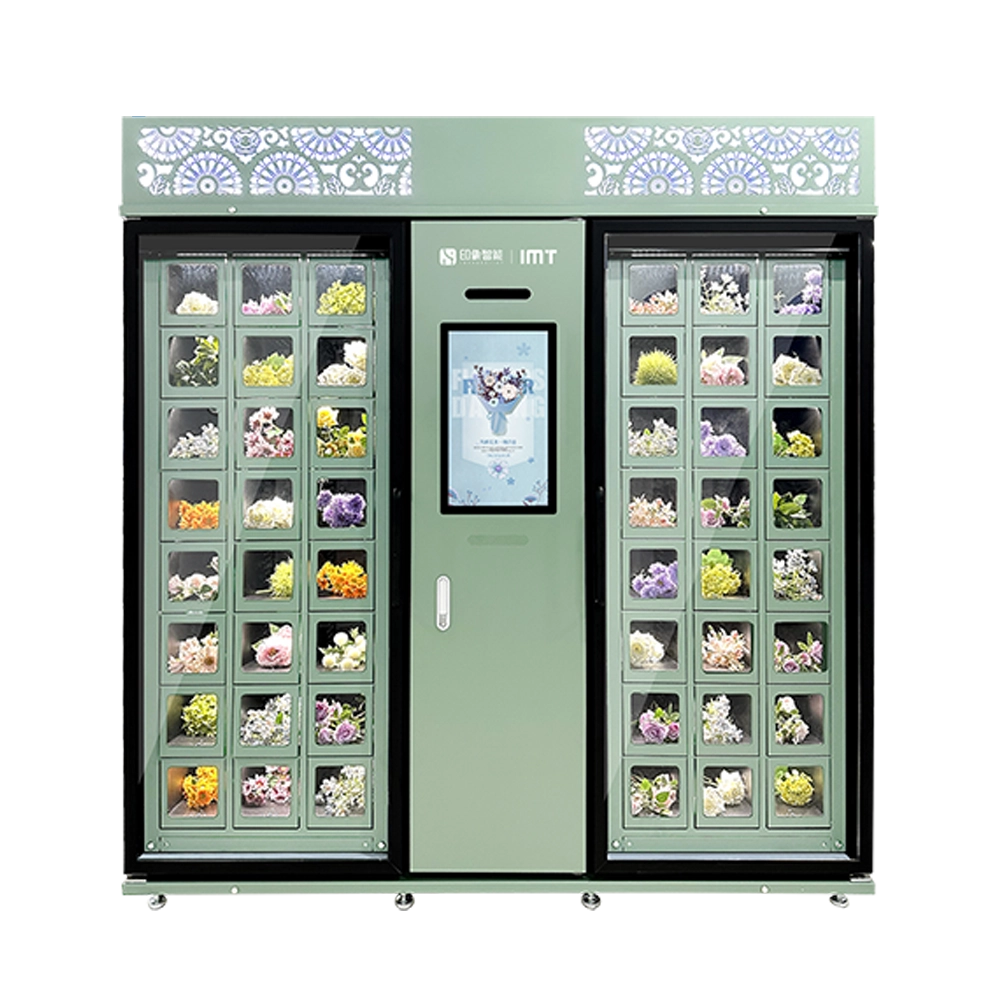
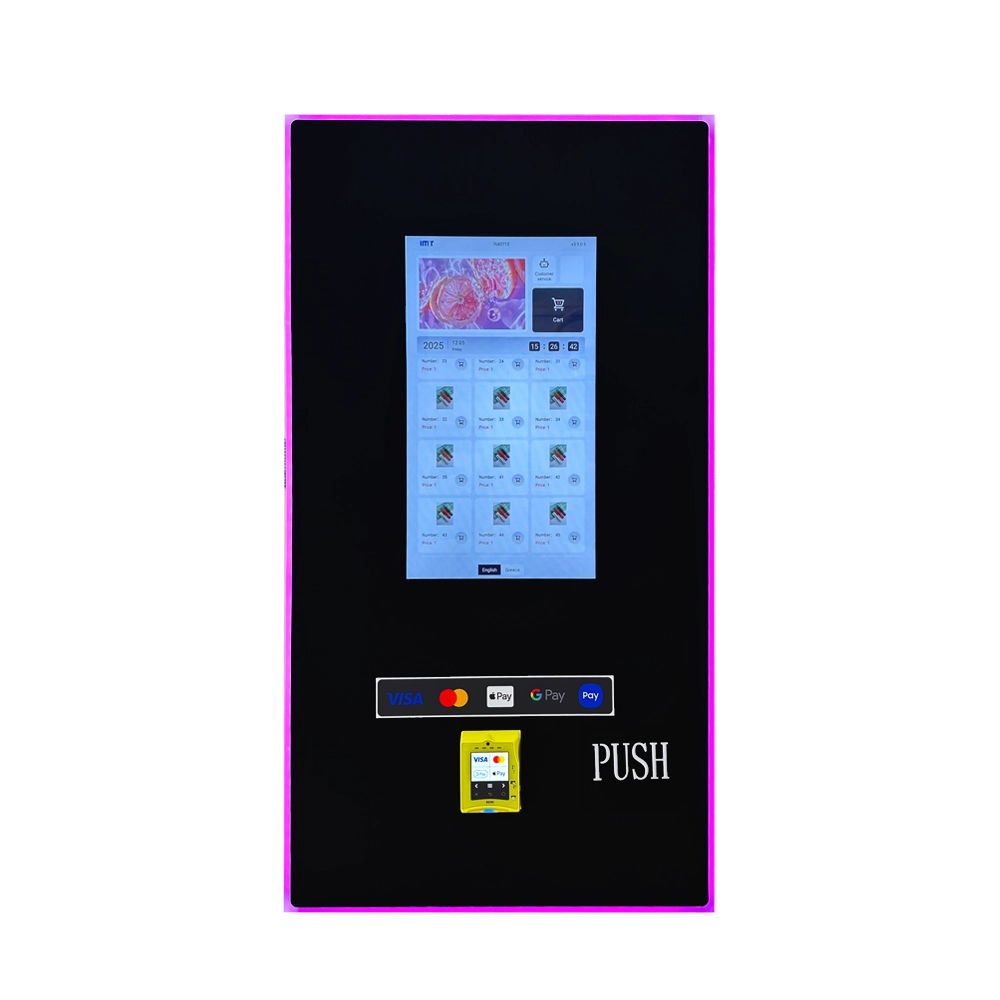

IMT vending Machine
IMT vending Machine
IMT Vending Machine