Integrating Pharma Vending Machines with EHR Systems
- Integrating Pharma Vending Machines with EHR Systems
- Why integrate pharmaceutical vending machines with EHR systems?
- Core technical approaches for integrating pharmaceutical vending machines
- Comparison of common integration approaches
- Typical data flows and clinical use cases for pharmaceutical vending machines
- Security, privacy and regulatory considerations
- Operational best practices for healthcare organizations
- How to choose the right pharmaceutical vending machines vendor
- About IMT: smart vending solutions for integrated care
- IMT competitive strengths relevant to EHR integration
- Deployment roadmap: a practical step-by-step plan
- Cost and ROI considerations for pharmaceutical vending machines integration
- FAQ — Common questions about integrating pharmaceutical vending machines with EHRs
- Q1: Can pharmaceutical vending machines support controlled substances?
- Q2: What EHR standards should I require from a vending machine vendor?
- Q3: How long does an integration project typically take?
- Q4: How is patient privacy protected?
- Q5: Do pharmaceutical vending machines work for outpatient and inpatient settings?
- Contact IMT or view our pharmacy vending products
- References
Integrating Pharma Vending Machines with EHR Systems
Pharmaceutical vending machines are evolving from standalone dispensers into connected clinical endpoints. Integrating these devices with Electronic Health Record (EHR) systems turns them into extensions of the medication-delivery workflow — improving medication safety, ensuring accurate documentation, simplifying inventory reconciliation, and reducing administrative overhead. This guide explains the technical approaches, compliance considerations, operational best practices, and vendor-selection criteria to successfully integrate pharmaceutical vending machines with EHRs.
Why integrate pharmaceutical vending machines with EHR systems?
Connecting pharmaceutical vending machines to an EHR aligns medication dispensing with the patient’s medical record and the organization’s clinical workflows. Integration delivers several tangible benefits: improved medication administration records (MAR), automated inventory updates, real-time clinical decision support (e.g., allergy and interaction checks before dispensing), robust audit trails for controlled substances, and remote monitoring of machine status. For healthcare systems and pharmacies, the result is fewer medication errors, faster reconciliation, and better regulatory traceability.
Core technical approaches for integrating pharmaceutical vending machines
There are multiple architectures to integrate pharmaceutical vending machines into EHR environments. Choose based on your clinical requirements, existing IT ecosystem, vendor capabilities, and security posture.
- Direct EHR API integration (FHIR): Modern EHRs provide FHIR-based RESTful APIs that allow secure read/write access to patient and medication resources. Integrating vending machines via FHIR enables near real-time MAR updates and queries against patient data.
- HL7 v2 message exchange: Many hospitals still use HL7 v2 messaging. Vending machines or their middleware can emit or consume ADT, ORM, and ORU messages for orders and dispense confirmations.
- Integration middleware / broker: A middleware layer (integration engine) transforms and routes messages between vending machines and multiple clinical systems, handling protocol translation, retries, logging, and queuing.
- Custom APIs and webhooks: When standardized interfaces are unavailable, a secure custom API with authentication and retry logic can exchange dispense events and inventory data.
- IoT messaging (MQTT/AMQP): For lightweight telemetry and device telemetry, MQTT or AMQP can be used in conjunction with secure wrappers and middleware that map device messages to clinical events.
Comparison of common integration approaches
The table below summarizes strengths and limitations of major integration methods for pharmaceutical vending machines:
| Method | Strengths | Limitations |
|---|---|---|
| FHIR APIs | Standardized, modern, supports patient-context operations and clinical resources | Requires EHR support and developer resources to implement securely |
| HL7 v2 messaging | Proven for hospital workflows; widely supported by legacy EHRs | Less flexible for newer clinical resources; message parsing complexity |
| Integration middleware | Centralizes translation, security, monitoring; supports multiple endpoints | Additional cost and operational overhead; potential single point of failure |
| Custom APIs/webhooks | Quick to implement for specific use cases; tailored data models | Proprietary, harder to maintain and scale; interoperability challenges |
Sources for integration standards: HL7 FHIR specifications, HL7 v2 messaging guidelines, and industry integration best practices.
Typical data flows and clinical use cases for pharmaceutical vending machines
Understanding the expected data flows helps define the integration scope. Common use cases include:
- Automated prescription dispensing: The EHR or pharmacy system sends an order; the vending machine validates patient identity and releases medication, then records the dispense event back to the EHR.
- Unit-dose distribution for inpatient care: Machine dispenses unit doses to nursing staff; MAR is updated automatically and inventory reduces in real time.
- Remote pharmacy access (telepharmacy): Vending machines act as remote dispensing points where pharmacists verify orders remotely and authorize dispense.
- Controlled-substances tracking: Each dispense is logged with user authentication, time-stamps and batch/lot information for audit and compliance.
- Stock replenishment and predictive restocking: Inventory telemetry triggers replenishment orders and helps forecast demand, reducing stockouts.
Security, privacy and regulatory considerations
Pharmaceutical vending machines that integrate with EHRs handle Protected Health Information (PHI) and regulated medication dispensing. Implement layered controls:
- Data protection: Encrypt PHI both in transit (TLS 1.2+) and at rest. Use tokenization for sensitive identifiers where appropriate.
- Authentication & authorization: Utilize strong user authentication (multi-factor where possible) and role-based access control. Integrate with the organization's identity provider (SAML/OAuth2/OpenID Connect).
- Audit logs: Maintain immutable logs for every dispense, credential use, remote session and inventory change to support regulatory audits and chain-of-custody requirements.
- Device hardening: Secure the vending machine OS and firmware, limit unnecessary services, and enable secure boot and signed firmware updates.
- Compliance: Consider HIPAA (U.S.) for PHI, FDA medical device cybersecurity guidance if applicable, and DEA rules for controlled substances. Ensure local country regulations are observed in export markets.
Operational best practices for healthcare organizations
Successful integrations must include operational readiness beyond technical connectivity. Recommended practices include:
- Stakeholder alignment: Involve pharmacy, nursing, IT, security, procurement, and compliance teams from project start.
- Standard operating procedures (SOPs): Define workflows for dispensing, overrides, exception handling, restocking, and reconciliation.
- Training & change management: Provide role-based training and quick reference guides for clinical and support staff.
- KPIs & monitoring: Track uptime, dispense accuracy, reconciliation variance, restock lead time, and incident response.
- Pilot & validation: Run a pilot in a controlled environment, validate end-to-end data flows, and document acceptance criteria before scaling.
How to choose the right pharmaceutical vending machines vendor
Selecting a vendor is critical. Use this checklist to evaluate suppliers:
- Integration experience: Proven EHR integrations (FHIR, HL7) and references from healthcare customers.
- Open APIs & documentation: Comprehensive API docs, sandbox environments, and developer support.
- Security & compliance: Evidence of secure development lifecycle, vulnerability management, and regulatory awareness.
- Customization & scalability: Ability to customize workflows, module sizes, and software features for specific clinical settings.
- Support & service: Service-level agreements (SLA), remote monitoring, parts availability, and local/regional support.
- References & certifications: Customer case studies, ISO certifications, or other quality/safety attestations.
About IMT: smart vending solutions for integrated care
Founded in 2014, IMT is committed to providing customers with customized smart vending machine solutions. IMT has an independent production plant of more than 10,000 square feet and a professional software and hardware development technical team. IMT's vending machines have functions such as automatic vending, remote monitoring, and inventory management.
IMT's product portfolio supports clinical integration needs and includes commercial vending equipment such as smart medical operating room behavior management, smart public health cabins, smart medicine cabinets, smart beverage vending machines, coffee vending machines, etc. IMT also provides supporting equipment control systems, background management system software development, and related after-sales services. These capabilities make IMT a practical partner for organizations seeking pharmaceutical vending machines that can integrate with EHRs and enterprise systems.
The products are exported to more than 100 countries and regions, including the United States, Canada, France, Spain, Germany, Italy, Russia, etc. IMT's vision is to become the world's leading smart vending machine manufacturer. For more information, visit https://www.imtvending.com/.
IMT competitive strengths relevant to EHR integration
When evaluating IMT for pharmaceutical vending machines integration, consider these strengths:
- End-to-end engineering: In-house software and hardware teams accelerate integration work and firmware customization.
- Remote monitoring & inventory management: Native telemetry and reporting features simplify integration with EHRs and inventory systems.
- Customization capability: IMT can adapt machine form-factors, authentication methods (badge, biometric, mobile token), and workflow logic to clinical needs.
- Global deployment experience: Export footprint across 100+ countries demonstrates capability to meet various regulatory and localization needs.
- After-sales service: Local support and software maintenance help maintain uptime and security over the lifecycle.
Main products that support integrated workflows include Drink & Snack Vending Machine, Beauty & Nail Vending Machine, Locker Vending Machine, Coffee Vending Machine, and Pharmacy Vending Machine. The core competitive advantages are modular hardware architecture, robust backend management software, remote monitoring, and customization support for clinical workflows.
Deployment roadmap: a practical step-by-step plan
Follow a phased approach to lower risk:
- Assessment: Map existing medication workflows, EHR capabilities, identity management and compliance requirements.
- Requirements & design: Define clinical scenarios, data elements to exchange, message formats (FHIR resources or HL7 messages), and security controls.
- Vendor selection & procurement: Evaluate vendors against the checklist above. Negotiate SLAs and integration responsibilities.
- Development & integration: Implement APIs, middleware mapping, authentication integration (SAML/OAuth2), and perform unit/integration tests.
- Pilot: Deploy in a limited environment, validate workflows, collect feedback, and refine SOPs.
- Validation & go-live: Complete clinical validation, obtain stakeholder sign-off, and launch with monitoring in place.
- Continuous improvement: Monitor KPIs, run periodic security assessments, and iterate on software updates and workflow optimizations.
Cost and ROI considerations for pharmaceutical vending machines integration
Costs include capital (machines), integration development, middleware, and ongoing maintenance. ROI factors include reduced medication wastage, time savings for pharmacy and nursing staff, fewer reconciliation errors, and improved billing accuracy. Establish measurable KPIs prior to deployment (e.g., dispense error rate, reconciliation variance, staff time per dispense) to quantify benefits.
FAQ — Common questions about integrating pharmaceutical vending machines with EHRs
Q1: Can pharmaceutical vending machines support controlled substances?
A1: Yes. Modern pharmaceutical vending machines can support controlled-substances workflows with secure authentication, two-factor verification, tamper-evident storage, and detailed audit logs. Integration with the EHR and pharmacy system ensures chain-of-custody and reconciliation for regulatory compliance. Verify that the vendor supports your jurisdiction's regulations (e.g., DEA controls in the U.S.).
Q2: What EHR standards should I require from a vending machine vendor?
A2: Require support for FHIR APIs if your EHR supports it, and HL7 v2 messaging for legacy systems. Ask for documented APIs, a sandbox environment, and examples of previous integrations with EHR vendors.
Q3: How long does an integration project typically take?
A3: Timelines vary. A scoped pilot integration can take 8–16 weeks (requirements, development, testing, pilot). Full-scale deployments commonly take several months depending on the number of sites, complexity of workflows, and regulatory validation.
Q4: How is patient privacy protected?
A4: Protecting PHI requires encrypted communications (TLS), strict access controls, audit trails, device hardening, and compliance with local privacy laws such as HIPAA in the United States. Ensure the vendor follows secure development practices and offers contractual protections and Business Associate Agreements where required.
Q5: Do pharmaceutical vending machines work for outpatient and inpatient settings?
A5: Yes. They can be configured for outpatient pick-up (with identity verification and remote pharmacist authorization), point-of-care inpatient dispensing integrated to MAR, or staff-only supply cabinets for nursing and OR workflows.
Contact IMT or view our pharmacy vending products
Ready to explore pharmaceutical vending machines that integrate with your EHR? Contact IMT to discuss customization, integration support, and deployment planning, or visit our product pages to view Pharmacy Vending Machine options and other smart vending solutions. For inquiries and support, visit https://www.imtvending.com/ or contact your IMT representative.
References
- HL7 FHIR specification. HL7 International.
- HL7 Version 2.x messaging standard. HL7 International.
- U.S. Department of Health & Human Services — HIPAA Security Rule guidance.
- Food and Drug Administration (FDA) — Guidance on cybersecurity for medical devices.
- World Health Organization — Medication Safety in Health Care.
- Industry best practices and integration patterns from healthcare IT organizations (e.g., HIMSS).
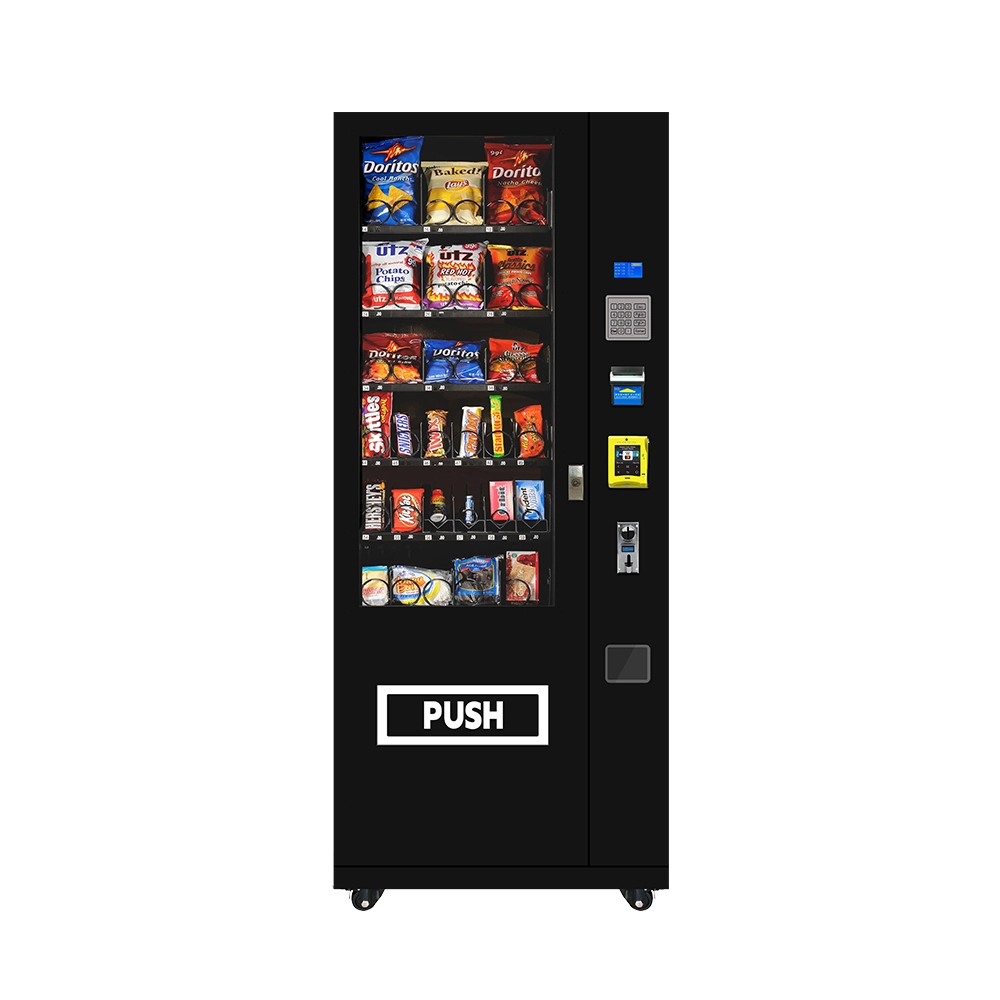
Introducing the IMT 36 Slot Small Screen Metal Keypad Drink Vending Machine. Perfect for any environment, this durable and reliable vending solution provides optimum access to beverages. Explore our range of vending machines for sale, designed to increase convenience and efficiency while improving your customers' refreshment options.

Discover the IMT 60 Slot 7.1" Screen Refrigerated Drink Snack Vending Machine, a top choice among snack vending machines for sale and drink vending machines for sale. This state-of-the-art machine offers an enhanced user experience, ensuring your business attracts more customers with every purchase.
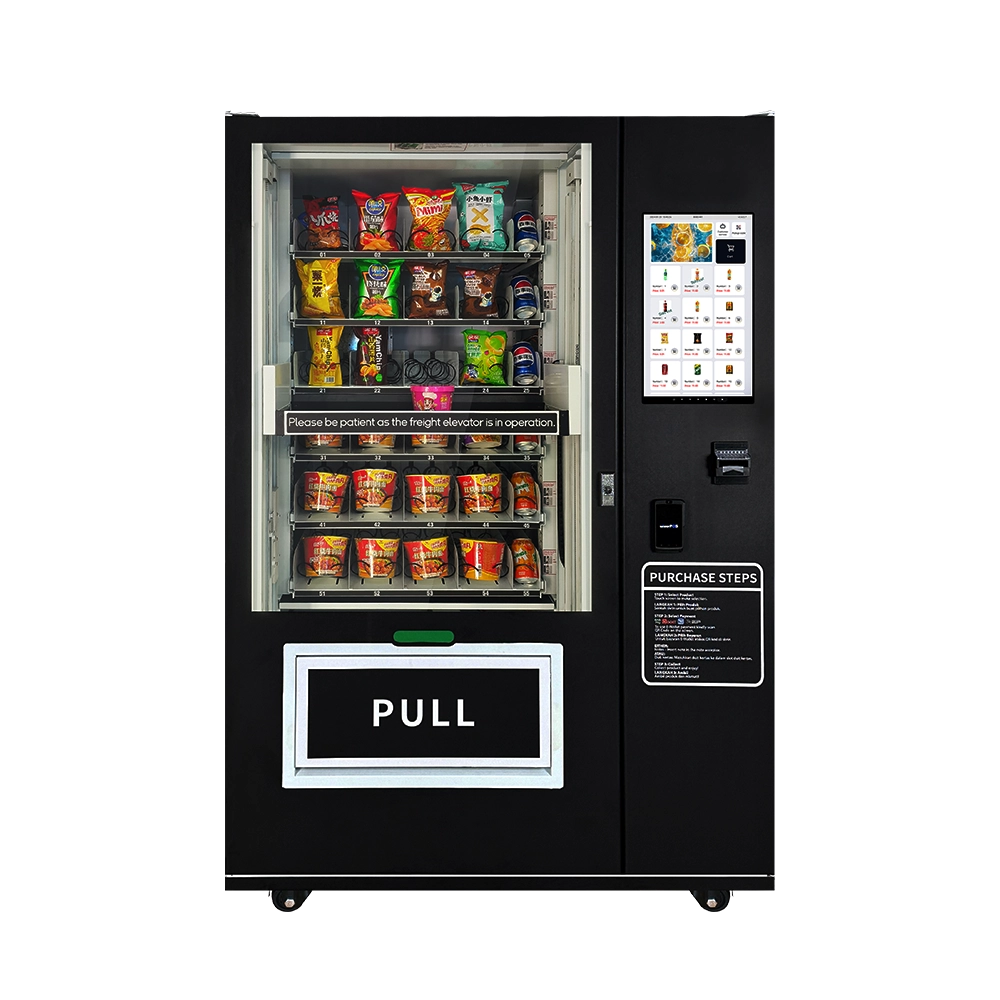
Discover the IMT 60-slot refrigerated drink and snack vending machine. Equipped with a gentle elevator delivery system that ensures product integrity, it allows you to confidently sell a wider variety of goods, including fragile items. Perfect for any location, this machine combines an interactive 21.5-inch display with reliable technology. Explore our advanced touch screen vending machines for sale today and transform your business!
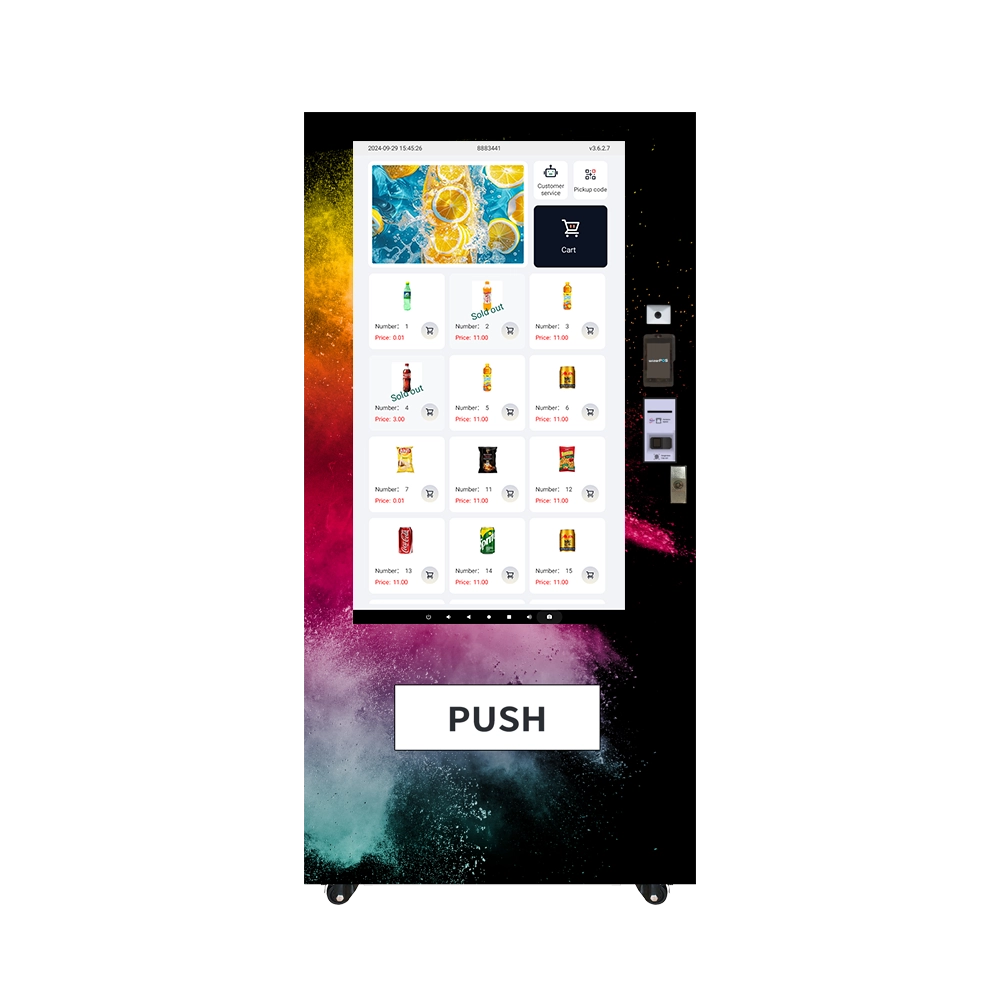
Discover the IMT 60-Slot 55-inch Screen Vending Machine for refrigerated drinks and snacks. Perfect for businesses, this machine keeps products chilled and visible on its large interactive screen. Available for sale now, it's your ultimate solution for convenience and efficiency.
IMT, one of China's leading manufacturers of retail equipment.
IMT is a government-supported, high-tech, and specialized innovative enterprise that integrates system R&D, production, sales, and after-sales service.
© 2026 imt. All Rights Reserved.
FOLLOW US:

IMT vending Machine
IMT vending Machine
IMT Vending Machine
IMT Vending Machine
IMT vending machine
Carey IMT