

How to Maintain an Ice Vending Machine: A Practical Checklist
Learn how to maintain an ice vending machine with practical tips on cleaning, water filtration, routine inspections, troubleshooting, and preventive maintenance. Discover how proper servicing helps maintain ice quality, reduce downtime, control operating costs, and support reliable commercial ice vending operations.
- Ice Vending Machine Maintenance: Cleaning and Service Checklist
- 1. Why Is Regular Ice Vending Machine Maintenance Important?
- Maintain Ice Quality and Hygiene
- Reduce Unexpected Downtime
- Protect Equipment Performance
- Control Operating Costs
- 2. Daily Ice Vending Machine Inspection Checklist
- Check the Exterior and Customer Interface
- Inspect the Ice Dispensing Area
- Check for Water Leaks
- Review Machine Status and Alerts
- 3. Water Filtration and Filter Replacement
- Follow the Recommended Filter Replacement Schedule
- Inspect Water Flow and Connections
- Understand the Limits of Filtration
- 4. Cleaning and Sanitation Procedures
- Clean Accessible External Surfaces
- Clean Product-Contact Components
- Inspect Storage and Dispensing Areas
- Keep Cleaning Records
- 5. Preventive Maintenance for Mechanical and Electrical Components
- Inspect the Ice Production System
- Check Refrigeration and Ventilation
- Inspect Automatic Bagging and Dispensing
- Check Electrical Components Safely
- 6. Common Ice Vending Machine Problems and Troubleshooting
- Problem 1: The Machine Produces Less Ice Than Expected
- Problem 2: The Machine Is Not Dispensing Ice
- Problem 3: Water Is Leaking Around the Machine
- Problem 4: Payment or Touchscreen Errors
- Problem 5: Unusual Noise or Repeated Shutdowns
- 7. How Often Should an Ice Vending Machine Be Serviced?
- 8. Outdoor Ice Vending Machine Maintenance
- Keep Ventilation Areas Clear
- Inspect Weather Protection
- Monitor Drainage
- Prepare for Seasonal Demand
- 9. How Remote Monitoring Can Support Maintenance
- 10. How to Choose an Ice Vending Machine That Is Easy to Maintain
- Access to Serviceable Components
- Clear Maintenance Documentation
- Spare Parts Availability
- Technical Support
- Suitable Configuration
- 11. Ice Vending Machine Maintenance Checklist for Operators
- Daily Checks
- Scheduled Cleaning and Service
- Before Peak Season
- Frequently Asked Questions
- How often should an ice vending machine be cleaned?
- How often should ice machine filters be replaced?
- What causes an ice vending machine to produce less ice?
- Can I maintain an ice vending machine myself?
- Does remote monitoring eliminate the need for maintenance?
- What should I ask a supplier about maintenance before buying?
- Where can I find an ice vending machine for my business?
- Conclusion
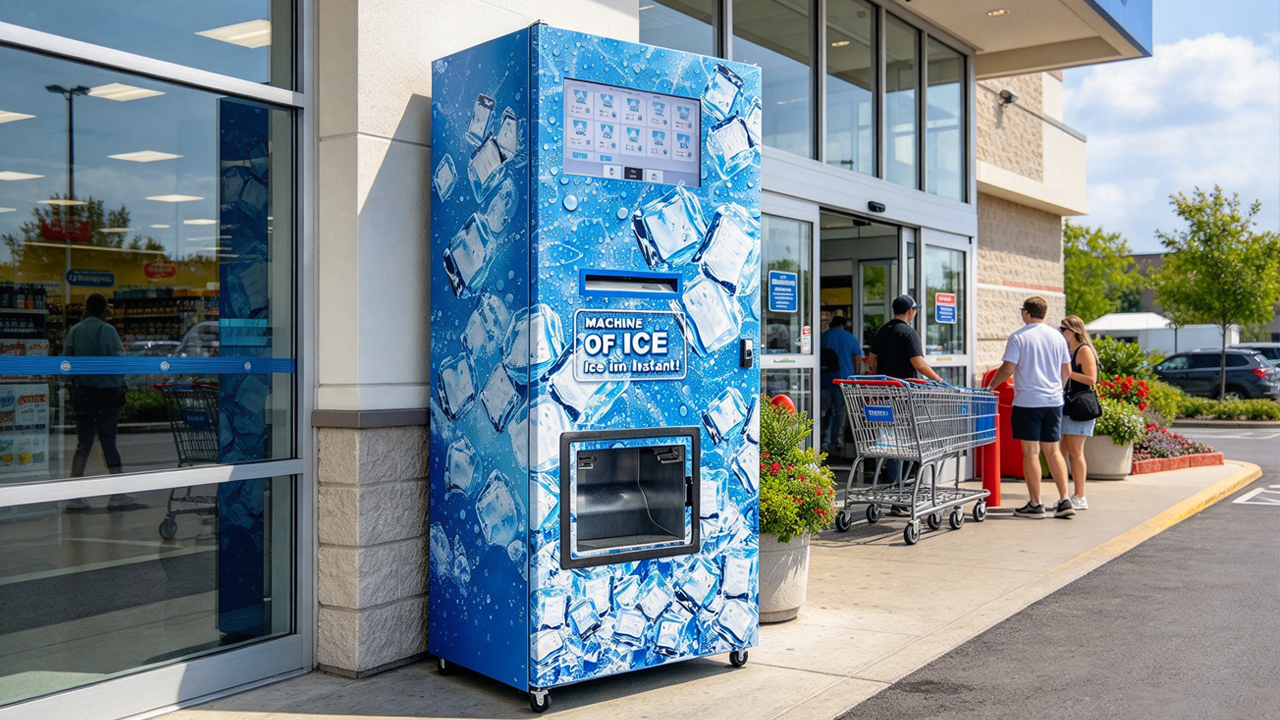
Ice Vending Machine Maintenance: Cleaning and Service Checklist
An ice vending machine provides a convenient way for businesses to sell ice to customers at gas stations, convenience stores, campgrounds, marinas, and other high-traffic locations. However, reliable operation requires more than installing the equipment and collecting payments. Regular cleaning, water filtration, equipment inspections, and preventive maintenance are essential for maintaining ice quality and reducing unexpected downtime.
For vending operators, distributors, and business owners, a well-planned maintenance routine can help protect equipment performance, improve the customer experience, and control long-term operating costs.
This guide explains how to maintain an ice vending machine, which components require regular attention, how to identify common problems, and what to ask your manufacturer before purchasing commercial ice vending equipment.
1. Why Is Regular Ice Vending Machine Maintenance Important?
Commercial ice vending machines combine multiple systems, including ice production, water filtration, storage, dispensing, and sometimes automatic bagging and remote monitoring. Each component has different maintenance requirements.
Regular maintenance helps operators address several important business needs.
Maintain Ice Quality and Hygiene
Ice intended for consumption must be produced, stored, handled, and dispensed under appropriate sanitary conditions. Water quality, clean product-contact surfaces, proper drainage, and suitable storage conditions all contribute to the overall hygiene of the system.
A filtration system is an important part of water treatment, but it does not replace routine cleaning, sanitation, or required water-quality checks.
Reduce Unexpected Downtime
A blocked filter, water supply problem, malfunctioning sensor, or dispensing issue may interrupt sales. Regular inspections can help identify developing problems before they lead to prolonged downtime.
Protect Equipment Performance
Cleaning and servicing components according to the manufacturer's instructions can help maintain the performance of the ice maker, refrigeration system, water supply, and dispensing mechanism.
Control Operating Costs
Preventive maintenance may help reduce emergency service calls, avoid unnecessary component replacement, and improve maintenance planning. Actual savings depend on the machine, operating environment, water quality, and usage.
2. Daily Ice Vending Machine Inspection Checklist
Daily inspections help operators identify visible problems and confirm that the machine is ready for customer use.
The following checklist can be adapted to the equipment manufacturer's instructions and the operating conditions of each location.
Check the Exterior and Customer Interface
Inspect the machine's exterior, touchscreen, payment interface, and pickup area.
Look for visible damage, dirt, water accumulation, loose panels, or signs of vandalism. Confirm that the customer interface responds normally and that the machine displays no unresolved warnings.
Clean external surfaces using products suitable for the materials and electronic components. Never spray liquids directly into payment terminals, touchscreen openings, or electrical enclosures.
Inspect the Ice Dispensing Area
Check the dispensing opening, pickup door, and accessible product-contact surfaces for visible contamination, unusual odors, or residue.
Remove debris using the cleaning method specified by the manufacturer. If the machine has an automatic pickup door, confirm that it opens and closes correctly during an approved functional check.
Do not reach into moving mechanisms or bypass safety interlocks.
Check for Water Leaks
Inspect accessible water connections, hoses, drainage areas, and the floor around the machine.
Look for standing water, unusual moisture, damaged hoses, or signs of leakage. Water accumulation may indicate a drainage issue, a connection problem, or condensation that requires investigation.
If a leak could affect electrical components, stop using the affected equipment and arrange a qualified inspection.
Review Machine Status and Alerts
If remote monitoring is available, review the equipment status and any alerts reported by the system.
Check for unusual temperature readings, production interruptions, payment errors, or other warnings supported by the installed software.
Record recurring alerts rather than repeatedly clearing them without investigating the cause.
3. Water Filtration and Filter Replacement
Water filtration is a key consideration for commercial ice vending operations. The correct maintenance schedule depends on the filter design, incoming water quality, production volume, and manufacturer recommendations.
Follow the Recommended Filter Replacement Schedule
Filter cartridges have defined service requirements. Replacing them too late may reduce filtration performance or restrict water flow, while replacing them too early may increase operating expenses unnecessarily.
Ask your supplier to provide:
-
The filter types and specifications used by the machine
-
The recommended replacement interval
-
Any maximum service-life or capacity limits
-
Instructions for replacing and flushing filters
-
Guidance on monitoring incoming water quality
Replacement intervals should follow the manufacturer's instructions and any applicable water-quality requirements.
Inspect Water Flow and Connections
Reduced water flow can affect machine performance. Inspect accessible connections for kinks, leaks, blockages, or other visible issues.
If water flow changes unexpectedly, check the permitted troubleshooting procedures before replacing components.
Understand the Limits of Filtration
Different filtration technologies address different water-quality concerns. Do not assume that a particular number of filtration stages guarantees the removal of every contaminant.
Confirm what the system is designed to reduce, review the supporting technical documentation, and test the water when required by local regulations or the intended application.
For operators installing equipment in a new market, local water conditions should be evaluated before selecting a filtration configuration.
4. Cleaning and Sanitation Procedures
Cleaning and sanitation should follow the machine manufacturer's approved procedures and applicable local food-safety requirements.
The required frequency depends on equipment design, usage, environmental conditions, water quality, and regulatory obligations.
Clean Accessible External Surfaces
Clean the touchscreen surround, machine exterior, payment-area surfaces, and customer pickup area as appropriate.
Use approved cleaning products and follow their instructions. Avoid abrasive materials or excessive moisture around electronic components.
Clean Product-Contact Components
Components that come into contact with ice or water require particular attention.
Depending on the machine design, these may include accessible ice-contact surfaces, storage areas, dispensing chutes, and packaging mechanisms.
Follow the manufacturer's instructions for disassembly, cleaning, rinsing, and sanitation. Only use products approved for the intended surfaces and food-contact applications.
Never assume that cleaning the exterior is sufficient to maintain the hygiene of the internal ice-handling system.
Inspect Storage and Dispensing Areas
Check for visible residue, unusual odors, foreign material, or moisture accumulation.
If contamination is suspected, stop dispensing ice until the issue has been assessed and the affected components have been properly cleaned and sanitized.
Do not sell ice that may have been exposed to contamination.
Keep Cleaning Records
A simple maintenance log can help operators track cleaning dates, filter changes, inspections, reported problems, and corrective actions.
For businesses managing multiple machines, consistent records make it easier to identify recurring problems and confirm that required maintenance has been completed.
5. Preventive Maintenance for Mechanical and Electrical Components
Preventive maintenance helps identify wear, damage, and developing equipment problems before they interrupt normal operation.
The exact service tasks depend on the machine model. Operators should perform only tasks authorized by the manufacturer.
Inspect the Ice Production System
Check for abnormal noises, repeated production interruptions, unusual operating conditions, or system warnings.
Ice production may be affected by ambient temperature, water temperature, airflow, condenser condition, water supply, and other operating factors.
If production drops below the expected level, compare actual conditions with the manufacturer's rated operating conditions before assuming that a component has failed.
Check Refrigeration and Ventilation
Ensure that the machine's ventilation openings remain clear and that the equipment has the required installation clearances.
Dust, debris, restricted airflow, or unsuitable ambient conditions may affect cooling performance.
Refrigeration-system repairs should be handled by appropriately qualified technicians. Do not open or service refrigerant circuits unless authorized and legally qualified to do so.
Inspect Automatic Bagging and Dispensing
For machines equipped with automatic packaging, inspect accessible bag supplies, dispensing components, and sensors according to the service instructions.
Check for packaging jams, incomplete dispensing, damaged bags, or recurring errors.
Do not reach into moving components while the machine is operating. Isolate power and follow the manufacturer's safety procedure before performing any maintenance that requires access to hazardous areas.
Check Electrical Components Safely
Look for visible damage to accessible cables, connectors, or external electrical enclosures.
Do not open energized electrical cabinets or attempt repairs without the necessary qualifications.
If you notice burning odors, damaged wiring, repeated electrical faults, or water near electrical components, stop operation where safe and arrange a qualified inspection.
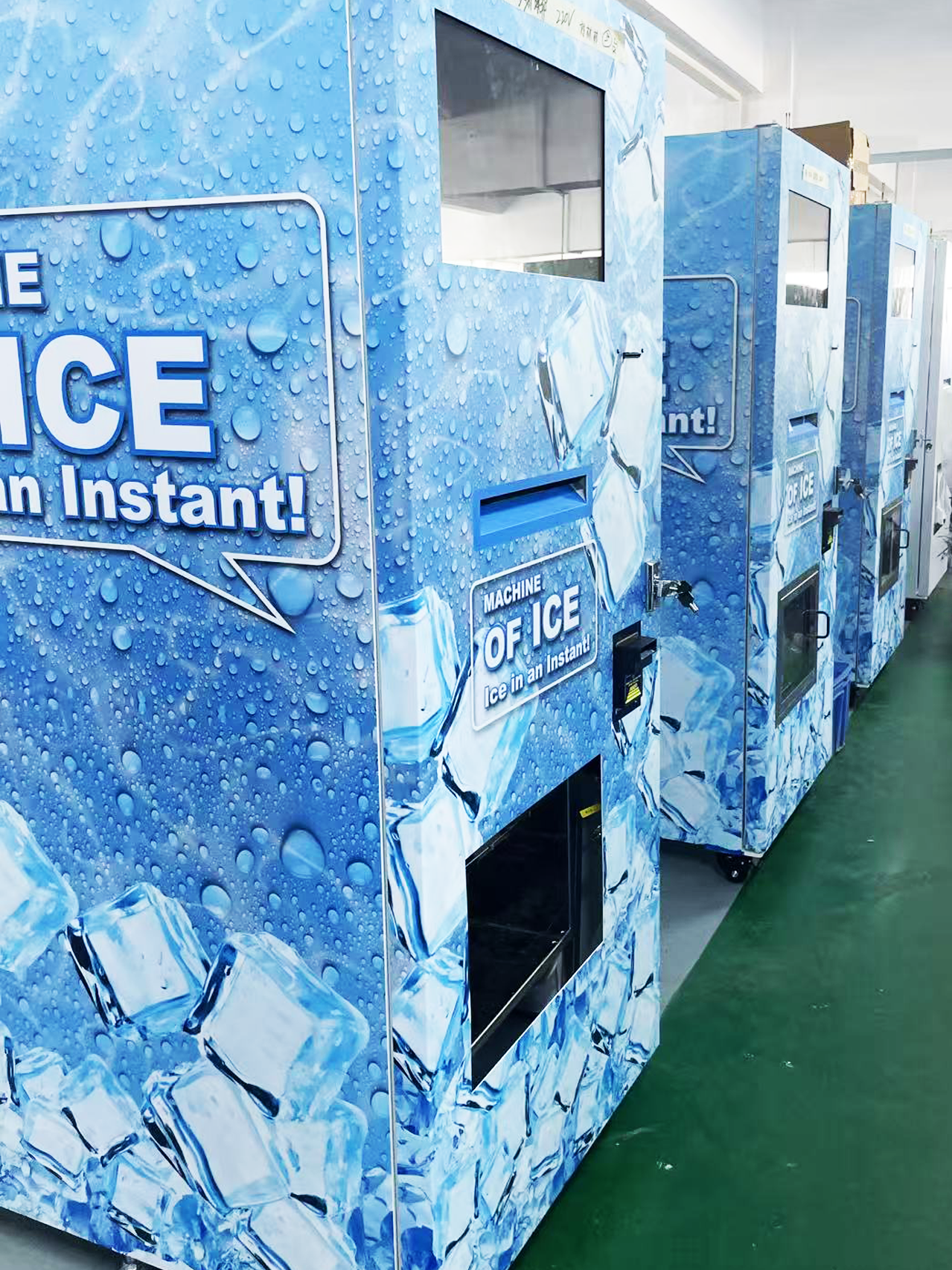
6. Common Ice Vending Machine Problems and Troubleshooting
Understanding common symptoms can help operators decide when a simple inspection is appropriate and when professional service is needed.
Problem 1: The Machine Produces Less Ice Than Expected
Possible causes include unsuitable ambient conditions, restricted water flow, a filter requiring service, blocked ventilation, or an equipment fault.
What to do:
-
Check whether the machine is operating within its specified environmental conditions.
-
Inspect the water supply and accessible connections.
-
Review filter service records and machine alerts.
-
Check ventilation openings for visible obstructions.
-
Contact technical support if production does not recover.
Compare actual production with the manufacturer's rated capacity under comparable operating conditions.
Problem 2: The Machine Is Not Dispensing Ice
Possible causes include an empty storage area, a dispensing mechanism issue, a sensor problem, a payment error, or a safety interlock.
What to do:
-
Review the displayed error message.
-
Check the storage or inventory status if the machine provides that information.
-
Confirm that the payment transaction was completed correctly.
-
Follow the manufacturer's approved troubleshooting instructions.
-
Arrange service if the mechanism remains unresponsive.
Never force a pickup door or manually override a safety device.
Problem 3: Water Is Leaking Around the Machine
Possible causes include loose connections, damaged hoses, drainage problems, or condensation.
What to do:
-
Identify whether the water appears to come from a supply connection, drainage area, or another accessible location.
-
Check for visible damage without opening sealed equipment.
-
Protect the area from slip hazards.
-
Stop operation if the leak may affect electrical safety or ice hygiene.
-
Arrange qualified service if the source cannot be safely identified.
Problem 4: Payment or Touchscreen Errors
Possible causes include network interruptions, payment-terminal issues, software errors, or damaged components.
What to do:
-
Record the displayed error and the time it occurred.
-
Check the network connection if the manufacturer provides an approved procedure.
-
Verify whether the issue affects all payment methods or only one.
-
Review remote system alerts where available.
-
Contact the payment provider or machine supplier as appropriate.
Avoid repeatedly restarting the machine without documenting persistent faults.
Problem 5: Unusual Noise or Repeated Shutdowns
Unusual noise or repeated shutdowns may indicate restricted airflow, a mechanical problem, or a refrigeration or electrical fault.
Stop the machine if there are signs of overheating, burning odors, severe vibration, or another safety concern. Have a qualified technician inspect the equipment before returning it to service.
7. How Often Should an Ice Vending Machine Be Serviced?
There is no universal maintenance schedule for every ice vending machine. Cleaning, inspection, filter replacement, and professional servicing should follow the specific equipment manual and applicable local requirements.
A practical planning framework is shown below.
| Maintenance task | Suggested planning approach |
|---|---|
| Exterior and visible condition checks | Daily or according to operating procedures |
| Review of equipment alerts | Daily when monitoring is available |
| Inspection of dispensing and pickup areas | Daily, with cleaning as needed |
| Cleaning and sanitation | According to the manufacturer and applicable regulations |
| Water filter replacement | According to filter specifications and service-life limits |
| Ventilation and accessible component inspection | At the interval specified by the manufacturer |
| Mechanical and electrical servicing | According to the service manual and qualified technician recommendations |
| Review of maintenance records | Regularly, especially when managing multiple locations |
This table is a planning aid, not a substitute for the manufacturer's maintenance schedule. Some tasks may require more frequent attention depending on water quality, climate, usage, or local regulations.
8. Outdoor Ice Vending Machine Maintenance
Outdoor installations may face additional operating challenges, including high temperatures, rain, dust, humidity, insects, and seasonal changes.
Before installing an outdoor machine, confirm that the model is rated for the intended environmental conditions.
Keep Ventilation Areas Clear
Check that ventilation openings are free from leaves, dust, packaging materials, and other obstructions.
Inspect Weather Protection
Check accessible exterior seals, panels, and protective covers for visible damage. Report problems that could allow water to enter sensitive equipment areas.
Monitor Drainage
Ensure that drainage arrangements remain clear and that water does not accumulate around the foundation or electrical connections.
Prepare for Seasonal Demand
Demand may change with local weather, holidays, tourism, and recreational activity.
Before peak season, review the maintenance log, check consumable supplies, confirm spare parts availability, and arrange any required preventive service.
During quieter periods, continue following the manufacturer's instructions for cleaning, operation, and shutdown. Do not assume that an unused machine requires no maintenance.
9. How Remote Monitoring Can Support Maintenance
For operators managing multiple ice vending machines, remote monitoring can improve visibility into equipment status and help prioritize service tasks.
Depending on the installed system, monitoring functions may include:
-
Equipment status
-
Sales information
-
Inventory or production indicators
-
Error notifications
-
Maintenance alerts
-
Remote configuration options
These functions can help operators identify unusual activity and plan site visits more efficiently.
However, remote monitoring does not replace physical inspections, cleaning, sanitation, or qualified technical servicing.
Before purchasing a machine, ask whether monitoring is included, which functions are available, whether an ongoing service fee applies, and whether the system supports your intended network and operating region.
10. How to Choose an Ice Vending Machine That Is Easy to Maintain
Maintenance requirements should be considered before purchasing equipment, not only after installation.
When comparing commercial ice vending machines, review the following factors.
Access to Serviceable Components
Ask whether filters, dispensing mechanisms, and other routine service components can be accessed safely and conveniently.
Clear Maintenance Documentation
Request the operation manual, cleaning instructions, troubleshooting guide, and recommended maintenance schedule before confirming an order.
Spare Parts Availability
Confirm which consumables and replacement parts are needed, how they can be ordered, and the expected supply arrangements for your market.
Technical Support
Ask how technical support is provided, what information the service team needs to diagnose a problem, and whether remote assistance or local service arrangements are available.
Suitable Configuration
The machine should match your expected sales volume, site conditions, utility availability, and maintenance capabilities.
If you are comparing equipment for a new project, review the IMT commercial ice vending machine to explore the available product features and discuss your requirements with the manufacturer.
11. Ice Vending Machine Maintenance Checklist for Operators
Use the following checklist as a starting point and adapt it to your model's operating manual.
Daily Checks
-
Inspect the exterior and customer interface.
-
Check the dispensing and pickup area for visible contamination.
-
Look for water leaks or unusual moisture.
-
Review machine status and alerts.
-
Record unusual noises, errors, or operating interruptions.
Scheduled Cleaning and Service
-
Clean and sanitize the machine according to approved procedures.
-
Inspect accessible water connections and drainage.
-
Replace filters according to the specified schedule.
-
Inspect ventilation openings and accessible components.
-
Check automatic bagging and dispensing functions where fitted.
-
Arrange qualified servicing when required.
-
Record completed work and any replacement parts.
Before Peak Season
-
Review the maintenance history.
-
Confirm that required filters and spare parts are available.
-
Check the site's water, drainage, and electrical arrangements.
-
Resolve recurring faults before demand increases.
-
Confirm the supplier's technical support arrangements.
Keeping a consistent maintenance record can help operators manage multiple machines and identify problems that repeatedly affect performance.
Frequently Asked Questions
How often should an ice vending machine be cleaned?
The cleaning and sanitation frequency depends on the machine design, usage, water quality, and local food-safety requirements. Follow the manufacturer's instructions and applicable regulations.
How often should ice machine filters be replaced?
Filter replacement intervals depend on the filter specification, water quality, production volume, and rated service life. Follow the manufacturer's instructions rather than using one interval for every installation.
What causes an ice vending machine to produce less ice?
Possible causes include unsuitable ambient conditions, restricted water flow, a filter requiring service, blocked ventilation, or an equipment fault. Check the approved troubleshooting steps and contact technical support if the problem persists.
Can I maintain an ice vending machine myself?
Operators can usually perform authorized visual inspections and routine cleaning tasks described in the manual. Electrical repairs, refrigeration work, and other specialized service tasks may require qualified technicians.
Does remote monitoring eliminate the need for maintenance?
No. Remote monitoring may help operators identify alerts and review machine status, but it does not replace physical inspections, cleaning, sanitation, or scheduled servicing.
What should I ask a supplier about maintenance before buying?
Ask for the maintenance schedule, filter specifications, cleaning procedures, spare parts list, warranty terms, technical support arrangements, and training materials for operators.
Where can I find an ice vending machine for my business?
You can review the IMT ice vending machine product page to explore the equipment and contact the manufacturer about the configuration, installation conditions, and maintenance support relevant to your project.
Conclusion
Regular ice vending machine maintenance is important for maintaining ice quality, supporting reliable operation, and managing long-term operating expenses.
By following the manufacturer's cleaning instructions, monitoring water filtration, inspecting dispensing components, reviewing equipment alerts, and keeping maintenance records, operators can build a more consistent maintenance process.
For businesses planning a new installation, maintenance access, spare parts, technical documentation, and supplier support should all be considered during equipment selection.
Explore the IMT ice vending machine to review the available equipment and discuss your commercial ice vending project with the manufacturer.
Blind Box Vending Machine Business: A Complete Guide for New Operators
Best Products to Sell in a Lucky Box Vending Machine
Best Locations for Lucky Box Vending Machines: Where Should You Install One?
Vending Machine Manufacturers in the USA vs. China: How to Choose a Supplier
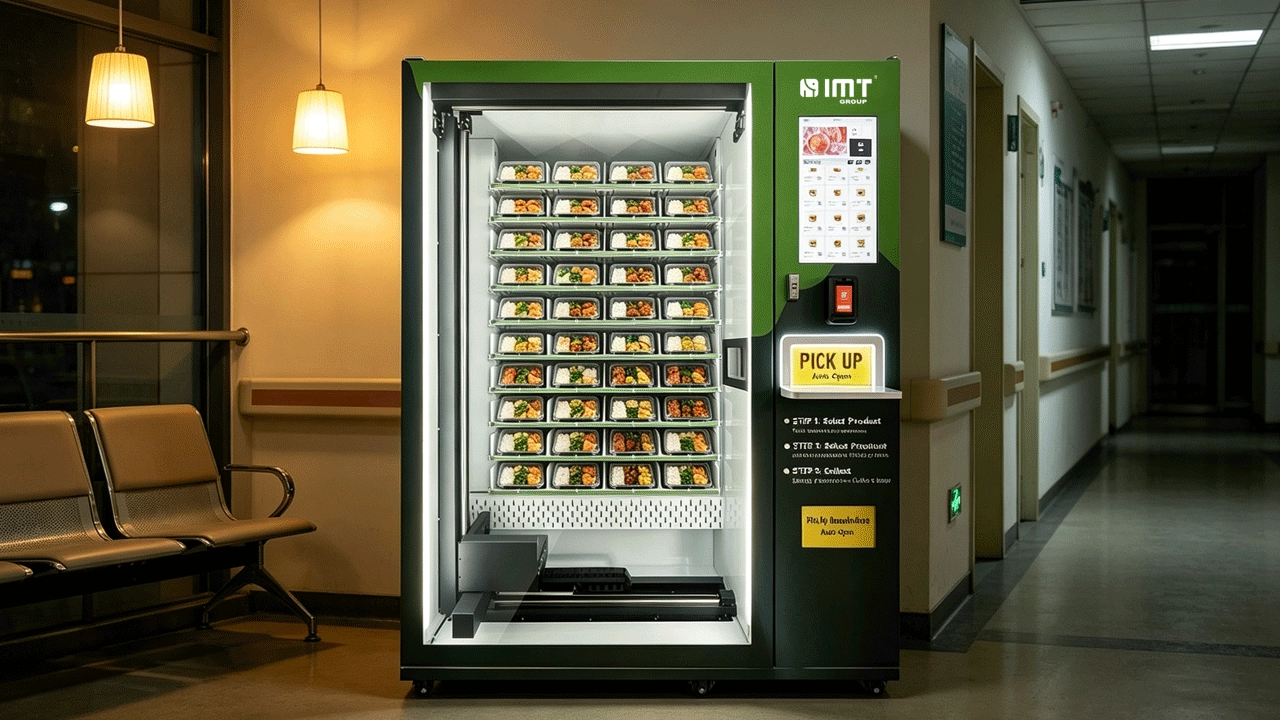
Healthy Food Vending Machine Solutions for Modern Workplaces
For Factory
Where is your factory?
We are located in Guangzhou City, Guangdong Province.Warmly welcome to visit us.
What is the life time of your Vending Machine?
15 years at least.
What is the brand of compressor used in refrigerated vending machines?
We use Embraco,imported from Brazil.
How about the warranty and after-sales services?
The product is guaranteed up to one year from purchased.We have professional after-sales team,About technical problem,our after-sales engineer will reply within 12 hours.
What shall l do if the machine has some problems?
(1) Our engineer will support by video call.
(2) We have operation videos, basic trouble shooting videos so that you can solve it in time.
Learn More About Our Vending Machines
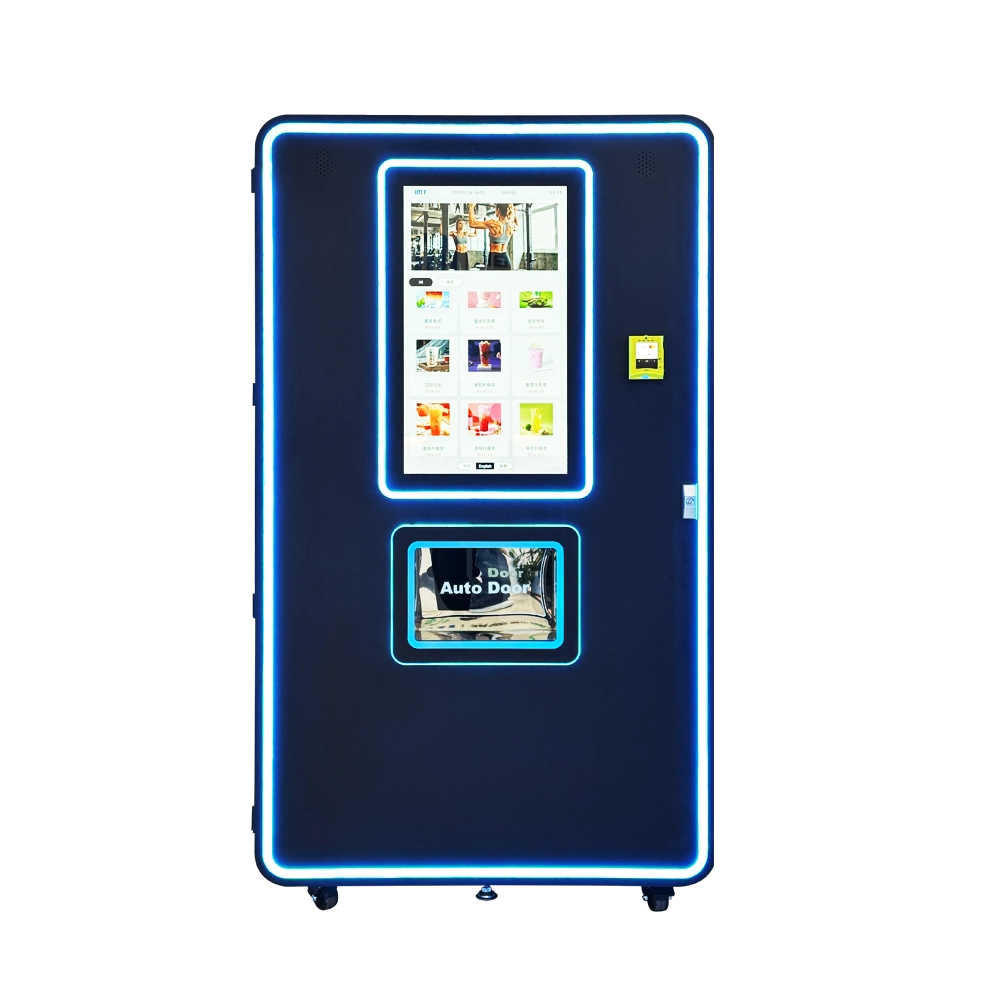
Fuel Your Momentum with IMT Introducing the IMT Milk Tea Vending Machine—your 24/7 source for healthy, on-the-go nutrition. Engineered for high-traffic locations, our advanced milk tea vending machines deliver High Quality, ready-to-drink shakes in seconds. Perfect for gyms, offices, and campuses. Offer convenient, powerful fuel and tap into a growing market. Choose reliability. Choose IMT. Healthy Vending. Powerful Profits.
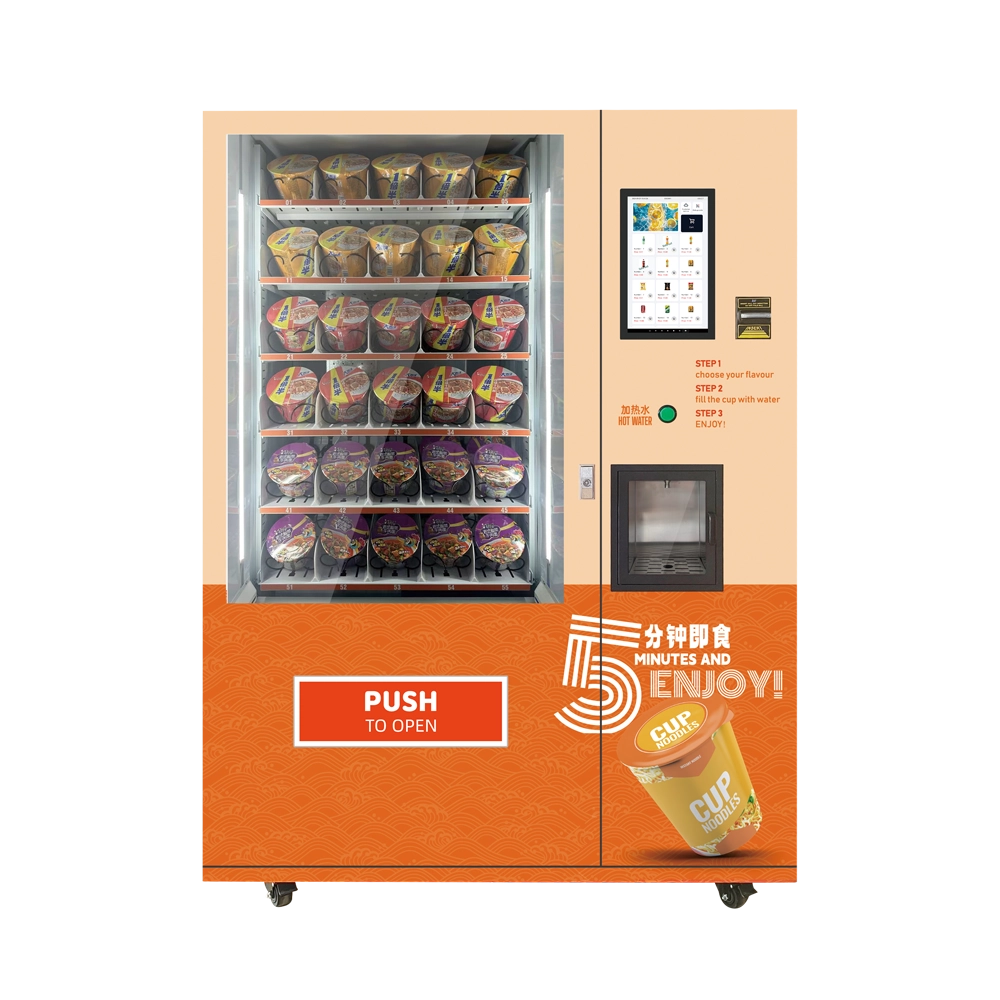
Discover the IMT 15.6-inch vending solution, defining the standard for the modern cup of noodles vending machine. Our Cup Noodle Remen Vending Machine with on-demand hot water dispensing is ideal for hospitals, hotels, schools, zoos, amusement parks, train stations, and similar venues. Contact us today to transform your business with cutting-edge technology and sleek design.


Contact IMT
Start your custom project
If you would like to learn more about the customized options of hardware and software, or have any specific requirements, please feel free to contact us.
IMT will wholeheartedly provide you with personalized solutions to help your business development.
IMT, one of China's leading manufacturers of retail equipment.
IMT is a government-supported, high-tech, and specialized innovative enterprise that integrates system R&D, production, sales, and after-sales service.
© 2026 imt. All Rights Reserved.
FOLLOW US:

IMT vending Machine
IMT vending Machine
IMT Vending Machine
IMT Vending Machine
IMT vending machine
Carey IMT